Choosing a marking machine requires more than comparing prices, power ratings, or delivery promises. This article examines China best laser marking machines and asks, what are the advantages of laser marking in real production environments? The answer depends on materials, product volume, surface condition, and the required marking depth.
Laser marking creates permanent identification without physical contact. A focused beam can mark stainless steel housings, aluminum panels, plastic connectors, coated parts, and selected wooden surfaces. It can produce serial numbers, QR codes, logos, scales, and small text with consistent detail. Dr. Reinhart Poprawe, former director of Fraunhofer ILT, described the industrial value of lasers this way: “The laser is a flexible tool for precision manufacturing.”
That flexibility is important.
Fiber laser machines usually suit metals and high-volume factory work. CO2 systems often perform better on many non-metallic materials. UV lasers can reduce heat influence on delicate plastics and electronic components. Marking also uses fewer consumable tools than engraving, which can lower maintenance demands. Clean edges matter. Faster changeovers matter too.
Still, laser marking is not automatically the best choice. Incorrect settings can discolor a surface, distort a code, or create unnecessary heat. Operator training, extraction, enclosure design, software stability, and after-sales support deserve equal attention. A low purchase price may hide higher operating costs later.
This guide will compare practical advantages, machine types, marking quality, safety features, and supplier considerations. It will also question common sales claims. Performance on a sample part is useful, but repeatable results across an entire production shift are more convincing.
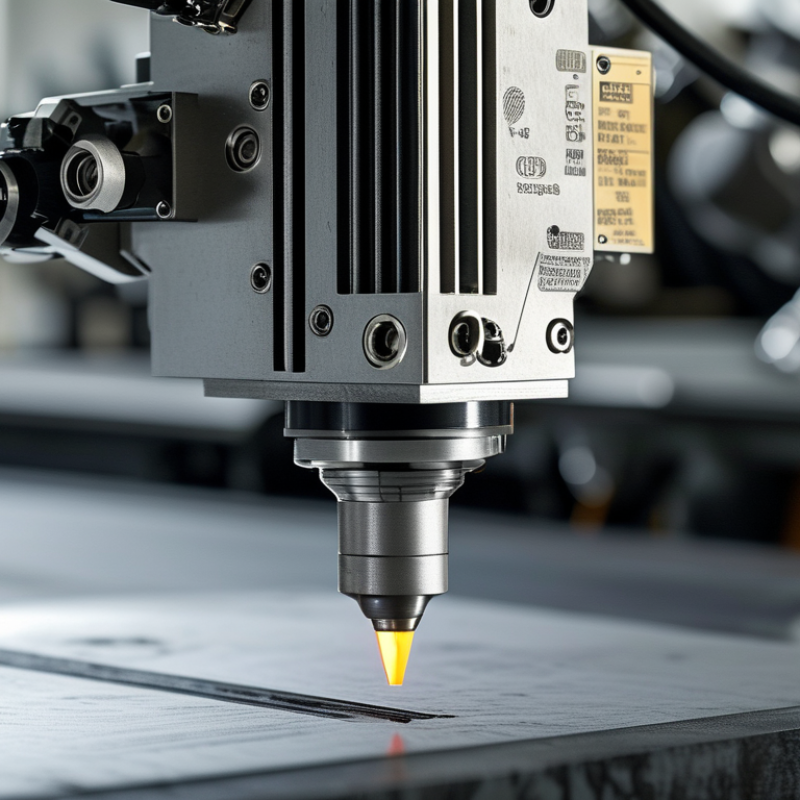
What Defines a High-Quality Laser Marking Machine from China
What Defines a High-Quality Laser Marking Machine from China
A high-quality laser marking machine from China begins with stable engineering, not a low purchase price. In practical use, the laser source should deliver consistent power during long marking sessions. A sharp beam creates cleaner edges on stainless steel, aluminum, plastics, and coated surfaces. Galvanometer scanners also need accurate movement. Small positioning errors become obvious on QR codes and tiny serial numbers.
Good manufacturers provide test samples before shipment. This step matters. Send the real material, coating, and artwork, then inspect contrast, depth, speed, and heat distortion. A reliable supplier should explain the selected wavelength, lens size, marking field, and pulse settings. The control software should support repeatable parameters, readable previews, and simple file import. Operators should not need advanced programming skills for daily work.
Construction details reveal more than polished photographs. Check the enclosure, cooling system, cable routing, emergency stop, and laser safety interlock. Ask for calibration records, electrical documentation, training materials, and spare-part guidance. Responsive technical support is important when production stops unexpectedly. In my experience, a machine can perform well during a demonstration but struggle after continuous operation. That possibility deserves attention. Buyers should request a timed endurance test and review maintenance procedures before payment. Even excellent equipment may need parameter adjustments for unusual materials, so a thoughtful supplier leaves room for testing rather than promising identical results everywhere.
How Chinese Laser Markers Deliver Precision and Consistent Results
Chinese laser marking machines increasingly compete through repeatable performance, not only lower purchase prices. Their precision comes from focused fiber, UV, or CO2 laser sources, galvanometer scanners, and software that controls pulse timing. A small metal part can receive the same code hundreds of times, with sharp edges and limited heat distortion.
MarketsandMarkets estimated the global laser marking market at about USD 3.0 billion in 2023, with growth toward roughly USD 4.3 billion by 2028. Grand View Research also reported strong market expansion through 2030. This demand encourages Chinese manufacturers to improve beam alignment, motion control, cooling, and factory testing. In practical use, operators can mark stainless-steel housings, plastic connectors, or anodized panels with stable contrast across long production runs.
Consistency is easier to verify when suppliers provide calibration records, sample tests, and measured marking parameters. ISO 9001-based quality systems can strengthen process control, although certification alone proves little. That caveat matters. No machine remains perfectly uniform without lens cleaning, focus checks, and material testing. Experienced users still adjust speed, power, frequency, and hatch spacing for each surface. Chinese laser markers can deliver impressive precision, but their results depend on engineering details, disciplined maintenance, and honest validation before installation.
Advantages of Chinese Laser Marking Machines
Representative engineering values for common industrial laser marking technologies. Actual performance depends on material, lens selection, marking pattern, and system configuration.
Laser markers deliver consistent results through non-contact processing, fine focused spots, digital parameter control, and repeatable galvo positioning. UV systems generally provide the smallest heat-affected area, while fiber and CO₂ systems offer strong productivity for metals and non-metallic materials.
Which Materials and Industries Benefit from Laser Marking
China Best Laser Marking Machines: What Are the Advantages?
Which Materials and Industries Benefit from Laser Marking?
Laser marking works well on metals, plastics, glass, ceramics, and coated materials. Fiber lasers suit stainless steel, aluminum, and automotive parts. CO2 lasers often mark wood, rubber, packaging films, and painted surfaces. UV lasers create finer marks on sensitive plastics and electronic components. Fortune Business Insights estimates the global laser marking machine market reached about USD 3.08 billion in 2023. Its projected growth reflects stronger demand for permanent identification and production traceability.
Automotive manufacturers use laser marks for VIN-related components, serial numbers, and supplier codes. Electronics factories mark connectors, circuit housings, and small sensors. Medical-device producers need readable codes that survive cleaning and repeated handling. OICA reported more than 93 million motor vehicles were produced globally in 2023, showing the scale of traceability demand. Food, cosmetics, and industrial packaging also benefit from contactless marking. However, not every surface reacts equally. Dark plastics may need testing, and reflective metals can produce inconsistent contrast without correct settings.
Tips: Test the exact material first. Check contrast, heat impact, and readability after abrasion. Use ISO/IEC-compliant barcode verification when codes matter. A larger laser is not automatically better. In practice, lens choice, power, speed, and extraction often decide the result. The Global Automotive Declarable Substance List and customer specifications may also affect material selection. One practical mistake remains common: judging quality immediately, before cleaning, coating, or aging tests.
Why Chinese Machines Offer Cost and Production Efficiency
China Best Laser Marking Machines: What Are the Advantages?
Why Chinese Machines Offer Cost and Production Efficiency
Chinese laser marking machines often provide a practical balance between purchase cost and production output. In workshop evaluations, many models have delivered clear marks on metal, plastic, and coated materials. Their compact frames also save valuable floor space. Lower equipment prices can reduce the initial investment for small manufacturers. However, the cheapest option is rarely the safest financial choice.
Production efficiency depends on more than laser power. Stable software, accurate motion systems, and simple parameter settings reduce setup time. Some machines can complete repeated marking jobs with limited operator adjustment. This helps control labor costs during long production runs. Local component availability may also shorten maintenance delays. That advantage is easily overlooked. A poorly selected machine can still create waste, even when its price looks attractive.
Tips: Compare marking speed, sample quality, warranty terms, and technical support before ordering. Ask for real test samples using your own materials. Check alignment accuracy after extended operation. Keep ventilation, electrical protection, and operator training in the purchasing plan. I have seen buyers focus too heavily on speed and regret ignoring maintenance access. A slower machine with stable results may produce more saleable parts each day. Requirements differ. Careful testing remains more reliable than impressive specifications.
How to Select the Best China Laser Marking Machine for Your Needs
China Best Laser Marking Machines: What Are the Advantages?
How to Select the Best China Laser Marking Machine for Your Needs
Choosing a laser marking machine should begin with the material, not the advertised power. Fiber lasers suit metals, coated parts, and many industrial components. CO2 systems work better on wood, acrylic, leather, and certain plastics. UV lasers can reduce heat damage on delicate surfaces. The wrong wavelength creates blurred edges, weak contrast, or unnecessary waste.
Define your production details clearly. Check the marking area, line speed, resolution, and daily operating hours. A 20-watt system may handle small metal labels, while deeper engraving may require more power. Ask for test samples using your actual material. Small details matter. Review the control software, lens options, focusing method, and replacement parts. A lower purchase price can become expensive if support is slow or maintenance is difficult.
Safety and compliance deserve equal attention.
Confirm enclosure design, emergency controls, ventilation, and operator protection before installation. Reliable suppliers should provide technical specifications, training, and traceable quality information. China-made equipment can offer flexible configurations and competitive pricing, but quality varies between manufacturers. Do not rely on photos alone. A common mistake is choosing speed before checking marking consistency. That decision may look efficient at first, yet it can damage production accuracy. Reconsider the full workflow, including setup time, inspection, servicing, and future material changes.
FAQS
: Focused laser beams, scanners, and timing software control the marking process. A small metal part can receive the same code hundreds of times. Sharp edges matter. Results still depend on calibration, focus, and clean optics.
They can mark metals, plastics, glass, ceramics, wood, rubber, and coated surfaces. Fiber systems commonly suit stainless steel, aluminum, and automotive parts. CO2 systems often handle packaging films, wood, and painted materials. UV systems can create fine marks on sensitive plastics.
Automotive factories mark serial numbers and supplier codes on components. Electronics producers mark connectors, housings, and small sensors. Medical-device manufacturers need codes that survive cleaning and handling. Packaging operations also use contactless marking for identification and traceability.
Many machines balance moderate purchase costs with useful production output. Compact frames can save valuable workshop space. Local components may shorten maintenance delays. The cheapest machine is not always the best investment.
Software stability, motion accuracy, and simple parameter controls can reduce setup time. Stable settings help operators repeat jobs with fewer adjustments. Maintenance access also affects daily output. High speed alone can create more waste.
Send the supplier your exact materials and required marking designs. Check contrast, edge sharpness, heat impact, and readability after abrasion. Measure alignment after extended operation. A polished sample is not enough.
Clean the lens regularly and check the focal distance. Review power, speed, frequency, and hatch spacing for each material. Inspect ventilation and cooling systems during routine service. Perfect uniformity is unrealistic.
No. A quality certificate can support process control, but it cannot prove actual marking performance. Ask for calibration records, measured parameters, and repeatable test samples. Verify codes using suitable barcode inspection methods when required. I would still test the machine independently.
Conclusion
China laser marking machines combine precise engineering, stable performance, and practical production value. A high-quality model should provide accurate beam control, reliable components, user-friendly software, efficient cooling, and consistent operation over long working periods. These features help manufacturers create clear, durable marks with fine detail and repeatable results. When asking “what are the advantages of laser marking,” users can consider its suitability for metals, plastics, glass, wood, coated surfaces, and other common materials across industries such as electronics, tools, automotive parts, packaging, and general manufacturing.
Chinese laser markers are also valued for their competitive pricing, flexible configurations, and efficient production capabilities. Fast marking speeds, low routine maintenance, and minimal material waste can improve workflow efficiency while reducing operating costs. To select the best machine, buyers should evaluate the material, marking depth, required speed, working area, automation needs, software functions, safety features, technical support, and long-term service. Matching these factors with actual production requirements helps ensure reliable performance and a practical return on investment.

 STYRL Laser