Laser marking has become a popular method for adding markings to various materials. It offers precision and durability, making it ideal for many applications. But what materials can be laser marked? The range is wide and often surprising.
Common materials include metals, plastics, and wood. For instance, stainless steel is a favorite due to its strength and resistance to corrosion. On the other hand, plastics can vary greatly in their laser marking compatibility. Some types may yield excellent results, while others might not work as well. This inconsistency can lead to unexpected challenges.
Understanding the characteristics of materials is crucial. Some surfaces may require pre-treatment, while others are ready for laser marking immediately. Moreover, factors like color and texture influence the outcome. A reflective surface might complicate the process, leading to unsatisfactory results. Exploring these challenges helps in selecting the right materials and optimizing the marking process.
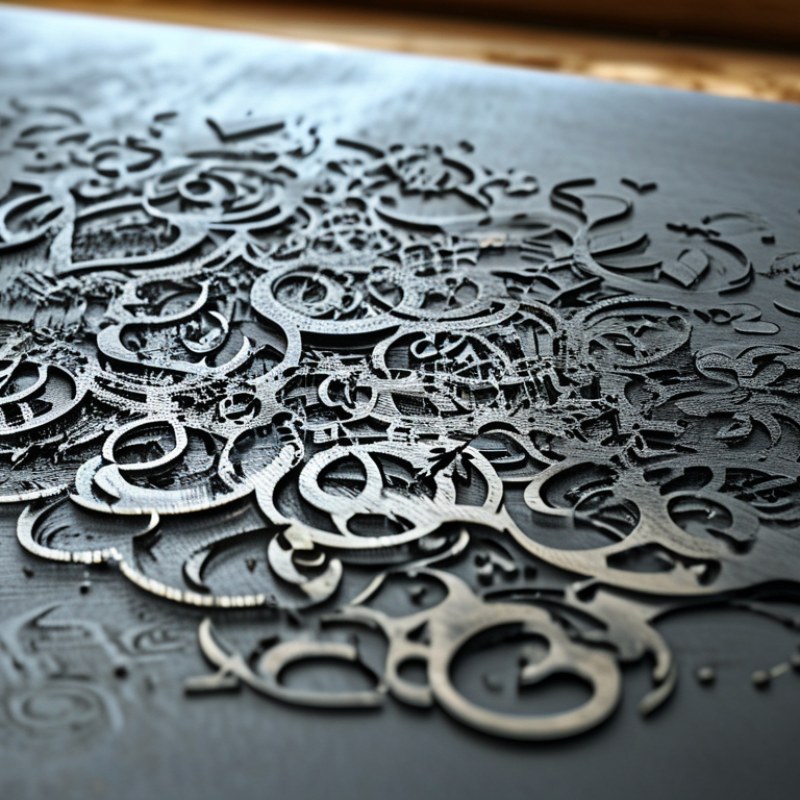
Laser marking technology is widely used across various industries. It employs focused laser beams to make permanent marks on materials. This method excels in precision and versatility. According to a report by Market Research Future, the laser marking market is projected to reach $4.4 billion by 2025. This growth reveals increased adoption in manufacturing and packaging.
Different materials respond uniquely to laser marking. Metals, plastics, and glass are common choices. Each material has distinct laser parameters. For example, metals generally require higher power to enable effective marking. This specificity is vital for maintaining quality and durability. Recent studies indicate that 60% of manufacturers prioritize laser marking for its reliability and speed.
Tip: Always test your material before full-scale production. Variations in surface texture can alter final results. Careful calibration can prevent costly mistakes.
Another area of concern involves the type of laser used. Fiber lasers are best for metals, while CO2 lasers are suited for plastics and wood. Using the wrong type can lead to poor results. Maintenance of lasers is essential too. Regular checks ensure optimal performance, prolonging the lifespan of the equipment.
Tip: Keep a log of settings for different materials. This archive can serve as a reference for future projects and foster continuous improvement.
| Material | Laser Type | Application | Marking Speed (mm/s) | Durability |
|---|---|---|---|---|
| Aluminum | Fiber Laser | Industrial Parts | 500 | High |
| Stainless Steel | CO2 Laser | Tools & Components | 300 | Very High |
| Plastic | Fiber Laser | Electronics | 200 | Medium |
| Ceramics | Green Laser | Artistic Applications | 100 | High |
| Glass | UV Laser | Unique Designs | 50 | Very High |
When it comes to laser marking, the choice of material significantly impacts the quality and effectiveness of the marking process. Suitable materials possess distinct properties that enhance their interaction with laser technology. They should exhibit high absorbance for the specific wavelength of the laser. Metals can absorb laser energy quickly, making them ideal candidates. However, not all metals react the same way. Some might require additional treatments or coatings to improve the marking quality.
Another essential property is the thermal conductivity of the material. Materials with high thermal conductivity, such as aluminum, allow for better heat dissipation. This prevents warping or damage during the marking process. On the other hand, certain plastics may melt or deform under intense heat. This inconsistency can lead to undesirable results. In such cases, reflections from the material surface can distort the laser marking.
Durability is also a critical factor. Materials should withstand environmental influences like moisture and UV light. Such conditions can fade or damage the markings over time. While some materials may be resistant to wear, practical testing often reveals unexpected results. Therefore, considering the entire lifecycle of the marking is crucial for ensuring long-term effectiveness. Evaluate all these aspects, and adapt as needed to achieve the best results in laser marking applications.
Laser marking is a versatile technique, applicable to various materials, including metals, plastics, and ceramics. Each material reacts differently to laser energy, affecting the quality and precision of the marking. Metals like stainless steel or aluminum yield high-contrast marks. They provide durability, making them ideal for tools or parts requiring long-lasting identification.
Plastics, on the other hand, are commonly used in many consumer products. Acrylic and ABS plastics offer good results when marked with a laser. However, achieving the right contrast may require careful adjustment of laser parameters. Some plastics may melt if the power settings are too high, which can lead to uneven results.
Another important material is glass. Lasers can etch intricate designs or logos onto glass surfaces. However, working with glass has its challenges. The fragility of the material requires precision. Too much heat might crack the glass. This reinforces the need for experience when selecting the material and adjusting the laser settings. Understanding these nuances is key to successful laser marking.
When selecting materials for laser marking, several factors play a crucial role. The material's surface type significantly affects the marking process. Laser marking can interact differently with metals, plastics, and ceramics. For instance, metals often yield high-quality marks due to their high absorption rates. According to a report by the Laser Institute of America, nearly 60% of quality issues stem from inappropriate material choice in laser applications.
The thickness and density of the material also matter. Thicker and denser materials may require more power for effective marking. This can lead to potential overheating or unwanted deformation. Inconsistent material properties can lead to varying marking quality. It is essential to consult technical data sheets and consider the laser's specifications. The combination of these factors can define the success of the laser marking process.
Environmental conditions should not be overlooked. Factors like temperature and humidity can impact the quality of laser marking. For instance, higher humidity levels may affect the interaction between the laser and the material. A study from the Journal of Laser Applications highlights that about 30% of failures in laser processes relate to environmental conditions. These insights underline the need for comprehensive analysis in material selection.
In recent years, laser marking technology has evolved significantly. New materials have emerged, catering to diverse applications. Innovations in laser sources open up exciting possibilities for marking metals, plastics, and ceramics effectively. While traditional materials like aluminum and stainless steel remain popular, newer options show promise.
Future trends indicate a shift towards eco-friendly materials. As industries prioritize sustainability, biodegradable options will gain traction. This transformation may challenge existing methodologies, urging manufacturers to adapt. The demand for precision in complex designs grows, amplifying the need for materials that can withstand high energies. While advancements bring opportunities, careful evaluation of material performance remains crucial.
Additionally, integrating artificial intelligence into laser systems might enhance marking precision. AI could predict material behavior under different settings. However, this technology raises questions about reliability and consistency. Companies must carefully assess these tools. Balancing innovation with practical application will be key to successful adoption in the future. Encouraging user feedback will help refine these technologies.
This chart illustrates the popularity of various materials used for laser marking in 2026. Metal leads the list with the highest popularity, followed by plastic and wood, indicating a trend towards versatile and durable materials in the industry.
: Laser marking uses focused laser beams to create permanent marks on various materials.
Common materials include metals, plastics, and glass. Each reacts differently to laser energy.
Metals provide high-contrast marks, while some plastics may melt if settings are too high.
Variations in material texture can cause costly mistakes if not tested before production.
Surface type, thickness, density, and laser specifications are crucial factors to consider.
Temperature and humidity can affect laser interaction, potentially leading to failures in marking.
Fiber lasers work best for metals; CO2 lasers are suitable for plastics and wood.
Maintain lasers regularly, and keep logs of settings for different materials to improve performance.
About 60% of quality issues in marking are due to choosing inappropriate materials.
Experience helps manage unique challenges, especially when working with delicate materials like glass.
Laser marking technology has gained prominence due to its precision and versatility across various industries, such as manufacturing and consumer goods. When considering what materials can be laser marked, it’s essential to understand the properties that make certain materials suitable for this method. Materials such as metals, plastics, glass, and wood are commonly marked because they can effectively absorb the laser energy, leading to high-quality markings.
When selecting materials for laser marking, factors like material composition, surface finish, and intended application play a crucial role. As technology evolves, future trends indicate advancements in laser marking materials and techniques, enhancing capabilities and expanding the range of materials that can be effectively marked. Understanding these aspects is vital for businesses aiming to leverage laser marking for their products and branding.

STYRL Laser