Laser welding is a highly efficient method used in various industries. However, achieving flawless results can be challenging. Many manufacturers frequently encounter defects during the laser welding process. Understanding how to reduce defects in laser welding is essential for improving quality and maintaining cost-effectiveness.
Defects such as porosity, lack of fusion, and undercuts can compromise the integrity of welded structures. These issues can lead to significant production delays and increased costs. Thus, investing time in learning effective strategies is crucial for any organization involved in laser welding.
This article will explore practical tips and techniques that can help in minimizing defects. By adopting best practices, companies can enhance their laser welding processes. This guide aims to provide insight into achieving better results, although every technique may not suit every scenario perfectly. Continuous reflection and adjustment are necessary for improvement.
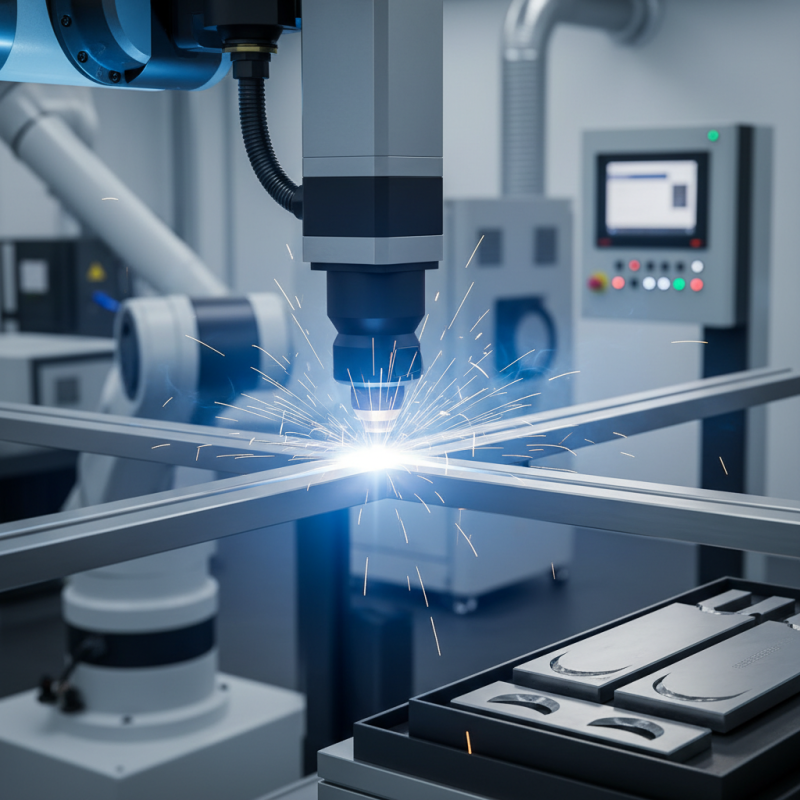
Laser welding is a powerful technique but is not without its challenges. Common defects can include porosity, undercuts, and lack of fusion. Porosity occurs when gas gets trapped in the weld, creating small voids. This defect can weaken the joint significantly, leading to failure under stress. The presence of contaminants, such as oil or dust, often contributes to this issue.
Undercuts are another concern. They appear as grooves along the edges of the weld. This defect is caused by excessive melting of the base material, often due to improper settings. It compromises the strength of the weld and can lead to premature failure. Similarly, lack of fusion results when the weld bead does not adequately bond with the base material. This can happen if the laser power is too low or if the welding speed is too high. Such defects highlight the importance of proper technique and equipment calibration.
In laser welding, imperfections can arise even with careful planning. Operators must continually assess their methods and be open to adjustments. Regular equipment maintenance is essential, yet even with this, unexpected issues might still surface. A mindful approach can help in identifying and mitigating these common defects effectively.
When it comes to laser welding, understanding defect formation is crucial. Several key factors can greatly influence the quality of the weld.
The focus on energy input is significant. Too much or too little energy can lead to issues like undercuts or excessive melting.
For example, settings that are too high may cause a burn-through effect, compromising the overall integrity.
Material properties also play a vital role. The type of metal, its thickness, and surface conditions can affect how effectively the laser penetrates.
An unclean surface can lead to contamination, resulting in porosity and other defects. It's essential to maintain a clean work area
and use appropriate cleaning methods for metals to minimize these risks.
Welding speed is another factor that shouldn’t be overlooked. A welding speed that is too fast can lead to weak welds,
while too slow a speed might introduce excessive heat. Proper calibration of the equipment is key. Operators should regularly check settings and
make adjustments based on real-time observations. Reflecting on past projects can offer insights into what adjustments might improve outcomes
in the future.
Preparation plays a vital role in reducing defects during the laser welding process. Properly cleaned and degreased surfaces can significantly enhance the quality of the weld. Contaminants like oil, dust, or rust may lead to weak joints or incomplete weld penetration. Using appropriate cleaning agents ensures that the materials are ready for welding. Even minor residues can result in major defects.
It is also crucial to ensure the fit-up of materials before welding. Gaps or misalignments can create weak spots in the weld. A precise alignment is essential for achieving uniform heat distribution. Using jigs or fixtures can help maintain this alignment. Welders should also consider the thermal properties of the materials used. Different metals may react differently to heat, leading to unexpected outcomes.
Moreover, it’s important to reflect on the welding environment. The presence of moisture can introduce issues. Humidity can affect the heat absorption of materials. Consistent temperature control is necessary for quality welds. Even small fluctuations can lead to inconsistencies. Overall, careful preparation and attention to detail are critical steps that shouldn't be overlooked.
The following chart illustrates the common factors contributing to defects in the laser welding process and their relative impact. By focusing on these areas, manufacturers can improve their welding practices and reduce the occurrence of defects.
Optimizing laser parameters is crucial for reducing defects in the laser welding process. A key factor is the laser power setting. If the power is too high, excessive heat can cause burn-through or warped joints. Conversely, too low power may not create enough energy to form a solid weld. Conducting tests with different power levels can identify the sweet spot for specific materials and thicknesses.
The speed of the welding movement also plays a vital role. A slow welding speed can lead to overheating, while a fast speed may not allow sufficient fusion. Finding the right balance ensures a clean and strong weld. Adapting the focusing lens is essential too. The focal point should align with the material surface to optimize energy concentration.
Adjusting laser beam shape can also mitigate defects. Different shapes can adapt to various joint designs, improving penetration and reducing inconsistencies. However, some changes might produce unintended results. It's important to analyze any issues that arise during testing. Continuous evaluation of parameters can reveal patterns in defect occurrence, necessitating ongoing adjustment and reflection on technique.
Regular maintenance and calibration of laser equipment are crucial for minimizing defects in the laser welding process. Neglecting this can lead to misaligned beams and inconsistent energy levels. Such issues often result in poor weld quality and increased defects. Setting a routine maintenance schedule is essential. This should include inspecting mirrors, lenses, and other optical components.
Regular calibration checks can help ensure that the laser produces the intended power output. A slight deviation may go unnoticed but can severely impact weld integrity. It's advisable to document all calibration activities. This documentation can serve as a valuable reference over time.
Implementing preventive maintenance can save costs in the long run. Ensure the workspace is clean to prevent contamination. Dust and debris can interfere with the optical path and lead to defects. Occasional audits of the entire system are beneficial. Reflect on your processes regularly to identify areas for improvement.
: Key factors include energy input, material properties, and welding speed. Each plays a vital role.
Too much energy can cause burn-through. Too little energy might create undercuts. Balancing is essential.
The type, thickness, and surface condition of metal affect laser penetration. A clean surface is crucial for avoiding defects.
Contamination can lead to porosity. This compromises the quality of the weld significantly.
A speed too fast can create weak welds. Conversely, a slow speed may introduce excessive heat, leading to defects.
Optimizing parameters reduces defects. Testing varying laser power and speed helps identify ideal settings for specific materials.
High power can cause burn-through. Low power might not produce a solid weld. Finding the right balance is crucial.
Different shapes can improve penetration and reduce defects. However, adjustments need careful evaluation.
Past experiences can provide insights on adjustments needed for improving future welding outcomes.
Regular checks and real-time adjustments can enhance weld quality. Proper calibration is key to successful welding.
The article "2026 Best Tips to Reduce Defects in Laser Welding Process" provides a comprehensive guide on how to reduce defects in laser welding by understanding the common issues that arise during the process. It begins by identifying the typical defects, such as porosity and lack of fusion, and explains the key factors that contribute to their formation, including material properties and environmental conditions.
Furthermore, the article emphasizes the importance of preparing materials properly before welding, which includes surface cleaning and ensuring appropriate fit-up. Optimizing laser parameters, such as power, speed, and focal length, is also critical for minimizing defects. Additionally, regular maintenance and calibration of laser equipment are highlighted as essential practices to maintain consistent performance and enhance weld quality. By following these best practices, welders can effectively reduce defects and improve the reliability of their laser welding processes.

STYRL Laser