In today's competitive landscape, understanding how to improve efficiency in laser manufacturing is crucial. Laser technology has revolutionized various industries, offering precision and speed. However, many manufacturers still face challenges in optimizing their processes. Identifying inefficiencies can often feel like searching for a needle in a haystack, and this complexity requires targeted solutions.
Effective strategies exist to streamline laser manufacturing. These include upgrading equipment, optimizing workflow, and investing in employee training. Nonetheless, implementing these changes can be daunting. It's important to recognize that not every strategy works for every company. Adapting solutions to fit specific needs is essential.
Achieving higher efficiency does not happen overnight. Continuous monitoring and adjustments are necessary. Sometimes, old habits can hinder progress, making it critical to foster a culture of innovation. By prioritizing efficiency, manufacturers can enhance productivity and maintain a competitive edge in the market.
Understanding the Basics of Laser Manufacturing Processes
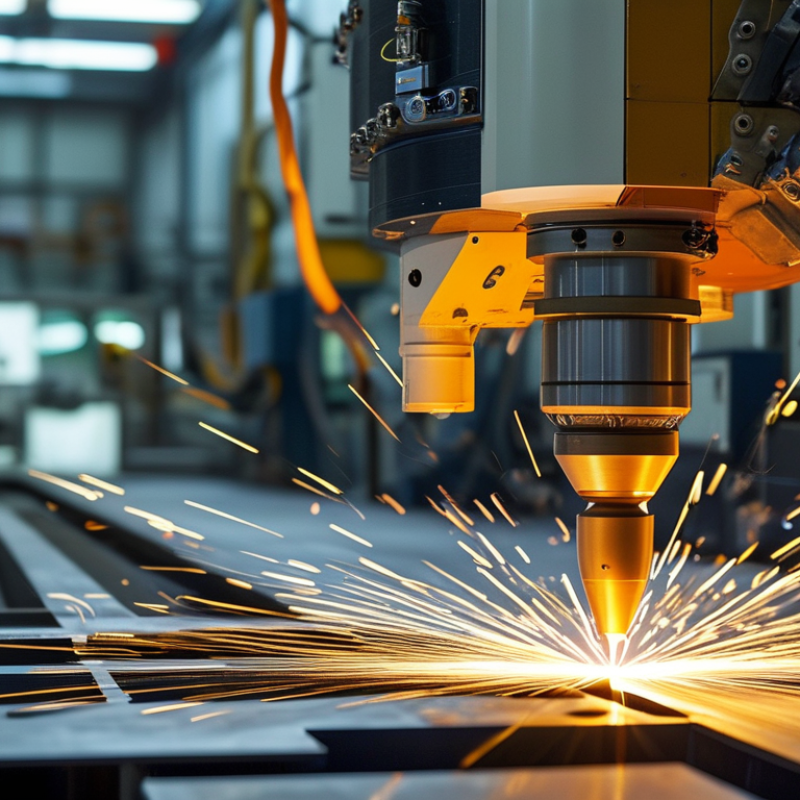
Laser manufacturing processes play a crucial role in modern production. These techniques utilize focused laser beams to cut, engrave, or weld materials with precision.
Understanding the fundamentals is essential for improving productivity. A laser’s wavelength and power determine its effectiveness on different materials. Mastering these aspects can significantly enhance operational efficiency.
Tips: Regular maintenance of laser equipment ensures optimal performance. Check the optics and cooling systems often. A clean lens improves beam quality and reduces errors.
Operators should be adequately trained. This enhances their ability to troubleshoot and adapt during production. Knowledge about materials and laser parameters is vital. Experimenting with different settings can reveal better outcomes. Small adjustments can lead to substantial improvements.
Moreover, it’s important to monitor energy consumption. Efficient use of power not only saves costs but also reduces waste. Consider using software to track these metrics. Balancing laser speed with precision is challenging but necessary. Continuous assessment of these processes is key to ongoing development.
Identifying Key Factors Affecting Efficiency in Laser Manufacturing
When examining efficiency in laser manufacturing, key factors play a crucial role. One significant aspect is the quality of the laser beam itself. A stable, focused beam enhances precision. It allows for faster cuts and reduces wasted material. Regular maintenance ensures the laser's output remains optimal. Skipping maintenance can lead to inconsistencies.
Another factor is the material being processed. Different materials require specific settings for laser parameters. If settings are misaligned, the results can be poor. Inconsistent cuts might emerge, which require rework. Understanding the characteristics of each material can prevent these issues. Training operators on these nuances improves overall output.
Finally, implementing real-time monitoring systems helps in maintaining efficiency. By tracking process variables, manufacturers can quickly identify inefficiencies. However, setting up such systems may require an initial investment. Despite potential challenges, the long-term gains are often worth the effort. Recognizing these areas for improvement can lead to significant enhancements in laser manufacturing processes.
Implementing Advanced Laser Technologies for Enhanced Performance
The advancement of laser technologies has fundamentally transformed manufacturing processes. Reports from industry analysts like Mordor Intelligence indicate that the global laser technology market is projected to reach over $18 billion by 2025, reflecting a growing demand for enhanced performance. Implementing these advanced technologies allows manufacturers to improve precision and reduce material waste.
For instance, by utilizing fiber lasers, companies can achieve cutting speeds that are significantly higher compared to traditional CO2 lasers. This means parts can be manufactured more quickly, decreasing lead times. However, not all manufacturers fully leverage these advancements. Some may hesitate due to initial investment costs or complexity in operation.
Moreover, integrating laser automation can lead to significant efficiency gains. According to a report by MarketsandMarkets, automating laser cutting can enhance productivity by 30%. Nevertheless, workforce training remains a challenge. Some workers may struggle with the transition to automated systems, causing temporary setbacks in production. Continuous improvement and addressing these human factors are essential for maximizing the benefits of advanced laser technologies.
Optimizing Workflow and Process Management in Laser Fabrication
Optimizing workflow and process management in laser fabrication can dramatically increase efficiency. To start, a well-defined workflow helps in minimizing delays. Each stage of the process should be clearly outlined, ensuring that all team members understand their responsibilities. It’s essential to analyze time spent on each task. Identifying bottlenecks can lead to actionable improvements.
**Tip:** Regularly review the workflow. Set aside time for team feedback. This can highlight areas for improvement that may not be visible to management.
Automation plays a pivotal role in laser manufacturing. Automated systems reduce the chances of human error and keep processes consistent. Implementing smart scheduling can ensure machines are used efficiently, minimizing downtime.
**Tip:** Invest in training. Ensure all staff members are proficient in using automation tools. A knowledgeable team can better adapt to new technology.
While optimizing processes, it’s critical to focus on quality. Rushing through tasks can lead to mistakes. Regular quality checks are vital. They maintain product standards without causing significant slowdowns.
**Tip:** Encourage open communication. Team members should feel comfortable reporting issues. This transparency leads to a stronger focus on quality and efficiency.
Efficiency in Laser Manufacturing Processes
This bar chart illustrates the efficiency metrics associated with different laser manufacturing processes. The data covers various operational areas such as laser cutting speed, accuracy, and energy consumption, reflecting how process optimization can improve overall productivity.
Utilizing Continuous Monitoring and Data Analytics for Improvement
In the competitive world of laser manufacturing, continuous monitoring and data analytics play crucial roles in enhancing efficiency. By deploying real-time monitoring systems, manufacturers can track the performance of their laser equipment. This allows for prompt identification of issues that may lead to downtime. Data analytics provides insights into patterns that can inform maintenance schedules and operational adjustments.
Tips: Invest in sensors that offer detailed feedback on laser operations. Regular audits of equipment performance can help identify inefficiencies. Analyze production data to spot trends or anomalies.
Integrating data analytics into manufacturing processes promotes proactive decision-making. With real-time data, operators can make informed adjustments, leading to improved output. Although challenges persist, such as data overload or interpretation complexities, addressing these can greatly enhance operational efficiency.
Tips: Encourage a culture of data utilization within your team. Provide training on analytics tools to empower employees. Regularly review and adapt data management strategies to ensure clarity and relevance.
Conclusion
In the field of laser manufacturing, understanding the foundational principles and processes is crucial for boosting efficiency. Identifying key factors that affect production, such as laser parameters, material properties, and environmental conditions, plays a significant role in optimizing output. To effectively address how to improve efficiency in laser manufacturing, the implementation of advanced laser technologies can enhance performance, reducing cycle times and increasing precision.
Furthermore, optimizing workflow and process management is essential. Streamlined operations not only minimize delays but also ensure better resource utilization. Incorporating continuous monitoring and data analytics provides insights for ongoing improvements, allowing manufacturers to rapidly adapt to changes and maintain high-efficiency standards. Together, these strategies create a comprehensive approach to enhancing effectiveness in laser fabrication processes.

 STYRL Laser