Laser welding technology has emerged as a compelling alternative to traditional welding methods. Renowned expert Dr. John Anderson, a leading figure in advanced manufacturing, emphasizes, “Laser welding offers precision and speed that traditional methods often lack.” This statement raises an important question: can laser welding replace traditional welding methods today?
In various industries, laser welding showcases its potential. Its ability to create strong, clean joints with minimal heat input reduces distortion. It is particularly beneficial in sectors like automotive and aerospace, where precision is critical. However, some challenges remain. Not all applications are suited for laser welding, and the initial investment can be high.
While many industries are leaning towards laser options, the debate continues. As Dr. Anderson notes, “Not every task benefits from a laser solution.” This realization prompts reflection on the nuanced dynamics between traditional welding techniques and innovative laser solutions. Understanding these complexities will be essential for industry stakeholders. The question persists: can laser welding truly replace traditional welding methods?
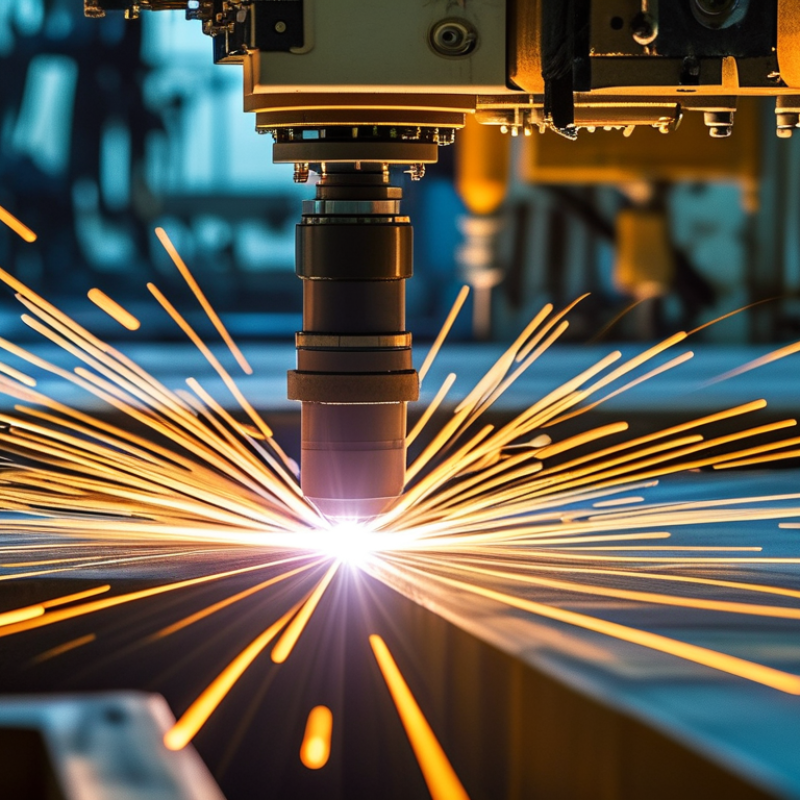
Current Landscape of Welding Technologies
Laser welding has gained significant traction in recent years, emerging as a contender in the welding landscape. This method offers high precision and speed but also poses challenges. It can produce cleaner welds, minimizing the need for post-weld cleanup. However, not every application suits laser welding. Traditional methods still hold value in many industries.
The versatility of welding technologies is fascinating. MIG, TIG, and stick welding remain widely used. Each method has specific strengths. For instance, TIG welding excels in thin materials, while MIG is ideal for speed. The choice of method often depends on the materials and specific project requirements. It's essential to evaluate the trade-offs when deciding which method to employ.
Many welders still prefer traditional techniques due to their reliability. Familiarity and the tactile nature of traditional welding can instill confidence. Yet, the rise of automation and precision in laser welding cannot be dismissed. As technology evolves, we face questions about the future of welding. Balancing innovation with tried-and-true methods will shape the industry ahead.
Overview of Traditional Welding Methods
Traditional welding methods have long served various industries. These techniques include arc welding, MIG welding, and TIG welding. Each method has unique characteristics, strengths, and weaknesses. For instance, arc welding is simple and versatile. It remains popular for heavy-duty applications. However, it can create uneven welds requiring further finishing.
MIG welding is favored for speed. It is commonly used in manufacturing and automotive sectors. Yet, it may not work well on thin materials. TIG welding offers precision and quality. It’s suitable for delicate tasks, like aerospace components. Still, it demands skilled operators. Mistakes can lead to defects that compromise structural integrity.
Each method has its faults. Equipment setup can be time-consuming and costly. Preparation and clean-up can slow down workflows. The need for protective gear adds to the burden of safety. Sometimes, traditional welding generates significant heat, which can warp materials. Understanding these limitations is crucial for informed decision-making in the industry.
Can Laser Welding Replace Traditional Welding Methods Today? - Overview of Traditional Welding Methods
| Welding Method |
Speed (m/min) |
Heat Input (kJ/mm) |
Common Applications |
Cost Effectiveness |
| MIG Welding |
3-10 |
1.5-2.5 |
Automotive, Construction |
Moderate |
| TIG Welding |
1-5 |
0.5-2.0 |
Aerospace, Pipe Welding |
High |
| Stick Welding |
1-3 |
3.0-5.0 |
Construction, Repair |
Low |
| Laser Welding |
10-25 |
0.1-1.0 |
Precision Parts, Medical Devices |
Very High |
Principles and Advantages of Laser Welding
Laser welding has emerged as a significant alternative to traditional welding methods in various industries. Its core principle revolves around focusing a high-intensity laser beam onto materials, producing a concentrated heat source that enables precise melting and fusion. A report by the Laser Institute of America states that laser welding can enhance production speed by up to 30% while providing higher precision due to its narrow heat-affected zone.
One of the primary advantages lies in the minimal distortion of materials. Traditional welding often requires post-weld processing due to warping. In contrast, laser welding's low thermal input significantly reduces this issue. Industry data cites that companies adopting laser welding can reduce material waste by approximately 20%, contributing to more sustainable practices.
Tip for welders: Always ensure optimal laser settings for different materials. Adjusting parameters can lead to better outcomes and minimize rework.
Another benefit is the versatility of laser welding. It can join dissimilar materials, making it valuable in automotive and aerospace sectors. However, challenges remain. The costs associated with laser welding equipment can be prohibitive. Smaller manufacturers may struggle to justify the investment.
Tip for businesses: Evaluate long-term benefits versus initial investment. Sometimes, the savings on waste and efficiency can offset upfront costs.
Comparative Analysis: Laser vs. Traditional Welding
Laser welding has emerged as a modern alternative to traditional welding methods. This technology utilizes high-intensity laser beams to melt and fuse materials. One key advantage of laser welding is precision. It allows for narrow welds with minimal heat-affected zones. Such accuracy can significantly reduce the risk of material distortion.
However, laser welding does have its challenges. The equipment can be expensive, which is a barrier for many small businesses. Additionally, certain materials may not be suitable for this method. Understanding the material properties is crucial for successful laser welding. In cases where strength is a priority, traditional welding techniques might still prevail.
In terms of speed, laser welding often outperforms traditional welds. This can lead to increased productivity. But, operators require specialized training to ensure safety and efficiency. As with any technology, the quality of the output can vary based on experience. Balancing the benefits with the drawbacks is essential for informed decision-making.
Future Prospects and Challenges in Welding Technology
Laser welding presents exciting prospects for the future of manufacturing. This technology offers precision and speed not commonly found in traditional methods. It allows for welding in hard-to-reach areas, which is crucial for complex designs. However, the adoption of laser welding faces notable challenges. Initial costs can be high, leading many manufacturers to hesitate. Training workers to operate new machinery also requires time and investment.
Another consideration is material compatibility. Laser welding works well with certain metals but may not perform as efficiently with others. This variability can affect overall production effectiveness. Companies must carefully assess their material needs before transitioning to laser welding. Additionally, there is the significant learning curve associated with new technology. Existing staff may struggle to adapt, leading to temporary drops in productivity.
As industries move toward more automation, the role of laser welding could grow. However, the balance between efficiency and cost remains delicate. Continuous evaluation and adaptation will be vital as companies explore the full potential of this innovative technology.
Comparison of Welding Methods: Laser Welding vs Traditional Welding
This chart illustrates a comparison between laser welding and traditional welding methods across five significant dimensions: Cost, Speed, Materials, Heat Affected Zone, and Skill Requirement. Each dimension is rated on a scale from 0 to 100, indicating relative performance and efficiency.
FAQS
: The main traditional welding methods are arc welding, MIG welding, and TIG welding. Each has unique characteristics.
MIG welding may not perform well on thin materials. Its speed is a benefit, but there are drawbacks.
TIG welding allows for high-quality welds. It is suitable for delicate tasks, but requires skilled operators to avoid mistakes.
Traditional welding methods can have slow setup times. Equipment costs and safety gear also add to the overall burden.
Laser welding offers precision and speed, which can improve productivity. However, it may require specialized training.
The equipment for laser welding can be expensive. Certain materials may not suit this method, impacting its effectiveness.
Companies must assess material compatibility and employee training needs. Transitioning to new technology can affect productivity.
High initial costs and the need for training create concerns. These factors lead to hesitation in many small businesses.
Traditional welding can generate significant heat, which may warp materials. Care must be taken to mitigate this risk.
The role of laser welding could grow with automation advancements. Balancing efficiency and cost will remain a key concern.
Conclusion
The article "Can Laser Welding Replace Traditional Welding Methods Today?" explores the evolving landscape of welding technologies, highlighting the strengths and weaknesses of both traditional and laser welding methods. Traditional welding techniques, such as MIG and TIG, have long been favored for their reliability and ease of use. However, laser welding presents several advantages, including greater precision, faster processing times, and reduced heat-affected zones, which contribute to improved weld quality.
In a comparative analysis, the article examines when and why laser welding may be more beneficial than traditional methods, particularly in industries that demand high accuracy and efficiency. Looking ahead, the future of welding technology appears promising yet challenging, as advancements in laser technology may shift industry standards. Ultimately, the question remains: can laser welding replace traditional welding methods? The answer involves balancing factors such as cost, required skill levels, and application-specific requirements, suggesting that while laser welding is a strong contender, traditional methods will likely continue to coexist in various applications.

 STYRL Laser