How to Choose the Best Laser Marking Machine for Your Needs?

Time:2026-07-27 Author:Liam
0%

Choosing the right laser marking machine can be a challenge. With so many options, it's crucial to make an informed decision. Expert Ryan Smith, a leading figure in the laser technology field, emphasizes, “Understanding your specific marking needs is essential to select the right machine.” His insight highlights the importance of aligning your choice with your unique requirements.

Laser marking machines serve various industries, from electronics to jewelry. Each application demands different capabilities and features. Evaluating these factors is vital in finding the perfect fit. The process often seems overwhelming, but focusing on specific needs can simplify it. For example, consider the materials you'll mark and the speed required.

Reflection on previous purchases or experiences can guide you. Was it efficient? Did it meet your expectations? Use those reflections to refine your decision. Identifying specific criteria can lead to a clearer understanding of how to choose a laser marking machine that suits your needs.
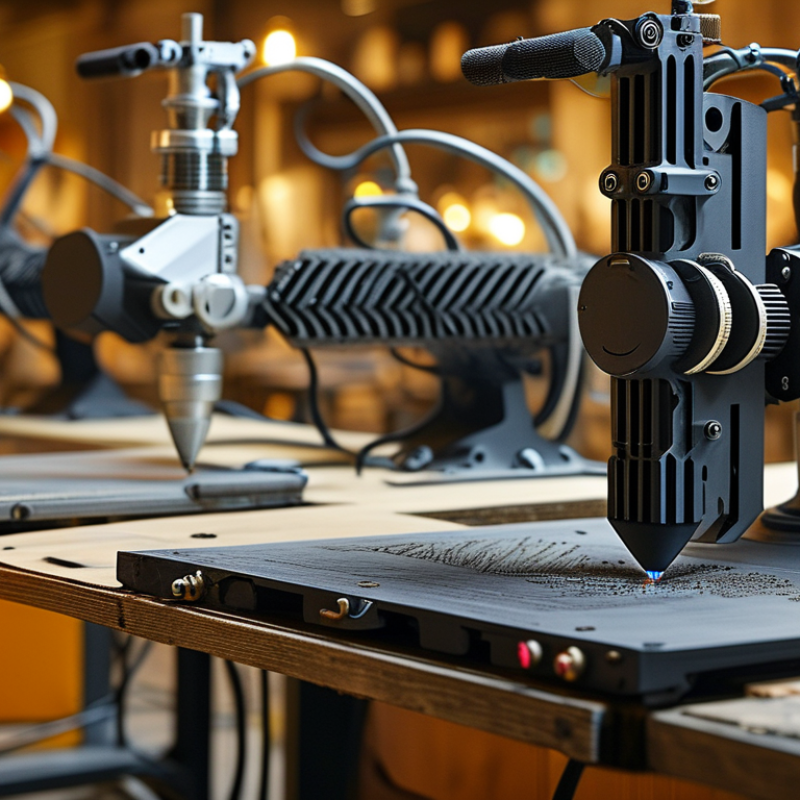
How to Choose the Best Laser Marking Machine for Your Needs?

Understanding Different Types of Laser Marking Machines

When selecting a laser marking machine, understanding the different types is crucial. There are several common types, including fiber lasers, CO2 lasers, and YAG lasers. Fiber lasers are highly efficient for metals, providing fast speeds and fine details. CO2 lasers excel with non-metal materials like wood and plastics, making them versatile for various applications. YAG lasers are often used in industrial environments for deep marking.

Each type has its unique strengths and limitations. For instance, while fiber lasers are great for precision, they can be costlier than CO2 options. CO2 lasers might not work well on certain metals, limiting their functionality. Choosing the wrong type can lead to subpar results and wasted resources. Understanding your specific needs, such as material type and desired mark quality, will guide your decision-making process.

Reflection is key here. Businesses often overlook their long-term marking needs. A machine that serves well today might not meet future demands. Consider factors like production scale and material variety for sustainable choices. Evaluating these aspects can prevent regret down the line. This ensures you invest wisely in a laser marking solution that grows with your business.

Key Factors to Consider When Selecting a Laser Marking Machine

Choosing the right laser marking machine requires careful consideration of several key factors. One crucial element is the type of materials you will mark. Different machines work better on metals, plastics, or woods. Evaluating your materials can guide your choice and can affect your production quality.

Another factor is the size of the marking area. A larger area allows for versatility in projects. However, it might come with a bigger footprint and higher cost. Balancing the need for size with available workspace is important. Don’t overlook the ease of use. A user-friendly interface can save time and reduce mistakes.

Power and speed are other vital considerations. A higher wattage typically results in faster marking. This can significantly improve productivity. However, it’s essential to assess your specific marking needs. Higher power isn’t always necessary for intricate designs. Examining these factors helps in making a more informed decision. Your needs may evolve, so consider future flexibility as well.

Assessing Your Material Compatibility with Laser Marking Technology

When considering laser marking technology, material compatibility is crucial. Different materials respond uniquely to laser processes. Metals, plastics, and ceramics each require distinct settings for optimal results. For instance, metals typically need higher power levels. Therefore, understanding your material's characteristics can guide your choices.

It's essential to test laser settings on sample materials. This process can reveal how various substrates react. You might find that a material you assumed was suitable doesn't perform well. Variations in surface texture or color can influence marking quality. Regular testing helps in identifying ideal parameters and avoiding costly mistakes.

Don't overlook the importance of your specific project requirements. Some projects need deep engraving, while others only require surface marking. This difference affects your equipment needs. Reflecting on your material's properties and potential challenges can lead to better decision-making. A deeper understanding enhances your results and efficiency in laser marking tasks.

Evaluating Power Requirements and Speed for Your Applications

When selecting a laser marking machine, power requirements and speed are crucial factors. The power of the laser determines its effectiveness on various materials. Stronger lasers can mark thicker or harder materials, while lower power lasers excel on softer surfaces. Understanding the material you intend to mark is vital in this decision. For instance, metals may require higher wattage compared to plastics. Evaluating the material types can guide you to the appropriate power level necessary for your applications.

Speed is equally important. Faster machines can improve production efficiency, saving both time and costs. However, higher speeds can sometimes compromise detail quality. The optimal balance between speed and precision needs careful consideration. Some applications demand a slower speed to achieve intricate designs. Conversely, high-volume production might prioritize speed over detail. It's essential to reflect on the nature of your projects to make the right choice.

Ultimately, the decision-making process can feel daunting. What suits one application might not necessarily fit another. Take time to explore various settings and technologies. Demands often evolve, reflecting shifting trends in the industry. Regular assessments of your requirements can lead to better long-term investments.

Comparative Analysis of Laser Marking Machines: Power and Speed

Budgeting for Your Laser Marking Machine Investment

When budgeting for a laser marking machine, it’s essential to evaluate both initial and ongoing costs. A reliable study indicated that laser marking machinery prices can range from $5,000 to $100,000. This disparity depends heavily on factors like technology type, precision, and materials used. Investing in a more expensive machine may result in lower maintenance costs and improved efficiency over time.

Consider the total cost of ownership, which includes operation costs. A 2022 report showed that energy expenses can account for 15% to 30% of the total operation costs in high-demand industries. Insights suggest that fiber lasers tend to consume less power than CO2 lasers. Therefore, selecting the right technology not only impacts upfront spending but also monthly overhead costs.

It’s wise to allocate a portion of your budget for training and software. An analysis by industry experts revealed that adequate training could enhance productivity by 20%. However, many businesses underestimate these costs. Being caught off guard can hinder overall success. Investing wisely requires a detailed understanding of your operational needs and financial capabilities.

How to Choose the Best Laser Marking Machine for Your Needs? - Budgeting for Your Laser Marking Machine Investment

Feature Description Cost Range (USD)
Laser Type CO2, Fiber, and YAG lasers $5,000 - $50,000
Marking Speed Measured in inches per second $3,000 - $20,000
Software Compatibility Supports various design software Included in initial purchase
Maintenance Cost Regular maintenance and part replacements $500 - $2,000 per year
Warranty Manufacturer warranty duration Varies (1-3 years)

FAQS

: What materials can be marked with a laser machine?

: Laser machines work better on specific materials like metals, plastics, and woods. Choose based on your needs.

How important is the marking area size?

A larger marking area offers versatility. However, it requires more space and can be more expensive.

What should I consider for ease of use?

A user-friendly interface saves time and reduces mistakes. Don’t overlook this when choosing.

Does power affect marking speed?

Yes, higher wattage usually results in faster marking. However, assess your marking needs carefully.

What should I budget for a laser marking machine?

Initial and ongoing costs are crucial. Prices range from $5,000 to $100,000 based on various factors.

How can energy expenses impact my budget?

Energy costs can account for 15% to 30% of operation costs. Investigate technology that consumes less power.

Why is training important for using laser machines?

Adequate training can boost productivity by 20%. Don’t underestimate the costs for training and software.

What is the total cost of ownership?

It includes both operation and maintenance costs. Understanding this helps avoid future financial surprises.

How can my needs evolve over time?

Consider future flexibility when buying. Needs may change, requiring a different machine down the road.

What if I select the wrong machine?

Choosing incorrectly can lead to inefficiencies and higher costs. Always evaluate your needs thoroughly before purchasing.

Conclusion

When considering how to choose a laser marking machine, it's crucial to understand the various types available, as each serves different purposes depending on the application. The selection process should begin with a thorough evaluation of key factors, including the materials you plan to mark, compatibility with laser technology, and the specific power requirements for desired speed and efficiency.

Additionally, budgeting for your laser marking machine is essential; it will help determine the capabilities you can afford while ensuring that you invest in a system that meets your operational needs. By taking these considerations into account, you can make an informed decision and select a machine that aligns perfectly with your marking requirements.

Liam

Liam

Liam is a dedicated marketing professional with a profound expertise in the industry, where he excels at highlighting the unique advantages of our core products. With a keen understanding of market trends and consumer needs, Liam frequently updates our company’s professional blog, providing......