Laser marking machines have revolutionized various industries by providing precise and durable markings. Understanding what industries use laser marking machines is essential for those considering their applications. These machines utilize high-energy lasers to engrave or mark materials, ensuring clarity and longevity.
Industries such as automotive, electronics, and pharmaceuticals rely heavily on laser marking. In automotive manufacturing, these machines create part numbers and barcodes for traceability. The electronics industry uses them for product identification and branding. In pharmaceuticals, laser marking ensures compliance with regulatory standards by marking expiry dates and batch numbers on packaging.
While the benefits are clear, the choice of laser marking in certain sectors may face challenges. Not all materials are suitable for laser marking, which can lead to trial and error. Businesses must evaluate their specific needs carefully. Additionally, continuous advancements in technology introduce new options that can be overwhelming. Hence, understanding what industries use laser marking machines can guide informed decisions and optimize results.
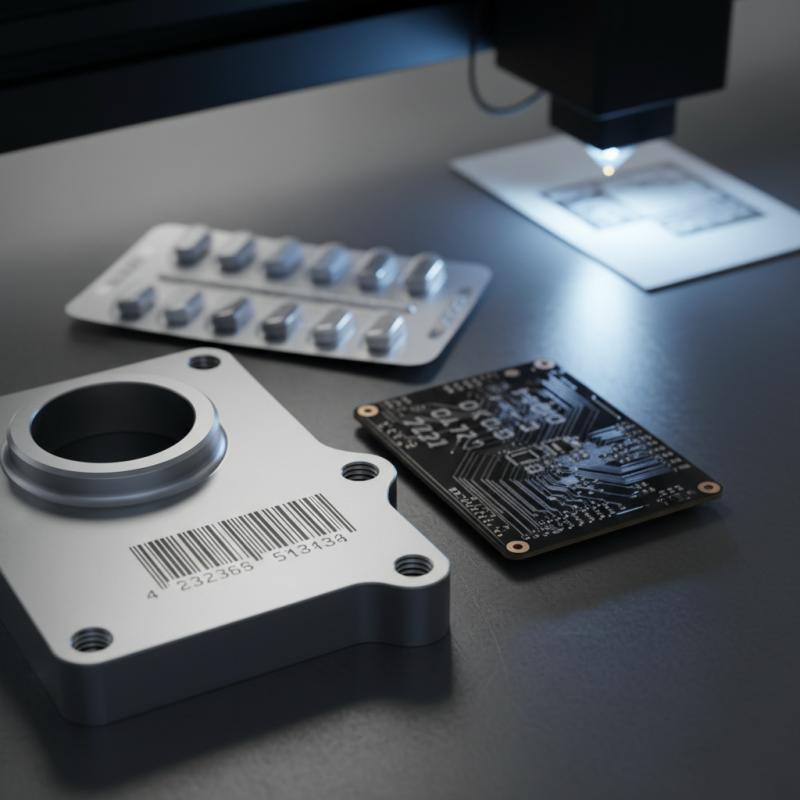
Laser marking in the automotive industry has become essential for precision and durability. This technology ensures that every component, from engines to electronic parts, is marked clearly and legibly. It allows manufacturers to enhance product identification. Moreover, the resilience of laser marks stands against wear, heat, and chemicals. This is vital for components exposed to harsh environments.
Choosing the right parameters is crucial. Adjusting speed, power, and frequency can greatly impact the quality of the mark. A slower speed can create deeper impressions, while higher power might burn the material if not managed carefully. Test setups can help find the ideal settings for various materials.
Tip: Always conduct tests on scrap materials first. This helps avoid costly errors. Additionally, regular maintenance of marking machines ensures consistent performance. Keeping lenses clean enhances clarity and reduces potential downtime. Consider training staff regularly to handle equipment effectively.
| Industry | Application | Benefits of Laser Marking | Materials Used |
|---|---|---|---|
| Automotive | Component identification and traceability | High precision, durability, and resistance to wear | Metals, plastics, ceramics |
| Electronics | Product branding and coding | Fine detail and non-destructive marking | Circuit boards, metals, glass |
| Medical | Device labeling and patient information | Sterilization compatibility and high accuracy | Stainless steel, polymers, glass |
| Packaging | Date coding and product markings | Quick processing and environmental adaptability | Cardboard, plastic, metal |
| Aerospace | Part identification and compliance marking | High standards of precision and reliability | Aluminum, titanium, composites |
: Laser marking ensures precision and durability for all vehicle components. It enhances product identification for engines and electronic parts.
Adjusting speed, power, and frequency affects the quality of marks. A slower speed can deepen impressions, while higher power may burn.
Test setups on scrap materials first. This practice helps identify the ideal settings, avoiding mistakes on actual products.
It ensures compliance with regulations and enhances patient safety. Accurate marking is vital for tracking medications and recalls.
Unique codes on packaging verify authenticity. This process reduces the risk of distributing unsafe medications.
Regular maintenance ensures quality and performance. Keeping lenses clean helps improve clarity and reduces downtime.
Clear markings trace components back to their origin. This traceability supports compliance and safety in maintenance procedures.
Easily readable markings speed up inspection processes. Improved efficiency can save time and reduce operational costs.
Organizations should review marking standards regularly to maintain accuracy and efficiency in their processes.
Laser marking machines are widely utilized across various industries for their precision and reliability. In the automotive sector, these machines provide high-quality markings that enhance durability and traceability of parts. The pharmaceutical industry benefits from laser marking by ensuring safety and compliance with rigorous regulations, thus enhancing product accountability. In the electronics sector, laser technology is key for improving product identification, ensuring that components meet strict quality standards.
Additionally, the food and beverage industry utilizes laser marking for traceability, which is crucial for maintaining product integrity and safety. Aerospace applications also leverage laser marking technologies to guarantee quality standards, critical for ensuring the safety and reliability of aircraft components. Overall, many industries utilize laser marking machines to achieve optimal results, demonstrating the diverse applications of this technology in enhancing operational efficiency and compliance. When pondering what industries use laser marking machines, these sectors exemplify the benefits derived from this advanced marking method.

 STYRL Laser