Laser marking has become a popular choice for marking durable products, but a key question arises: is laser marking permanent? John Smith, a renowned expert in laser technology, states, "Laser marking is generally permanent, but its longevity depends on several factors." This expert insight highlights the nuances in understanding the permanence of laser marks.
To grasp the permanence, one must consider the materials involved. Metals, plastics, and ceramics respond differently to laser marking. Each material presents unique challenges. For instance, some marks may fade over time due to environmental exposure. UV radiation or chemicals can wear down a laser mark on certain plastics, making it less permanent.
Another factor is the marking process itself. Various laser settings can create differing depths and clarity in markings. A shallow mark might not last as long as a deeper, more etched mark. These variations can lead to uncertainty when assessing the durability of laser markings. Reflecting on these aspects is essential for manufacturers and consumers alike, as the permanence of laser marking may not be as straightforward as it seems.
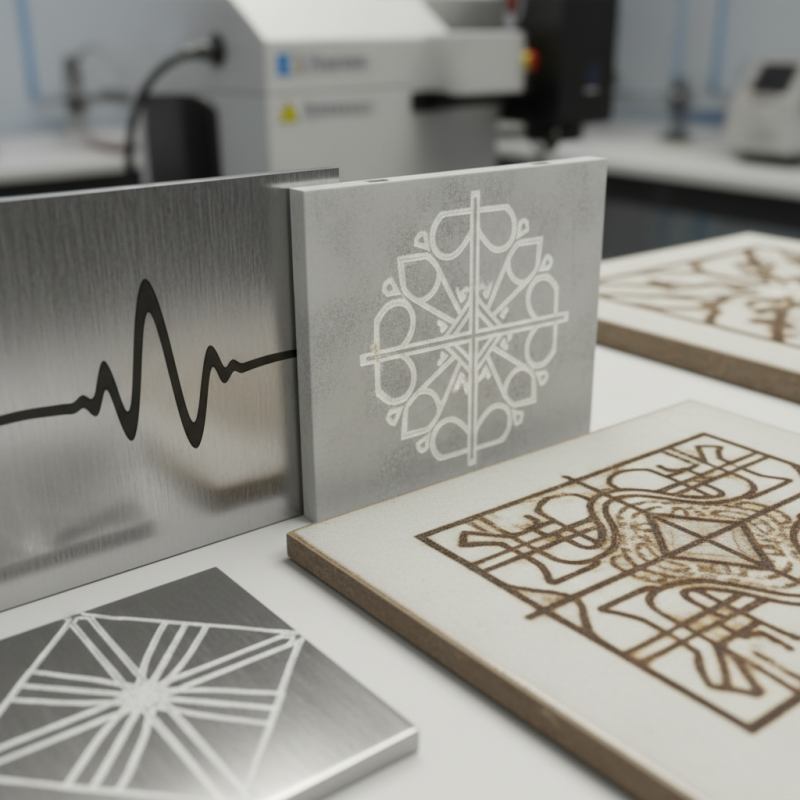
Understanding Laser Marking Technology and Its Applications
Laser marking technology has gained traction in various industries for its precision and durability. This method utilizes focused laser beams to etch designs, codes, or logos onto surfaces. The results are often permanent, making laser marking suitable for a wide range of durable products. Applications include metal engraving, plastic marking, and even wood designs.
Tips for effective laser marking: Always clean the surface before marking. Any contaminants can affect quality. Test on scrap material first to adjust settings. This practice can save time and resources.
Understanding different laser types is crucial. Each laser type operates at distinct wavelengths, impacting how materials react. CO2 lasers are commonly used for organic materials, while fiber lasers excel with metals. Knowing your material and laser type enhances mark quality. It's essential to consider factors like speed, power, and frequency during the marking process. Always review your setup for optimal results.
While laser marking is largely permanent, certain conditions may affect longevity. Environmental factors like humidity and extreme temperatures might impact marks over time. Reflecting on these elements will ensure you achieve lasting results that meet your expectations.
Characteristics of Durable Products Suitable for Laser Marking
When considering laser marking for durable products, it's essential to analyze their characteristics. Durable products often withstand extreme conditions. This includes temperature fluctuations, moisture, and chemical exposure. Materials like metals, plastics, and ceramics are commonly used in such items. Each of these materials reacts differently to the laser marking process.
Tips: Always test your material before full-scale marking. Each product may produce varying results. A shallow mark could fade over time.
The permanence of laser marks on durable products depends on the interaction between the laser and the material. For example, metal surfaces may acquire a high-contrast mark. However, softer plastics may not hold the mark as well. The thickness of the material can also affect the depth and clarity of the mark.
Tips: Keep in mind that high-speed marking may lead to inconsistencies. Adjust speed for different materials to ensure quality.
In some cases, the environment can impact the longevity of the marks. Exposure to UV light and harsh chemicals can degrade the quality over time. Regular maintenance of marked products can help enhance their lifespan. Understanding these factors is crucial for making informed decisions about laser marking.
Longevity and Durability of Laser Marking on Various Materials
Laser marking has gained popularity across various industries due to its potential for permanence. The longevity of laser markings depends on the material involved. For instance, metals tend to hold laser marks exceptionally well. They resist fading, corrosion, and damage over time, making them ideal for durable products. In contrast, materials like plastics and rubber may not endure as well. These surfaces can degrade under UV exposure or physical wear.
The effectiveness of laser marking also hinges on the specific technique used. Some methods create deeper, more resilient marks, while others might only engrave the surface. This variance can significantly influence durability. Additionally, environmental factors play a role. Marked items exposed to harsh conditions might not last as long as those kept in stable environments. This raises questions about the consistency of different laser marking applications.
There’s an inherent complexity in evaluating the permanence of laser markings. While some materials ensure long-lasting results, others reveal limitations. Users must understand these nuances to make informed choices about laser marking for their products. Ultimately, recognizing both strengths and weaknesses is essential in navigating this technology.
Longevity of Laser Marking on Various Materials
Factors Affecting the Permanence of Laser Marks
Laser marking is known for its permanence, yet several factors impact its durability. Material type plays a significant role. For instance, metals generally allow for deeper penetration of the laser, resulting in more lasting marks. Reports indicate that aluminum and steel demonstrate strong resistance to fading, even under harsh conditions. Conversely, plastics may not sustain marks as effectively. Their composition can lead to surface degradation over time, diminishing the clarity of the mark.
Environmental factors cannot be overlooked. Exposure to UV light and harsh chemicals can erode laser marks. A study by the Materials Research Society found that laser marks on exposed surfaces can degrade by up to 60% within five years if subjected to intense sunlight. Likewise, abrasion from physical contact can wear away marks, especially on frequently handled items. This indicates that while laser marking can be permanent, its longevity is contingent on the environment and material involved.
User behavior also influences durability. Regular maintenance can extend the life of laser marks. However, neglecting proper care may lead to premature fading. It’s crucial to weigh these considerations when choosing laser marking for products intended for long-term use. Thus, understanding the nuances behind material selection and environmental influences sheds light on the overall effectiveness of laser marking technology.
Comparative Analysis: Laser Marking vs. Other Marking Methods
Laser marking has gained popularity for its efficiency and durability. Unlike traditional methods, such as ink printing and stamps, laser marking creates a lasting impression. The process involves using a focused laser beam to engrave or ablate materials, resulting in permanent marks. This is particularly beneficial for products exposed to harsh environments.
Comparative analysis shows that while ink can fade over time, and stamps may wear down, laser markings remain intact. Lasers can work on various surfaces, including metals, plastics, and ceramics. However, there are limitations. Not all materials are suitable for laser marking. Additionally, setup costs can be high for laser systems. Therefore, understanding the specific needs of a product is essential before choosing the best marking method.
The choice between laser marking and other techniques relies on multiple factors. The long-term application must be considered. For some projects, alternative marking methods may offer better flexibility or cost savings, despite their disadvantages. Each marking technology has its merits and shortcomings, which need careful evaluation.
FAQS
: Laser marking uses focused laser beams to etch designs or codes onto various surfaces.
Lasers can mark metals, plastics, wood, and ceramics, but each reacts differently.
Always clean the surface beforehand. Test settings on scrap materials first.
Each material may yield different results, impacting clarity and depth of marks.
Environmental elements like humidity, UV light, and extreme temperatures can degrade marks.
Laser marks are permanent and resistant to fading, unlike ink or stamp methods.
Yes, not all materials are suitable, and laser system setup costs can be high.
High speeds may cause inconsistencies. Adjust speed according to material for better quality.
They should withstand extreme temperatures, moisture, and chemical exposure.
Some projects might benefit more from flexibility or cost-effectiveness of alternatives.
Conclusion
Laser marking technology has gained popularity for its precision and permanence, raising the question: "Is laser marking permanent?" This method is particularly suited for durable products made from materials like metal, glass, and certain plastics, which can withstand the rigors of time and environmental exposure. The longevity of laser marks varies depending on the materials used and the nature of the application, yet many users report that these marks remain intact for years, demonstrating significant durability.
Several factors impact the permanence of laser marks, including the type of material, the intensity of the laser, and post-marking treatments. When comparing laser marking with other marking methods, it often stands out due to its ability to create marks that are not easily erased or damaged. Ultimately, for those considering this technology, it's essential to understand both the advantages and potential limitations to ensure that the laser marking meets their durability needs.

 STYRL Laser