Laser Welding vs Arc Welding 5 Key Differences You Should Know?

Time:2026-05-31 Author:Liam
0%

Laser welding and arc welding are two distinct joining processes widely used in various manufacturing industries. Understanding what is the difference between laser welding and arc welding can greatly influence production efficiency and cost. According to a report by MarketsandMarkets, the laser welding market is projected to grow from $3 billion in 2021 to over $5 billion by 2026, highlighting its rising relevance.

Laser welding offers precision and speed, making it suitable for intricate projects. In contrast, arc welding is often more affordable and versatile for thicker materials. A study by the American Welding Society emphasizes that arc welding remains the dominant technique in numerous applications, revealing its robust presence in the industry.

However, each method has drawbacks. Laser welding, while efficient, requires significant upfront investment in technology and training. Arc welding, on the other hand, may compromise surface finish and precision in certain scenarios. Manufacturers must weigh these factors carefully, considering not only immediate cost but also long-term sustainability and quality assurance.
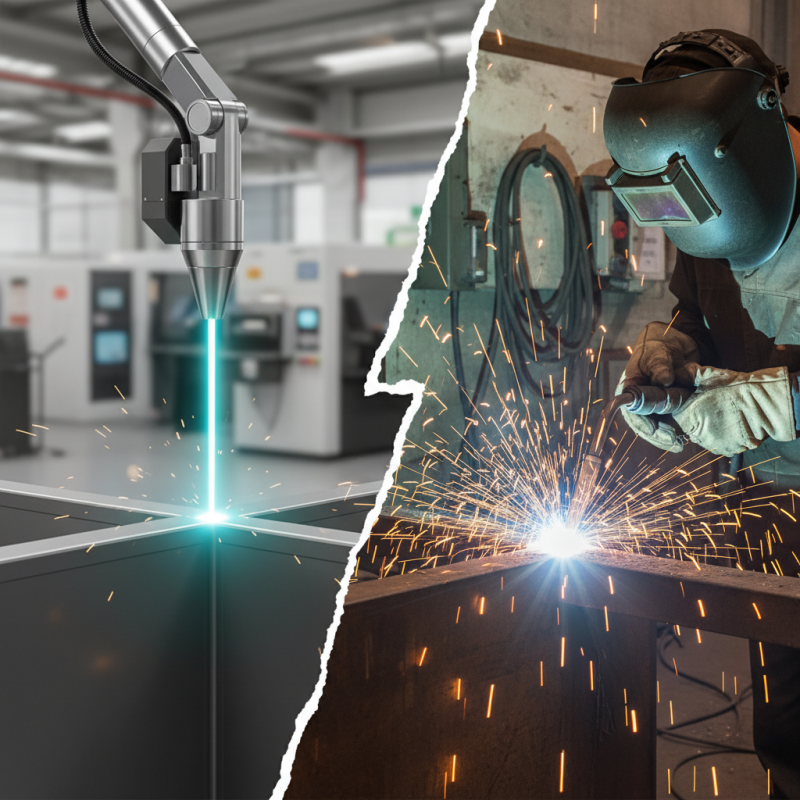
Laser Welding vs Arc Welding 5 Key Differences You Should Know?

Laser Welding Overview and Key Characteristics

Laser welding is a precise technique that uses a focused beam of light to join materials. This process is known for its high speed and minimal thermal distortion. It allows for exceptional control in joining thin or delicate components. The laser beam can be easily guided, making it ideal for complex shapes. The versatility of laser welding makes it suitable for various materials, including metals and plastics.

Tips: Ensure proper alignment of parts before welding. Small misalignments can affect the final results.

This method results in narrow welds, which reduces the heat-affected zone. It helps maintain the integrity of surrounding materials. Another key characteristic of laser welding is the ability to automate the process. Automation leads to increased efficiency and consistency. However, it may require skilled operators for setup and maintenance.

Tips: Regularly inspect laser equipment to prevent malfunction. Maintenance is crucial for consistent quality in welds.

Despite its advantages, laser welding has its limitations. Cost is a concern for some manufacturers, as equipment can be expensive. Additionally, the learning curve for new operators can be steep. Understanding the nuances of laser parameters is essential for optimal results.

Arc Welding Overview and Key Characteristics

Arc welding is a widely used technique in various industries. This method relies on an electric arc to create heat for joining metals. The process offers significant versatility, allowing it to work with various materials, such as steel and aluminum. According to industry reports, arc welding accounts for nearly 40% of all welding processes in manufacturing. This high percentage highlights the technique's popularity and effectiveness.

One of the key characteristics of arc welding is its ability to produce strong welds. The resulting joint can often withstand high stress and impact. However, it does have its downsides. For instance, the heat generated can lead to warping in thin materials. Moreover, the skill level required varies; beginners may struggle with controlling the arc. Industry data indicates that 25% of novice welders face challenges in achieving consistent results. This fact underlines the importance of training and practice in mastering arc welding techniques.

Additionally, arc welding's efficiency can be affected by external factors. Wind, for example, can disrupt the welding arc, resulting in poor quality. This makes it crucial for welders to consider their working environment. Many professionals advocate for controlled settings to mitigate such issues. Arc welding offers robust performance but requires careful setup and expertise for optimal results.

Laser Welding vs Arc Welding: 5 Key Differences You Should Know

Feature Laser Welding Arc Welding
Heat Source Laser beam Electric arc
Welding Speed Higher Moderate
Material Thickness Thin to medium Thin to thick
Precision Very high Moderate
Heat Affected Zone (HAZ) Smaller Larger

Comparison of Techniques: Efficiency and Speed

When comparing laser welding and arc welding, efficiency and speed are crucial factors. Laser welding is known for its high precision and quick processing times. Reports indicate that this technique can achieve welding speeds up to 10 meters per minute. In contrast, arc welding generally operates at a slower pace, with typical speeds around 1 to 2 meters per minute. This difference means that projects requiring tight deadlines may benefit more from laser welding.

In addition to speed, the overall efficiency of these techniques can vary. Laser welding often requires minimal post-weld cleanup due to its clean and concentrated heat source. A study showed that laser welding could reduce labor hours by 30% in certain applications, making it an attractive option for manufacturers. However, laser systems can involve high initial costs and require specialized training. Some operators may find they struggle with the technology, highlighting a potential barrier to entry. Nonetheless, as industries evolve, laser welding is becoming more accessible, pushing traditional methods to adapt.

Cost Implications: Laser vs Arc Welding

When considering cost implications in welding, laser and arc welding present distinct financial factors. Laser welding often has higher initial setup costs. This is due to the technology and equipment required. However, it typically results in lower operational costs over time. The speed and precision of laser welding can reduce material waste. You save money on consumables and rework.

On the other hand, arc welding has lower initial investment requirements. The equipment is generally more affordable and accessible. However, arc welding processes might lead to higher costs in longer projects. Slower speeds can increase labor costs. Moreover, the potential for spatter and defects means additional cleanup and repair expenses.

Balancing these factors is essential for decision-making. Businesses may favor arc welding for short-term projects while considering laser welding for long-term efficiency. It’s also important to analyze current project needs and long-term goals. Reflecting on these aspects ensures a thorough evaluation of both methods' financial impact.

Applications and Suitability of Each Welding Method

Laser welding and arc welding serve distinct purposes across various industries. Laser welding is known for its precision. It excels in applications requiring tight tolerances, such as electronics and medical device manufacturing. The focused energy of a laser creates minimal heat-affected zones, reducing distortion risks. This makes it ideal for thin materials and highly intricate designs.

In contrast, arc welding is a versatile method commonly used in heavy industries. Its strength lies in its ability to join thicker materials, like steel and aluminum. It's often utilized in construction and automotive sectors where durability is crucial. However, arc welding may lead to more distortion and a wider heat-affected zone, which can compromise part integrity. While both methods have their merits, selecting the appropriate technique hinges on material type, project requirements, and desired finish. Careful consideration can help avoid costly mistakes in production.

FAQS

: What are the initial costs of laser welding compared to arc welding?

: Laser welding has higher setup costs due to advanced technology. Arc welding is more affordable to start.

How do operational costs differ between laser and arc welding?

Laser welding typically has lower operational costs over time, mainly due to reduced material waste.

Which welding method is faster and more precise?

Laser welding is faster and more precise, making it ideal for intricate designs and tight tolerances.

In which industries is laser welding commonly used?

Laser welding is popular in electronics and medical device manufacturing due to its precision.

Why might arc welding be preferred for short-term projects?

Arc welding has lower initial costs, making it feasible for short-term projects requiring quick setup.

What are the risks of using arc welding for thick materials?

Arc welding can lead to distortion and a wider heat-affected zone, risking the integrity of thick materials.

How does material type influence the choice of welding method?

The choice depends on material thickness and project requirements, which affect welding outcomes.

Are there any potential downsides to laser welding?

While efficient, laser welding may not be suitable for all materials. Reflecting on your needs helps avoid mistakes.

What factors should be considered when choosing a welding technique?

Analyze project goals, material type, and desired finish to select the appropriate welding method.

How can improper welding choices impact costs?

Poor choices can result in costly rework and cleanup, so careful planning is essential.

Conclusion

Laser welding and arc welding are two prominent joining techniques, each with its own unique characteristics. Laser welding employs focused light beams to create precise and clean welds, making it ideal for applications requiring high accuracy and speed. In contrast, arc welding uses an electric arc to melt the workpieces, which is generally more versatile and well-suited for thicker materials.

When considering what is the difference between laser welding and arc welding, it is important to evaluate their efficiency and cost implications. Laser welding typically offers quicker processing times and higher precision but comes with higher initial investment costs. On the other hand, arc welding is often more economical for large-scale production due to its lower setup costs and greater adaptability in various environments. The choice between the two methods ultimately depends on the specific application and material requirements.

Liam

Liam

Liam is a dedicated marketing professional with a profound expertise in the industry, where he excels at highlighting the unique advantages of our core products. With a keen understanding of market trends and consumer needs, Liam frequently updates our company’s professional blog, providing......