How to Maintain a Laser Marking System Effectively?

Time:2026-05-07 Author:Madeline
0%

Maintaining a laser marking system is crucial for optimal performance and longevity. According to David Thompson, a renowned expert in laser technology, "Consistent maintenance is the key to preventing costly downtimes." This statement highlights the importance of regular upkeep in ensuring that these sophisticated machines operate effectively.

Effective maintenance involves routine inspections and timely repairs. Neglecting these tasks can lead to significant issues, including decreased marking quality. Additionally, dust and contaminants can accumulate over time, affecting the system’s precision. In a busy manufacturing environment, it’s easy to overlook these details, but doing so can result in more significant problems down the line.

Understanding how to maintain a laser marking system requires dedication and discipline. Operators must develop a reliable cleaning schedule and prioritize parts replacement when needed. Regular training and staying updated on best practices can further enhance system reliability. While achieving perfection in maintenance is challenging, striving for continuous improvement will yield better results.
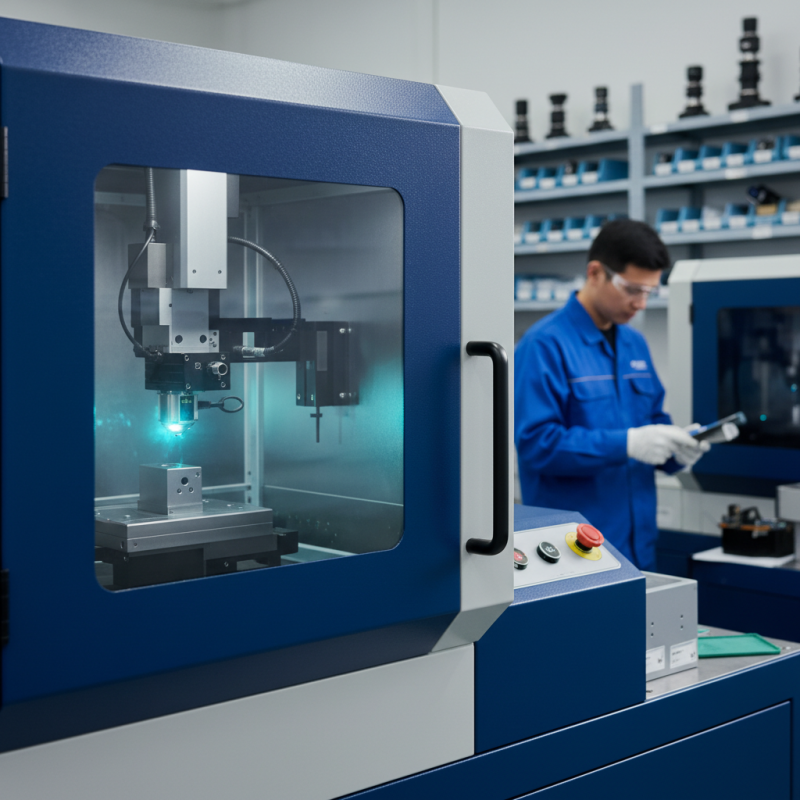
How to Maintain a Laser Marking System Effectively?

Understanding the Components of a Laser Marking System

A laser marking system consists of several critical components. Understanding these parts is essential for effective maintenance. The laser source generates light, enabling marking on various materials. Common types include fiber, CO2, and diode lasers. Each has unique benefits and applications based on the material targeted.

The marking head directs the laser beam. It often includes lenses or mirrors to focus the beam precisely. This focus is vital for achieving high-quality marks. Regular cleaning of these optics can prevent deterioration in performance. The control system integrates software and hardware. It ensures that the laser operates at set parameters. Monitoring this system is crucial since software updates can introduce bugs.

Power supply is another significant component. A reliable power source guarantees consistent operation, reducing the chance of interruptions. Voltage fluctuations can affect marking quality. Operators should inspect power supplies regularly. While understanding these components is beneficial, noting the occasional breakdowns is also crucial. Reflecting on system performance helps identify weaknesses and improve operations. Identifying issues early can save time and costs in the long run.

Efficiency Analysis of Laser Marking Systems

Regular Maintenance Checks and Their Importance

Regular maintenance checks are crucial for the longevity and performance of a laser marking system. A systematic approach ensures that the machine operates at peak efficiency. This can prevent unexpected downtime and costly repairs. Regular inspections should include checking lens clarity, aligning the laser beam, and monitoring cooling systems. These routine tasks can significantly reduce wear and tear on components.

During maintenance, operators should also look for signs of wear. Cables, for instance, can fray over time. Noticing such issues early can save time and money. Inspecting the workspace for safety hazards is essential. A clean environment reduces the risk of contamination in the marking process.

It's vital to keep a maintenance log. Documenting completed checks helps identify patterns and recurring issues. This practice promotes accountability among team members. Reflecting on past maintenance activities can highlight areas for improvement. Regular evaluation ensures that your laser marking system remains reliable and efficient.

Best Practices for Cleaning and Upkeep of Laser Equipment

Maintaining a laser marking system requires attention to detail. Regular cleaning is vital to ensure optimal performance. Dust and debris can accumulate on lenses and mirrors, affecting the quality of your markings. Use a soft microfiber cloth for gentle cleaning. Avoid abrasive materials, as they can scratch surfaces and disrupt functionality.

Tips for cleaning include using a specialized lens cleaner. Apply it lightly to the cloth, not directly on the lens. Also, check your system daily for any signs of wear. It's crucial to document any issues. This practice helps identify recurring problems and aids in troubleshooting.

Don't overlook the importance of checking the cooling system. Overheating can damage internal components. Ensure that fans and vents are clear of obstructions. Regularly inspect and replace any worn-out parts to avoid potential failures. Understanding your equipment's specific needs can significantly improve its lifespan.

Troubleshooting Common Issues in Laser Marking Systems

Laser marking systems are valuable assets in manufacturing and production. However, they can present common issues that may disrupt operations. Identifying and troubleshooting these problems effectively can enhance productivity and save costs.

When your laser marking machine displays inconsistent marks, it often signals a misalignment. Regularly check the optical path for obstructions. Ensure proper lens cleaning to avoid blurry results. This simple maintenance step is often overlooked.

If the machine fails to start, inspect the power supply and connections. Loose wiring is a frequent culprit. Tightening connections can resolve many startup issues. Also, evaluate the software settings; incorrect configurations may lead to malfunctions.

Tips: Regular training for operators can reduce errors and improve handling of the equipment. Encourage feedback from users to identify recurring problems. Sometimes, just asking questions can lead to insights that simplify troubleshooting processes. Remember, understanding your system deeply can prevent small issues from escalating into larger ones.

Record Keeping and Performance Monitoring for Longevity

Proper record keeping is crucial for the longevity of a laser marking system. It ensures that you have a clear history of operations, including maintenance schedules and usage patterns. Regularly documenting temperature, energy settings, and material types can help identify trends over time. This data can also aid in troubleshooting issues before they escalate. Missing even a few entries can lead to problematic lapses in performance.

Performance monitoring is another key component. Regular assessments can reveal whether the system operates within desired parameters. Observing inconsistencies in marking quality may indicate underlying mechanical or calibration issues. Keeping a log of these observations allows for timely intervention. Sometimes, the smallest changes can significantly impact results, requiring reflection on procedures.

Engaging your team in this process fosters a culture of accountability. Make it a routine to review the logs weekly. This practice helps everyone stay vigilant. However, remember that perfection is unattainable. Mistakes or lapses in record-keeping may happen. The important part is to address these shortcomings and improve the approach moving forward. Identify specific areas for growth and focus on enhancing your record-keeping process over time.

FAQS

: Why are regular maintenance checks important for laser marking systems?

: They ensure longevity and peak performance, preventing costly repairs and unplanned downtime.

What should be included in regular maintenance inspections?

Inspect lens clarity, align the laser beam, and check cooling systems for efficiency.

How can operators identify potential wear on components?

Look for early signs, like frayed cables, and address them promptly to save time and money.

Why is a clean workspace essential for laser marking?

It minimizes contamination risks and supports better marking quality during operations.

What should be documented in a maintenance log?

Record completed checks, usage patterns, and issues to identify trends and promote accountability.

How can inconsistent marking be resolved?

Check for misalignment and obstructions; clean the lens to enhance clarity and accuracy.

What steps can be taken if the machine fails to start?

Inspect power supply and connections; tighten loose wires and check software settings for errors.

How does performance monitoring contribute to system longevity?

It helps identify inconsistencies in performance and prompts timely interventions for improvement.

What should teams do regarding record-keeping?

Regularly review logs together, acknowledging that errors may happen and focusing on continual improvement.

What can be gained from engaging team feedback during maintenance?

It reveals recurring problems and encourages collaboration for simpler troubleshooting and effective solutions.

Conclusion

Effectively maintaining a laser marking system is crucial for its longevity and optimal performance. To understand how to maintain a laser marking system, one should start by familiarizing themselves with its key components, ensuring all parts are functioning properly. Regular maintenance checks are essential, as they help in identifying potential issues before they escalate.

Best practices for cleaning and upkeep should involve specific techniques tailored to the equipment, as proper care can prevent contamination and extend the lifespan of the system. Additionally, troubleshooting common issues can minimize downtime. Finally, maintaining thorough records and performance monitoring is vital to tracking the system's efficiency and planning future maintenance efficiently. By following these guidelines, operators can ensure their laser marking systems remain in top condition.

Madeline

Madeline

Madeline is a dedicated marketing professional with a wealth of expertise in our company's core offerings. With a keen understanding of the industry, she brings a unique perspective to her role, consistently delivering high-quality content that highlights the superior aspects of our products. As......