How to Maintain a Laser Marking System for Optimal Performance?

Time:2026-08-21 Author:Madeline
0%

Maintaining a laser marking system is crucial for ensuring consistent performance and longevity. As industries increasingly rely on laser technology for precision marking, understanding how to maintain a laser marking system becomes essential. Proper maintenance not only prevents breakdowns but also enhances the quality of markings produced.

Regular checks and cleaning are vital. Dust and debris can accumulate and interfere with laser functionality. Avoiding these issues requires diligence in upkeep. Inspecting components like lenses and mirrors should be part of routine maintenance. Weak beams often signal the need for adjustments or replacements. Users must be vigilant in noticing changes in marking quality.

Despite best efforts, challenges may arise. Users might encounter technical glitches or degraded performance. These situations call for a reflective approach, encouraging systematic troubleshooting. Seeking expert advice can expedite resolving issues. By emphasizing maintenance, operators can achieve optimal performance and prolong the life of their laser marking systems.
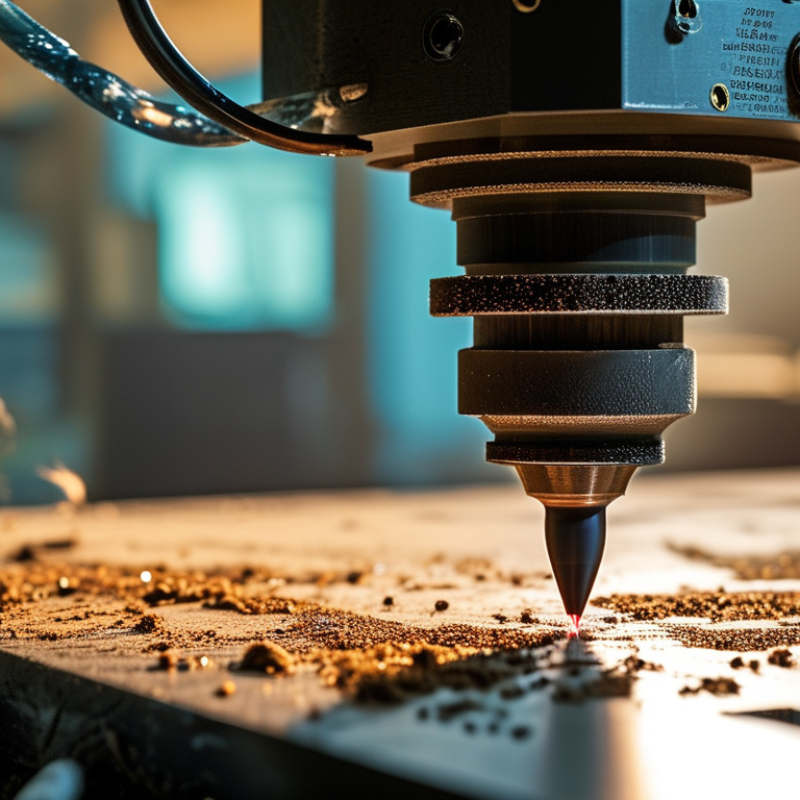
How to Maintain a Laser Marking System for Optimal Performance?

Best Practices for Daily Maintenance of Laser Marking Systems

Maintaining a laser marking system requires consistent attention. Daily maintenance can significantly enhance performance and extend the system's lifespan. Regularly cleaning the lens and mirrors helps ensure clarity in markings. Dust, dirt, or residue can lead to poor engraving quality. According to industry reports, systems that undergo daily lens inspections show a 25% improvement in marking accuracy.

Checking the cooling system is essential. Most laser marking systems rely on proper cooling to function efficiently. Insufficient cooling may lead to overheating, impacting the laser's performance and longevity. Notably, studies indicate that systems with optimal cooling maintain 30% better operational efficiency over time. Operators often overlook this component, which can lead to costly repairs.

Regular software updates also play a key role. Keeping the software current enhances functionality and introduces new features. Neglecting updates can leave systems vulnerable to performance issues. Engaging with user manuals and maintenance guides fosters a deeper understanding of the equipment. A systematic approach to these daily tasks makes a noticeable difference, yet many still treat these updates as optional.

How to Maintain a Laser Marking System for Optimal Performance? - Best Practices for Daily Maintenance of Laser Marking Systems

Maintenance Task Frequency Description Tools Needed
Clean Lens Daily Remove any dust or debris from the lens to ensure clarity and performance. Lens cleaning solution, microfiber cloth
Check Alignment Weekly Verify that the laser is properly aligned with the marking surface. Alignment tools, ruler
Inspect Cooling System Weekly Ensure the cooling systems are functioning properly to prevent overheating. Cooling system maintenance tools
Check Software Updates Monthly Keep the control software updated to ensure optimal functionality. Computer, internet connection
Inspect Cabling Monthly Check all cables for wear and tear, ensuring a secure connection. Visual inspection tools

Understanding the Importance of Regular Calibration of Laser Equipment

Regular calibration of laser equipment is crucial for maintaining optimal performance. Without it, marking quality can degrade, negatively affecting production. Calibration ensures that the laser operates at the correct power, speed, and focus. Inaccuracies may go unnoticed, leading to inconsistent results and wasted materials.

Take the time to assess your laser marking system. Is it functioning within specifications? If not, it may be time for a calibration check. Consider creating a calibration schedule that aligns with your production needs. Consistency is key. Regularly checking alignment and focus can prevent issues before they arise.

Pay attention to environmental factors as well. Dust and temperature fluctuations can affect your system's performance. Keeping the workspace clean and controlled can enhance reliability. A well-maintained system reduces downtime and improves output quality. When issues do occur, they should prompt a reflection on maintenance procedures. Regular calibration can help you identify systematic problems in your workflow.

Common Issues in Laser Marking Systems and Their Solutions

Laser marking systems are powerful tools in manufacturing, but they can face various operational issues. Common problems include inconsistent marking quality, alignment issues, and overheating. According to a recent industry report, nearly 30% of users experience inconsistent results due to improper maintenance or incorrect settings. These issues can significantly hinder productivity and increase production costs.

To ensure optimal performance, regular inspection and calibration are crucial. Check the focus of the beam regularly; even a minor misalignment can affect marking quality. Use a dust cover to minimize contaminants on the optics. High temperatures can cause the system to malfunction, so monitor the cooling systems. Overheating can lead to decreased performance and even permanent damage.

While addressing these issues, consider training operators thoroughly. They should understand not just the equipment but also the operational environment. Continuous education can reduce errors significantly. Encouraging feedback from operators can highlight unnoticed problems and improve the overall system's effectiveness. Reflecting on past challenges can lead to better decision-making in the future. Regular reviews of processes can refine operations and enhance quality control.

Recommended Cleaning Techniques for Laser Marking Components

Maintaining a laser marking system requires attention to the cleanliness of its components. Dust and residue can significantly impact the quality of your marks. Regular cleaning helps ensure consistent performance and prolongs the life of the system. Use a soft, lint-free cloth to gently wipe the laser lens. This prevents scratches and maintains optimal beam quality.

When cleaning the mirrors, it's crucial to use appropriate solvents. Isopropyl alcohol is often effective for removing stubborn marks without damaging the surface. Lightly moisten the cloth, but avoid excess liquid. Too much moisture can seep into other components and cause malfunction. Check the manufacturer guidelines for specific recommendations.

Consider performing regular maintenance checks. Inspect air filters and ventilation systems to prevent overheating. A clean environment also supports much slower buildup of dirt. If you notice fluctuations in laser intensity, it may require a deeper clean or even part replacements. This proactive approach can save you from costly repairs down the line.

How to Monitor and Analyze Performance Metrics of Laser Systems

Monitoring and analyzing performance metrics of laser marking systems is crucial for maintaining optimal functionality. Key performance indicators (KPIs) include speed, accuracy, and downtime. Regularly measuring these metrics allows for informed adjustments, ensuring systems operate within their optimal ranges. A recent report indicates that up to 30% of laser system failures can be traced back to inefficient monitoring practices. Addressing these issues can lead to significant reductions in waste and errors.

Data collection should be systematic. Collect metrics from various stages of operation. This includes machine performance logs, product quality assessments, and operator feedback. By employing these approaches, manufacturers can identify patterns and anticipate potential failures. For instance, a decline in marking speed might indicate wear on the laser lens. These early warnings are vital in preventing costly disruptions.

Investing in software tools that analyze these metrics can yield richer insights. Using advanced analytics, manufacturers can benchmark performance against industry standards. Notably, a survey found that companies leveraging data analytics improved their operational efficiency by up to 25%. However, reliance on technology must be balanced with human oversight. Continuous training and skill development for operators are essential to interpret data accurately and take necessary actions.

FAQS

: Why is regular calibration necessary for laser equipment?

: Regular calibration maintains optimal performance and ensures correct power, speed, and focus for laser operations.

What common issues can arise from poor laser maintenance?

Common issues include inconsistent marking quality, alignment problems, and overheating, impacting productivity significantly.

How can environmental factors affect laser marking systems?

Dust and temperature fluctuations can hinder performance. A clean, controlled workspace enhances reliability and reduces downtime.

What should I use to clean the laser lens?

Use a soft, lint-free cloth to gently wipe the laser lens and prevent scratches.

How can overheating be prevented in laser systems?

Monitor cooling systems closely. Regular maintenance checks of ventilation systems help prevent overheating.

What cleaning solution is effective for mirrors?

Isopropyl alcohol is effective for removing stubborn marks from mirrors without causing damage.

How often should I inspect my laser marking system?

Regular inspection and calibration are crucial to ensure consistent performance and identify potential issues early.

What can training operators achieve?

Thorough training helps operators understand the equipment, reducing errors and improving operational efficiency.

What should I check if I notice fluctuations in laser intensity?

Fluctuations may require a deeper clean or part replacements to maintain consistent performance.

How can I minimize contaminants on the optics?

Use a dust cover to protect the optics from dust and maintain optimal marking quality.

Conclusion

Maintaining a laser marking system for optimal performance is crucial for ensuring precision and longevity in the equipment. To effectively understand how to maintain a laser marking system, best practices for daily maintenance should be prioritized, which include regular cleaning of components and routine inspections. Furthermore, the importance of regular calibration of laser equipment cannot be overstated, as it directly affects the quality of the markings and operational accuracy.

In addition to consistent maintenance and calibration, awareness of common issues that may arise in laser marking systems is essential for troubleshooting. Implementing recommended cleaning techniques helps mitigate potential problems, while monitoring and analyzing performance metrics allows users to assess the system's efficiency. By adhering to these guidelines, operators can maximize productivity and maintain the integrity of their laser marking systems.

Madeline

Madeline

Madeline is a dedicated marketing professional with a wealth of expertise in our company's core offerings. With a keen understanding of the industry, she brings a unique perspective to her role, consistently delivering high-quality content that highlights the superior aspects of our products. As......