When considering how to choose between laser marking and printing, it's essential to evaluate the specific needs of your project. Each method has unique advantages and disadvantages, ranging from durability to cost-effectiveness. For instance, laser marking often provides high precision and is suitable for materials like metal and plastic. This ensures lasting readability, especially for industrial applications.
On the other hand, traditional printing may offer flexibility in terms of vibrant colors and faster setup times. However, printed images can fade over time, raising questions about long-term reliability. Exploring these options requires careful thought and understanding. Reflecting on your intended use will help you make a more informed decision. Often, businesses overlook factors such as environmental conditions and material compatibility. Recognizing these nuances is key to ensuring that your choice meets both operational and aesthetic demands.
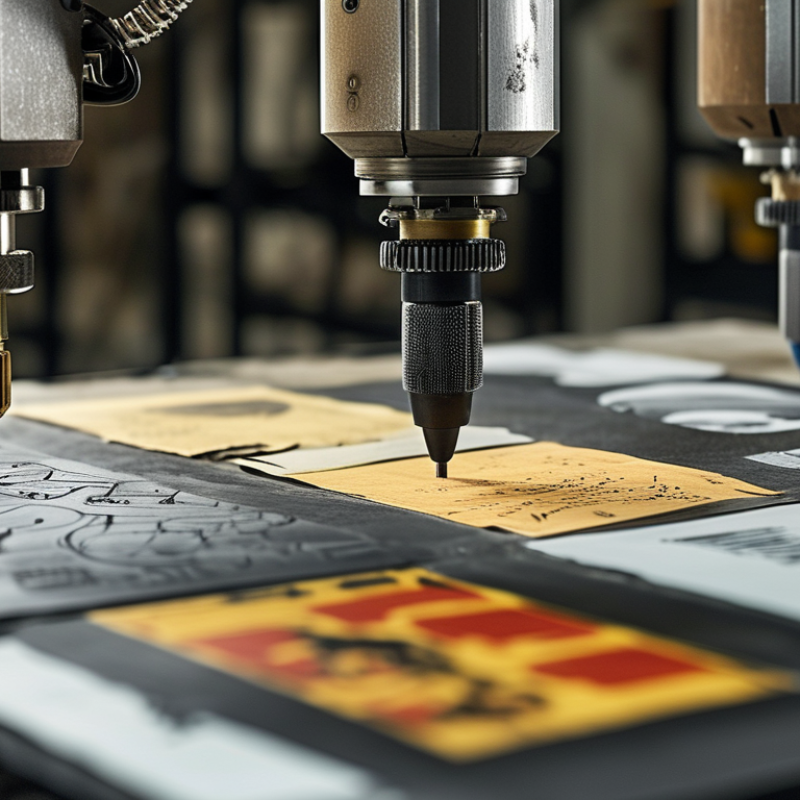
Factors to Consider When Choosing Laser Marking Technology
When selecting laser marking or printing technology, several important factors come into play. Understanding your specific application is crucial. For instance, the material you plan to mark will influence your choice. Metals, plastics, and glass require different approaches. Ensure the technology you choose is compatible with your materials.
The desired permanence of the marking is another important consideration. If you need a long-lasting mark, options like fiber lasers or CO2 lasers are favorable. These methods can withstand wear and environmental exposure. However, if you only need temporary markings, consider simpler solutions.
Don't overlook the importance of speed as well; some technologies operate much faster than others, which could impact your productivity.
Tip: Always assess your production volume when evaluating options. Higher volumes may justify investing in advanced systems. Additionally, consider the level of detail you require in the markings. Some technologies can achieve fine particulars, while others deliver broader results. Balancing these elements can lead to finding the right laser marking technology for your needs.
Types of Laser Marking Techniques and Their Applications
Laser marking techniques vary significantly based on application needs. Understanding these methods helps businesses choose wisely. One popular technique is fiber laser marking. It excels in marking metals and certain plastics. This method produces high-contrast marks and is ideal for industrial applications.
Another common option is CO2 laser marking. This technique works well on non-metal surfaces. Materials like wood, glass, and acrylic are suitable for CO2 lasers. They create intricate designs and are widely used for branding and decorative purposes.
There are also options like UV laser marking. This approach is gentle and suitable for delicate materials. It minimizes damage to the surface while providing high-quality markings. Choosing the right technique depends on the project's specific needs and material properties. Many users find the decision overwhelming. Sometimes, trial and error is necessary to determine what works best.
Evaluating Material Compatibility for Laser Printing
When selecting laser marking or printing options, evaluating material compatibility is crucial. Different materials respond uniquely to laser technology. Metals, plastics, ceramics, and textiles each exhibit specific properties. A study by the Laser Institute of America highlights that nearly 70% of laser marking failures stem from material incompatibility. Understanding these nuances can save time and resources.
For instance, metals often require higher power settings, while plastics might need lower energy to avoid burning. A report by the International Society for Optics and Photonics indicates that using the incorrect settings on a compatible material can result in irreversible damage. This reflects the importance of testing setups on all material samples before full production.
Some materials absorb laser energy poorly, leading to weak marks or incomplete engraving. Conversely, some plastics can produce hazardous fumes if treated improperly. It's essential to always consider not just the material but the intended application and environmental factors. Reflecting on past experiences with incompatible materials can guide better choices in the future.
Cost Analysis: Budgeting for Laser Marking Solutions
When considering laser marking solutions, cost is a crucial factor. According to a 2022 Industry Research Report, laser marking systems can range from $5,000 to over $100,000, depending on complexity and features. This broad range creates challenges for budget planning. Many companies underestimate the total cost of ownership, which includes maintenance, materials, and operational expenses.
Operating costs can add up quickly. For instance, energy consumption typically contributes significantly to operational budgets. Reports indicate that laser systems may consume around 2-10 kW, leading to monthly energy bills between $200 and $500. Additionally, the choice of materials directly impacts the overall cost. Certain substrates require expensive coatings or specialized equipment, which can inflate initial investments.
Cost-saving opportunities exist, but they require careful consideration. Lower-priced options may seem appealing, yet they can lead to higher long-term costs due to inefficiency or frequent downtime. A 2023 expert analysis highlighted that companies often overlook critical factors, such as employee training and technology updates. These aspects can result in lost productivity and increased operational costs. Evaluating hidden costs before making a decision is essential for achieving a balanced budget.
Assessing Quality and Durability of Marked Outputs
When evaluating laser marking or printing options, the quality and durability of marked outputs are paramount. Industry reports indicate that markings must withstand various conditions, such as harsh chemicals and extreme temperatures. For example, studies show that laser markings on metal surfaces can endure temperatures exceeding 600°C without degrading. This resilience is crucial for applications in fields like aerospace and automotive manufacturing.
However, achieving optimal durability involves selecting the right materials and techniques. Not all substrates respond equally to laser marking. Some plastics may produce less durable marks compared to metals. In a recent survey, 70% of manufacturers reported issues with fading or chipping on specific materials. The choice of laser type, power settings, and speed also significantly impacts the final output quality. Markings created with incorrect parameters may exhibit reduced adhesion or poor contrast.
While advancements in technology have improved capabilities, challenges remain. A significant portion of users—over 30%—express concern about inconsistent quality across different batches. Such inconsistencies can lead to questions regarding the reliability of marked products. Companies must invest in proper training for operators and implement rigorous quality control measures. The pursuit of quality is ongoing, requiring constant evaluation and adjustment of practices.
Conclusion
When considering how to choose between laser marking and printing, there are several key factors to evaluate. Understanding the various laser marking technologies and their specific applications is crucial, as it helps determine the most suitable solution for your needs. Material compatibility plays an essential role; different materials may react differently to laser marking or printing, impacting the quality of the final output.
Additionally, conducting a thorough cost analysis is vital for budgeting appropriately for laser marking solutions. Assessing the quality and durability of the marked outputs also influences the decision, as these aspects can affect the long-term success of the chosen method. By carefully weighing these factors, you can effectively select the best approach for your laser marking or printing requirements.

 STYRL Laser