Top Materials Suitable for Laser Welding What Can You Weld?

Time:2026-05-22 Author:Oliver
0%

Laser welding is a precise and efficient joining technique. Understanding what materials can be laser welded is crucial for industries ranging from automotive to aerospace. Various metals and plastics respond differently to laser welding.

Many metals, such as stainless steel and aluminum, are excellent candidates. However, alloys can be tricky. Each material has specific properties. These properties can affect welding quality. For example, reflective metals may require special techniques. This can create challenges for experienced welders.

Choosing the right material impacts the longevity and strength of the bond. It is essential to experiment and reflect on results. Not every material will yield perfect outcomes—some may need adjustments. Testing various combinations can help uncover the best practices in laser welding.
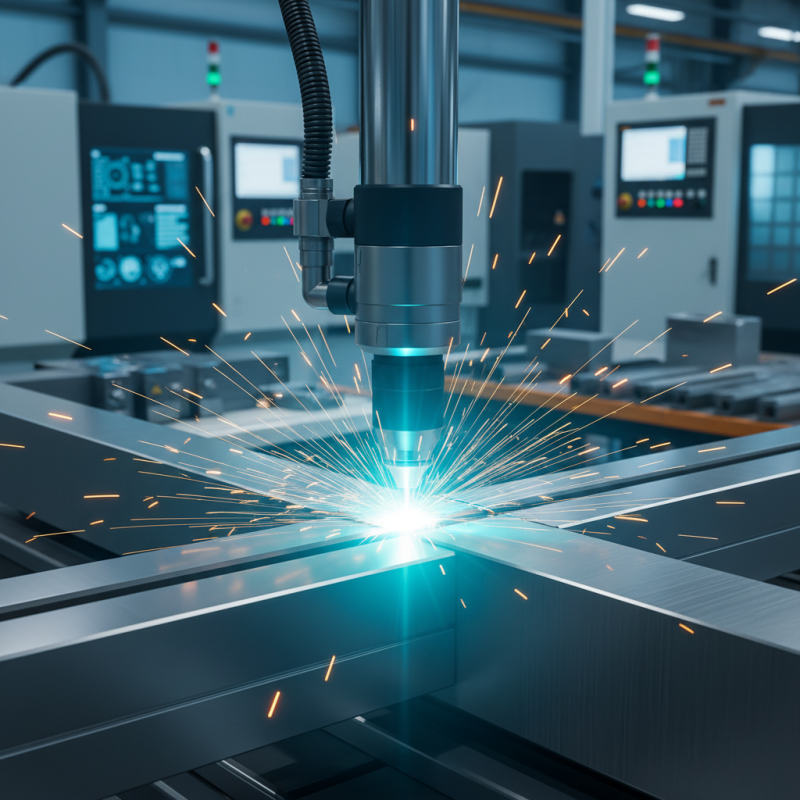
Top Materials Suitable for Laser Welding What Can You Weld?

Top Materials Suitable for Laser Welding: An Overview of Welding Capabilities

Laser welding has become a preferred method for joining materials in various industries. It provides precision and efficiency, making it ideal for different types of metals. Steel, aluminum, copper, and various alloys are some of the most suitable materials for laser welding. Each material offers unique challenges and benefits. For instance, aluminum requires careful consideration of heat input to prevent distortion, while copper demands specialized techniques to manage its thermal conductivity.

The capabilities of laser welding are impressive. It allows for deep penetration with minimal heat-affected zones. This is crucial for maintaining the integrity of heat-sensitive materials. Certain plastics can also be welded using specific laser settings, expanding the application range. Despite its advantages, drawbacks exist. Not all materials can be easily welded, leading to issues such as porosity or weak joints.

Understanding the properties of materials is essential for successful laser welding. Factors such as thickness, surface finish, and composition play significant roles. Welders must be knowledgeable about these elements to predict potential issues. Expertise in material behavior under laser exposure is vital. Reflection on these challenges can enhance overall welding quality and performance in various applications.

Understanding the Mechanical Properties of Materials for Laser Welding

When considering laser welding, understanding the mechanical properties of materials is essential. Materials with high melting points, like stainless steel, perform well. Their strength and durability make them ideal candidates. However, issues may arise during welding if not handled correctly. The heat from the laser can cause warping if the thickness isn't appropriate.

Aluminum is another popular choice for laser welding. It heats quickly and cools down faster than steel. This rapid thermal cycle can lead to brittleness. Careful selection of welding parameters is crucial to mitigate this risk. Even small variations in technique can significantly affect the final product's quality.

Copper is an exceptional conductor, but it challenges laser welding due to its thermal properties. Achieving a good weld requires precise control of laser power and speed. Improper settings can result in weak joints or burn-through. Continuous monitoring during the process is necessary to ensure reliability. Understanding these mechanical nuances allows welders to make informed decisions for successful applications.

Comparative Analysis of Metal Types Commonly Used in Laser Welding

Laser welding has gained popularity due to its precision and efficiency in joining metals. Different metal types exhibit distinct characteristics that influence their weldability. Common metals like steel, aluminum, and titanium each present unique challenges in laser welding.

Steel, the most widely used in laser welding, showcases excellent weldability. However, issues like porosity and distortion may arise if proper parameters are not maintained. Aluminum, on the other hand, can be difficult to weld due to its oxide layer, which requires specific surface treatments to achieve strong joints. A study from the Laser Institute of America indicates that titanium, while lighter and stronger, calls for careful attention. Its high reactivity necessitates an inert atmosphere during the welding process.

Tip: Always pre-treat aluminum surfaces to remove oxidation before welding. This can improve joint strength significantly.

Understanding the properties of these metals can guide you in choosing the right settings. Keep in mind that the process requires fine-tuning and continuous evaluation. Inefficiencies may occur if there's a lack of expertise. Invest in training for personnel, as their skill directly impacts the quality of welds produced.

Tip: Engage in regular maintenance checks on your laser welding equipment. This practice can prevent sudden failures and ensure consistent output quality.

Industry Applications: Key Materials for Laser Welding Success

Laser welding has transformed various industries by enabling precise and efficient joining of materials. In automotive manufacturing, steel and aluminum are commonly welded due to their strength and lightweight properties. Laser beams create strong bonds, enhancing vehicle durability. Additionally, these materials allow for faster assembly lines, boosting production rates.

In electronics, laser welding is vital for connecting components. Materials like copper and gold are prevalent in circuit boards. The precision of laser technology minimizes thermal impact, preserving sensitive parts. However, challenges arise. Understanding the ideal settings for thickness and material type is crucial. Miscalculations can lead to weak joints or heat damage.

Medical device fabrication also relies on laser welding. Titanium is favored for its biocompatibility and strength. Yet, working with titanium demands expertise. The focus on parameters like speed and power makes a significant difference. In instances of poorly executed welds, repair can be complicated and costly. Continuous learning and adaptation are essential for mastering laser welding across these varied applications.

Top Materials Suitable for Laser Welding

Material Welding Type Key Applications Heat Conductivity Advantages
Stainless Steel Continuous Wave Automotive, Medical Equipment Medium Corrosion Resistant, Durable
Aluminum Pulsed Aerospace, Packaging High Lightweight, Good Electrical Conductivity
Copper Specialized Techniques Electrical Components, Heat Exchangers Very High Excellent Thermal Conductivity
Titanium Continuous Wave Medical Implants, Aerospace Medium Biocompatible, Strong
Carbon Steel Continuous Wave Construction, Manufacturing Medium Cost-effective, Strong

Best Practices for Selecting the Right Materials for Laser Welding Projects

When selecting materials for laser welding projects, one must consider several critical factors. Metals such as stainless steel, aluminum, and titanium are often preferred due to their favorable properties. Stainless steel offers excellent corrosion resistance. Aluminum is lightweight and has good thermal conductivity. However, they also require careful handling. Not all grades of these metals weld equally well.

The surface condition of the materials is vital. Any contaminants can affect the weld quality. Clean surfaces lead to stronger bonds. Therefore, thorough cleaning and preparation should not be overlooked. In some cases, the geometry of the parts can complicate the process. Complex shapes may hinder laser penetration.

Another consideration is the laser type and settings. Different materials react uniquely to various wavelengths and intensities. Understanding these interactions is essential for achieving optimal results. It might take several attempts to find the ideal parameters. Experimentation can lead to unexpected challenges, but it is part of the learning curve. Balancing material choice and process parameters is key for successful laser welding.

FAQS

: What are key materials used in laser welding?

: Common materials include stainless steel, aluminum, titanium, and copper. Each has unique properties affecting welding success.

Why is surface preparation important?

Clean surfaces prevent contaminants, leading to stronger welds. Poor preparation can weaken bonds significantly.

How does thickness affect laser welding?

Thickness influences heat distribution. Too thick materials may warp, while too thin could burn through easily.

What role do welding parameters play?

Proper laser power and speed are critical. Miscalculations can lead to weak joints or excessive heat damage.

How does aluminum behave during welding?

Aluminum heats quickly and cools rapidly. This behavior can lead to brittleness if not handled carefully.

Why is continuous monitoring necessary?

Continuous observation ensures reliable welding. It allows welders to adjust settings promptly and address potential issues.

Can flawed welds be repaired easily?

Repairing poorly executed welds can be complicated and costly, especially with challenging materials like titanium.

What challenges arise when welding copper?

Copper's thermal properties make laser welding tricky. Precise control of settings is needed to ensure good welds.

How do industry applications differ in welding requirements?

Requirements vary across industries. Automotive, electronics, and medical devices demand tailored approaches for successful welding.

Is experimentation part of learning laser welding?

Yes, finding the right parameters often requires multiple attempts. It’s essential for mastering the welding process.

Conclusion

Laser welding is a cutting-edge technique renowned for its precision and efficiency in joining various materials. The article emphasizes the importance of understanding "what materials can be laser welded," highlighting their mechanical properties and compatibility with laser technology. Commonly welded metals, including steel, aluminum, and titanium, are analyzed for their unique characteristics, which influence the welding process and outcome.

Additionally, the article explores key industry applications that utilize laser welding, providing insights into the best practices for selecting suitable materials for specific projects. By considering factors such as thermal conductivity and material thickness, manufacturers can optimize their laser welding operations, ensuring successful results across various applications.

Oliver

Oliver

Oliver is a seasoned marketing professional with a wealth of expertise in driving brand awareness and engagement. With a deep understanding of our company's product offerings, he consistently delivers high-quality content that enriches our professional blog. His insights not only shed light on......