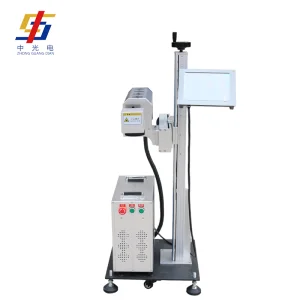
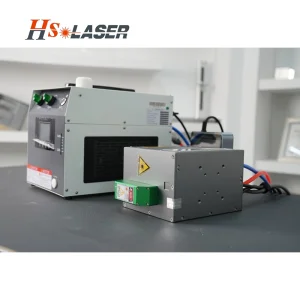
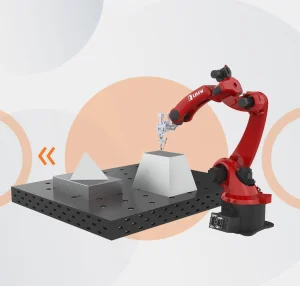
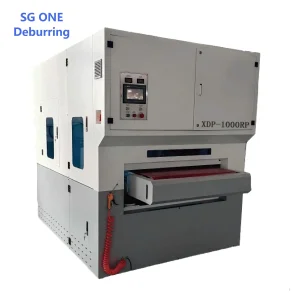
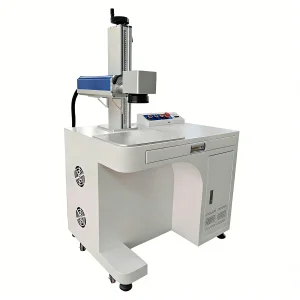
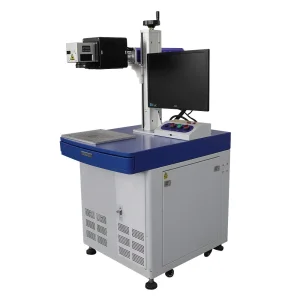
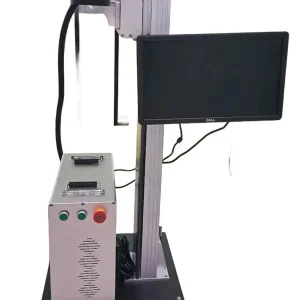
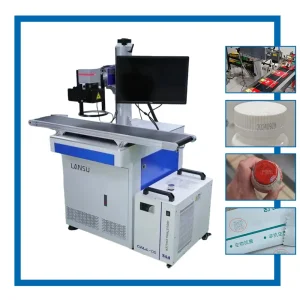
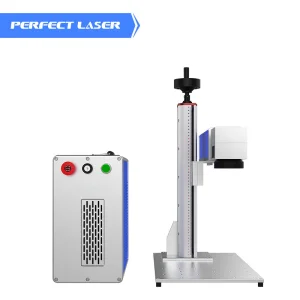
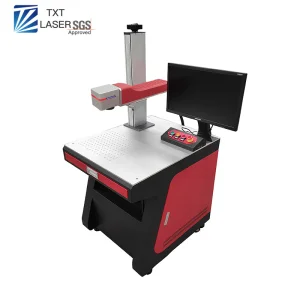
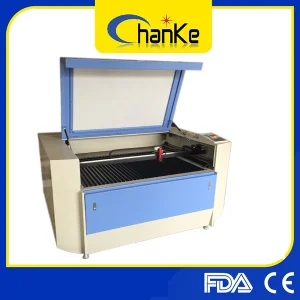
In the era of Industry 4.0, the demand for high-speed, permanent, and non-contact marking has catapulted Laser Marking Systems to the forefront of industrial manufacturing. Unlike traditional inkjet or mechanical engraving, modern laser systems offer unparalleled precision, zero consumables, and integration capabilities that define the modern smart factory.
Ningbo STYRL Laser Co., Ltd., a high-tech pioneer established in 2014, has witnessed this transition firsthand. From simple industrial coding to complex 3D deep engraving on specialized alloys, the technology has shifted towards intelligence, automation, and extreme pulse control. Today, high-speed laser marking is not just about speed; it's about the semantic integrity of data (UID, DataMatrix) and the material-specific interaction of photons.
Global procurement managers in 2024 are moving beyond "price-per-unit" towards Total Cost of Ownership (TCO) and Sustainability (ESG). The shift in global demand reveals three primary pillars:
Factories now require machines that can handle everything from delicate medical plastics using UV lasers to heavy-duty carbon steel with High-Power Fiber lasers. The "one machine, one material" era is over.
With "Marking-on-the-Fly" (MOTF) technology, systems must synchronize with conveyor speeds exceeding 200m/min without sacrificing legibility or contrast.
Automated optical inspection (AOI) integrated into the laser head allows for real-time error correction, ensuring 100% scannable QR codes in high-volume production lines.
A "High-Speed Laser Marking System" is no longer a standalone tool. In a modern factory context, it is a critical node in the data ecosystem. STYRL Laser provides holistic solutions that bridge the gap between hardware and MES (Manufacturing Execution Systems).
Where is laser technology heading? Our R&D center in Ningbo focuses on the following trajectory for the next 5 years:
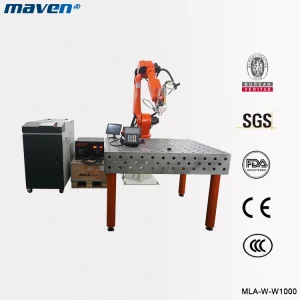
Exporting to Europe, Southeast Asia, or South America requires more than just shipping a box. Reliability is built on Compliance. STYRL systems are engineered to meet:

 STYRL Laser