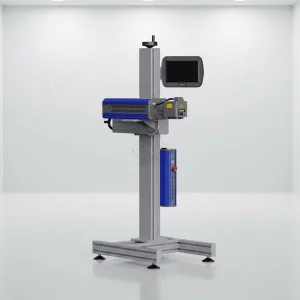
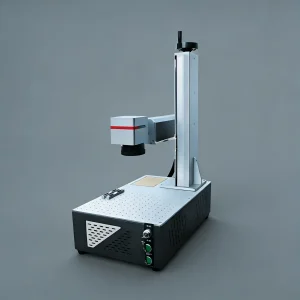
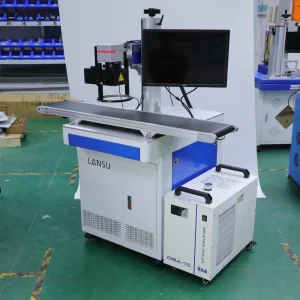
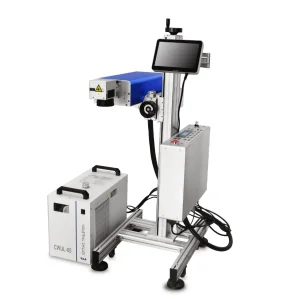
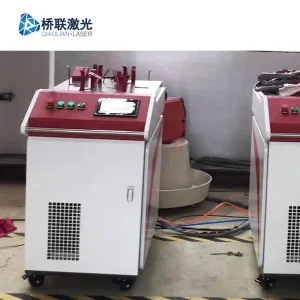
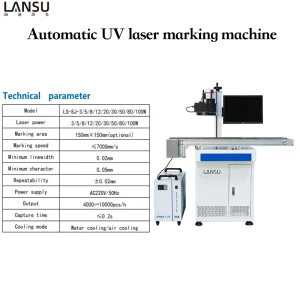
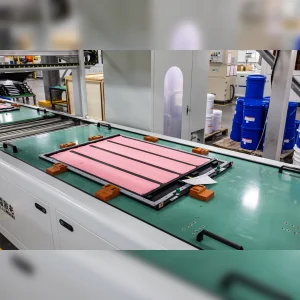
Explore our premium selection of industrial-grade laser welding, marking, and cutting configurations engineered for high-throughput assembly lines.
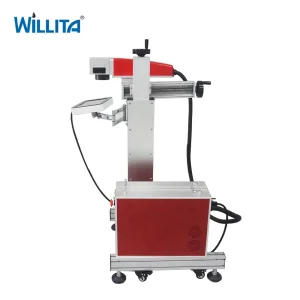
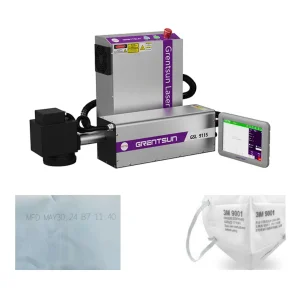
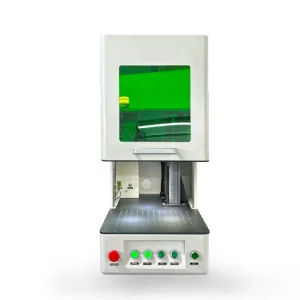
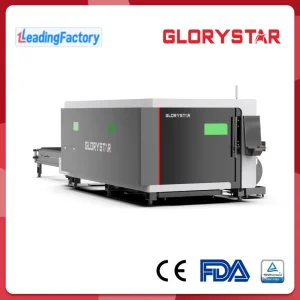
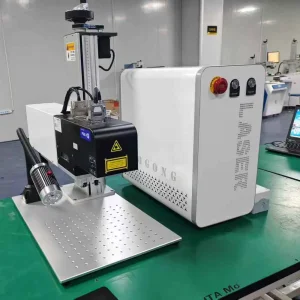
Founded in 2014 in Ningbo, China, Ningbo STYRL Laser Co., Ltd. has established itself as an elite high-tech enterprise specializing in precision optical engineering, laser system integration, and automation controls. Positioned globally as a premier Laser Marking Machine Manufacturer | Fiber Laser Engraving & Industrial Coding Solutions provider, we deliver industrial systems that satisfy rigorous technical protocols across multi-sector assembly lines.
By leveraging custom software controls, precision CNC machining frameworks, and field-tested optical components, we address the critical pain points of modern assembly operations. Our laser systems are widely implemented across the automotive, packaging, power storage (LFP cells), and medical device fabrication industries worldwide.
The global transition towards automation, high-capacity energy storage, and light-weight alloys is driving massive innovations in industrial laser processing.
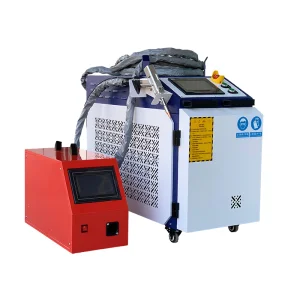
Adjustable beam trajectories control the melt pool width. This prevents crack formation, bridges wider assembly tolerances, and optimizes welding of dissimilar metals such as copper and aluminum.
Modern smart systems use photodiode and optical sensors to monitor thermal behavior, plasma emission, and spatter density during laser welding, assuring complete traceability.
Standard infrared lasers suffer from high reflectivity when working on highly conductive metals. Utilizing shorter blue (450nm) and green (515nm) wavelengths boosts absorption rates by up to 8x for pure copper.
Understanding procurement demands and engineering limitations is key to setting up a reliable, high-yield manufacturing facility.
A comparison of common wavelengths and technologies, helping engineers select the appropriate system for their materials.
| Laser Source Type | Typical Wavelength | Primary Material Compatibility | Key Applications | Key Performance Limiters |
|---|---|---|---|---|
| Fiber Laser (Welding / Marking) | 1064 nm - 1080 nm | Stainless steel, carbon steel, nickel, aluminum, titanium | Deep penetration structural joints, battery busbars, industrial direct part marking | High reflectivity on copper; heat-affected zones in micro-welds |
| UV (Ultraviolet) Laser | 355 nm | Glass, polymers, high-density polyethylene, sapphire, silicon | Cold marking, medical-grade packaging marking, PCB micro-drilling | Lower average power; restricted penetration depth |
| CO₂ Laser | 10,600 nm | Wood, acrylics, organic materials, leather, glass | Packaging date-coding, thick plastic trimming, wood engraving | Large focal spot sizes; consumable laser gas requirements in older models |
| Blue Laser | 450 nm | Pure copper, gold, brass, dissimilar metal stacks | EV battery tab-welding, thin foil joining, semiconductor components | High system hardware cost; lower depth-to-width ratios |
Our systems are engineered to function as integrated parts of complete production ecosystems.
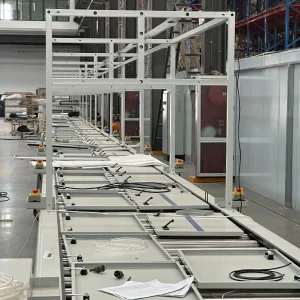
High-capacity battery systems require low-resistance, high-strength connections. Our Automated LFP Prismatic Cell to Pack Assembly Line with 6kw Welding solves the challenges of copper-to-aluminum busbar joining. By using dynamic beam oscillation (wobble welding) and high-power fiber lasers, we prevent the formation of brittle intermetallic phases. This process ensures low electrical resistance and maintains weld depth consistency within ±0.05 mm.
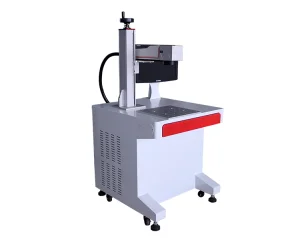
Surgical instruments, implants, and pharmaceutical glass require clean, sterilization-resistant markings. Our TCP IP Support Qrcode Support CO2 Laser Marking Machine and high-performance 10W UV Laser systems deliver high-contrast marks without modifying structural properties. These systems support secure, automated data transmission, allowing for direct communication with centralized ERP and MES database systems.
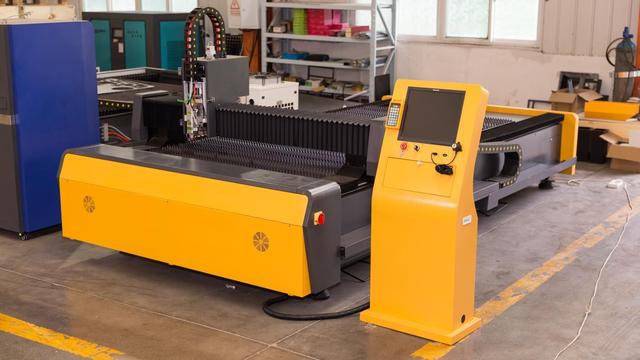
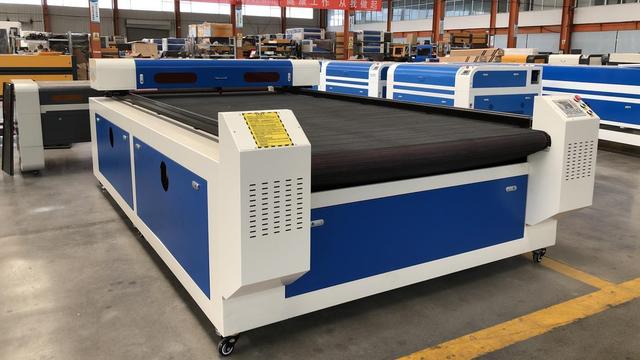
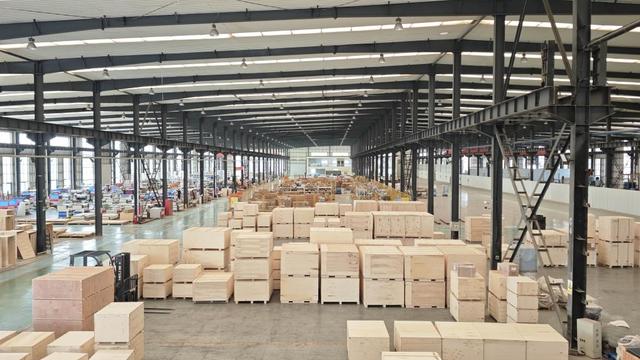
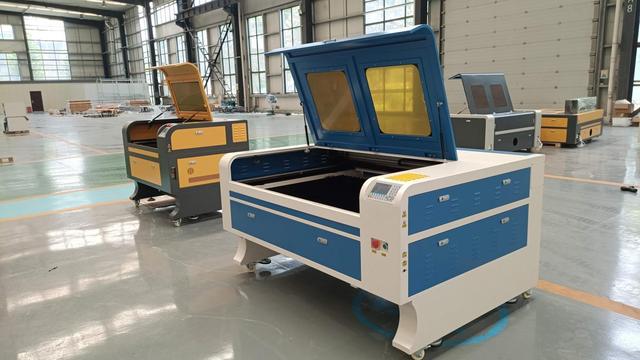
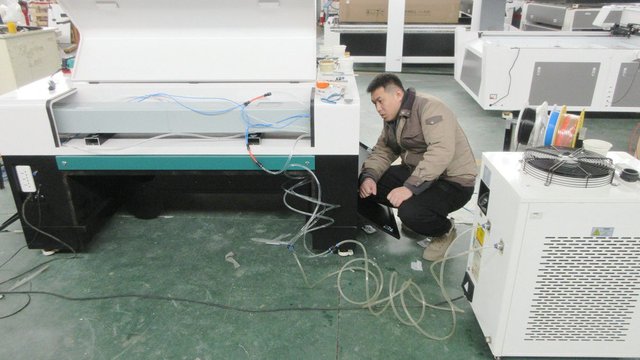
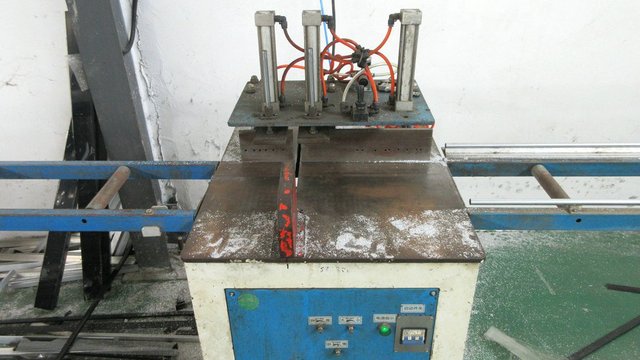
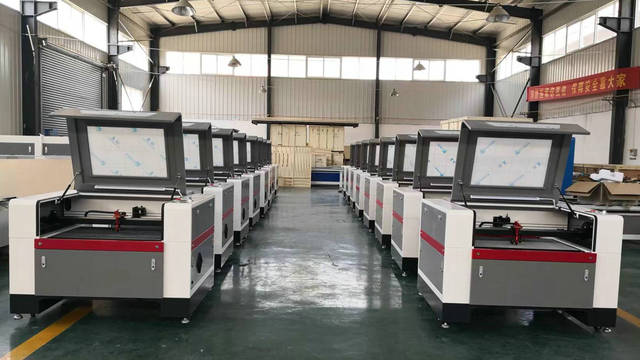
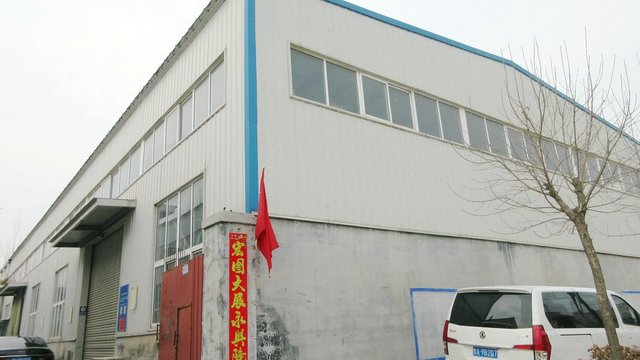
A window into Ningbo STYRL's production quality control, testing environments, and finished assemblies.
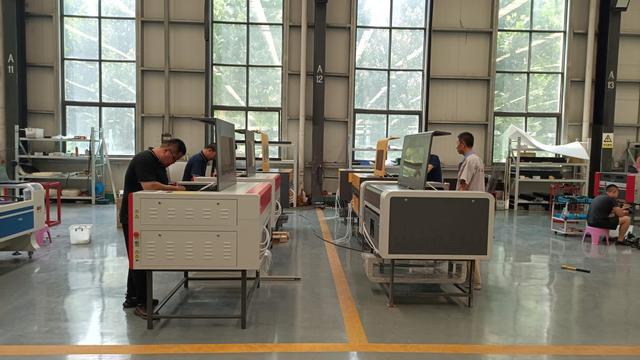
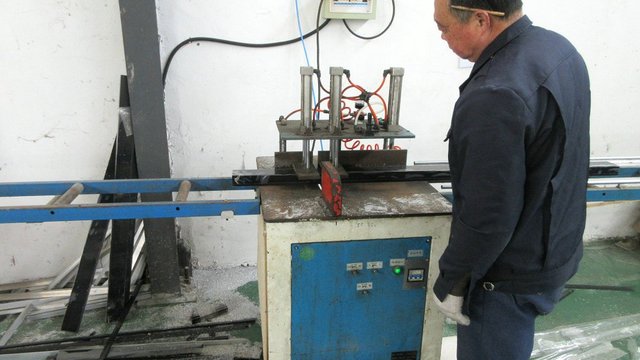
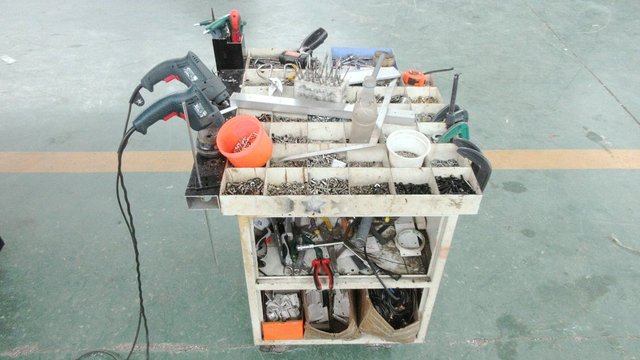
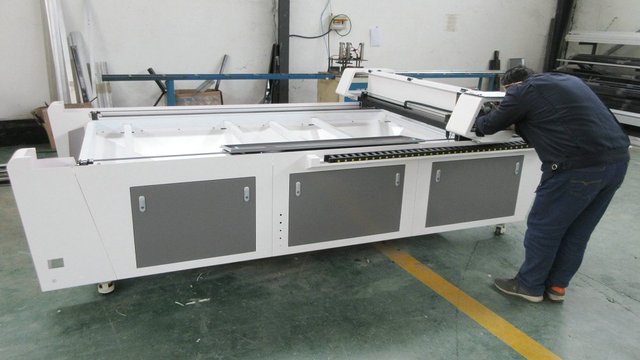
How we are designing future systems to meet the requirements of intelligent manufacturing.
Navigating global supply chain regulations and system commissioning demands structured planning. Ningbo STYRL provides comprehensive documentation, including FAT (Factory Acceptance Testing) records and IQ/OQ protocols for regulated medical and food packaging applications.
To reduce shipping costs and lead times, we maintain relationships with logistics hubs across Europe, Southeast Asia, South America, and the Middle East. All industrial systems are shipped in standard sea freight crates featuring anti-vibration packaging and vapor-barrier protections.
Additionally, we supply custom spare parts kits, which include spare galvo mirrors, protective glass slides, and clean-room maintenance tools, ensuring high uptime during planned servicing cycles.
Our software architectures comply with industry standards, allowing you to update system configurations without losing access to key control parameters. This open-architecture framework enables seamless firmware integrations as your production processes evolve.
Answers to technical questions regarding laser welding physics, beam selection, and equipment maintenance.
Explore our secondary line of industrial laser equipment, designed to work alongside automated material handling lines.
 STYRL Laser