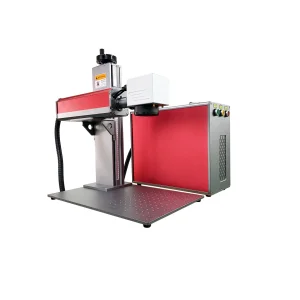
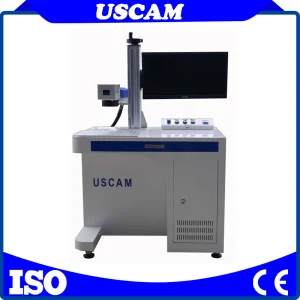
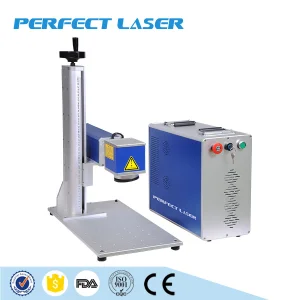
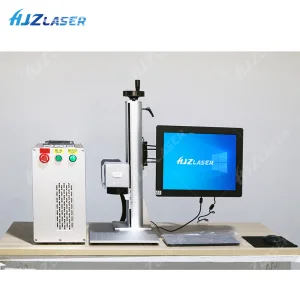
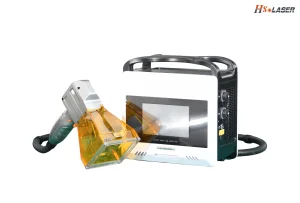
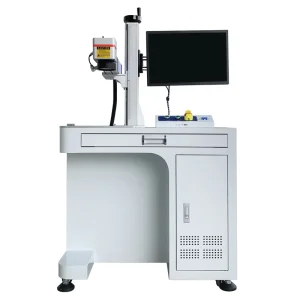
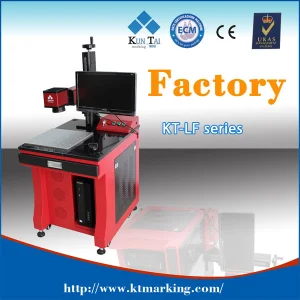
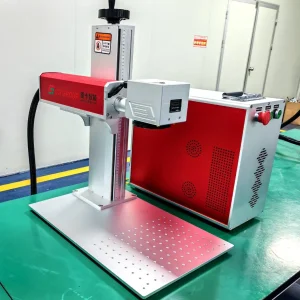
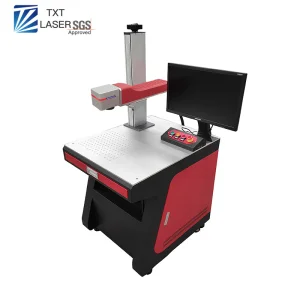
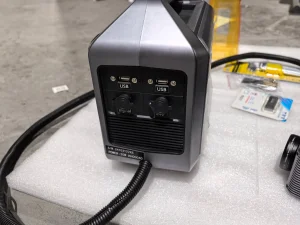
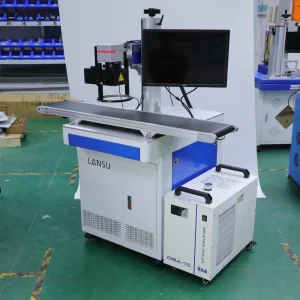
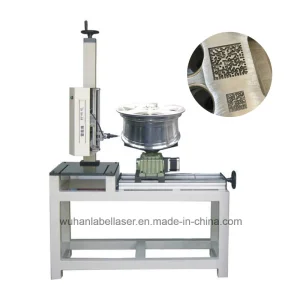
High-precision fiber laser marking configurations optimized for instant deployment across Maldivian maritime, logistics, and tourist infrastructure.
In modern global manufacturing, product traceability, anti-counterfeiting, and regulatory identification are indispensable. As the Maldives develops its transport nodes, premium aquaculture processing exports, and high-end hospitality sectors, traditional physical engraving or ink-based marking systems are failing to meet requirements. The main limitations of legacy methods include operational wear, chemical consumption, and high susceptibility to salt-mist degradation.
Fiber Laser Marking Technology utilizes a solid-state fiber cable doped with ytterbium as the gain medium. This configuration generates a coherent, high-intensity 1064nm wavelength laser beam, focused through a precision galvanometer scanner to modify the physical microstructure of the workpiece surface. Whether performing laser annealing, surface engraving, or coating ablation, fiber lasers offer sub-micron precision, zero consumables, and lifetime durability.
By choosing Ningbo STYRL Laser's machinery, businesses operating within the Maldives gain access to robust, tropicalized fiber lasers designed to withstand intense humidity, high ambient salinity, and continuous operations with minimal maintenance.
A comparison of industrial marking methods reveals why fiber lasers represent the superior technical roadmap for marine, resort, and export environments:
| Parameters | Fiber Laser | CO₂ Laser | Ink-Jet Printing |
|---|---|---|---|
| Target Materials | Metals & Hard Polymers | Organics & Glass | All Surfaces |
| Salt-Mist Durability | High (Sub-surface) | Medium | Low (Fades/Peels) |
| Consumables Cost | Zero ($0) | Zero ($0) | High (Inks/Solvents) |
| Operational Life | >100,000 Hours | ~25,000 Hours | Frequent Maintenance |
Aligning laser technology with the unique macro-economic drivers of the Maldives, from luxury tourism to marine engineering.
Saltwater corrosion resistance is critical. Permanent laser annealing prevents oxide layer destruction on boat components, engines, and hulls.
High-speed conveyor lasers enable seafood exporters to trace products. Print barcodes, QR codes, and batch data directly onto aluminum cans and poly packaging.
Personalize luxury guest experiences. High-precision engraving on metal flasks, room keys, culinary cutlery, and marine grade fixtures.
Maldives' industries face a major challenge: atmospheric humidity combined with high salinity, which accelerates chemical corrosion on mechanical markings. Conventional stickers peel off, ink fades or dissolves, and mechanical scratching creates micro-cracks that harbor rust.
Our fiber laser systems resolve this issue by executing laser metal annealing. This process uses controlled thermal energy to heat the surface of metals like stainless steel (AISI 316 grade) or titanium, inducing a localized oxide layer transformation. This changes the color of the metal without removing material, preventing micro-crevice corrosion and ensuring the structural integrity of the parts.
How Ningbo STYRL Laser integrates global standards into local operations in South Asia.
Modern manufacturing relies on automation. STYRL's fiber lasers are equipped with industry-standard communication protocols, including RS232, TCP/IP, and Modbus interfaces. This allows seamless integration into automated production lines, such as packaging lines and custom engraving stations.
Whether deployed in the capital, Malé, or at remote resort developments, our machinery can be controlled via standard software APIs. This enables automated batch rendering, real-time data feeding from databases, and direct interface with QR code generators.
Global market penetration demands rigorous regulatory compliance. The seafood processing, medical instrumentation, and electronics assembly sectors must meet strict regulatory standards to clear international customs:
Empowering Global Industries with Advanced Laser Engineering Since 2014
Ningbo STYRL Laser Co., Ltd. is a high-tech enterprise specializing in laser processing technology, positioned as a Laser Marking Machine Manufacturer | Fiber Laser Engraving & Industrial Coding Solutions provider. The company focuses on delivering high-precision, efficient, and stable laser systems widely used in electronics, automotive parts, metal fabrication, packaging, medical devices, and industrial manufacturing sectors.
Founded in 2014 in Ningbo, China, STYRL Laser started as a small laser equipment integration workshop focusing on industrial marking applications. With the rapid development of smart manufacturing and industrial automation, the company expanded its product scope into fiber laser marking systems, CO₂ laser solutions, UV laser marking equipment, and advanced laser welding technologies. By 2018, STYRL had established a complete production and R&D system covering optical design, control software, and machine assembly.
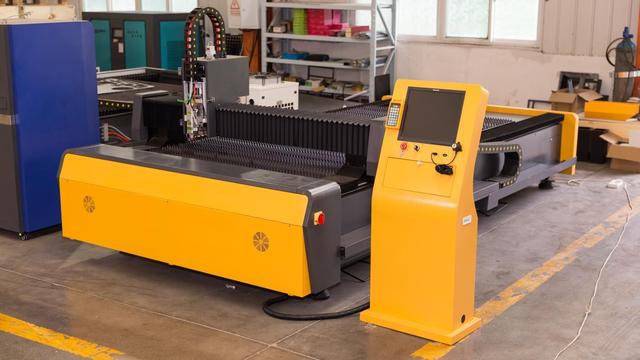
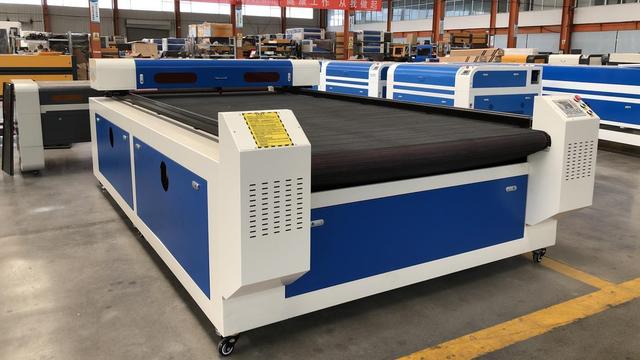
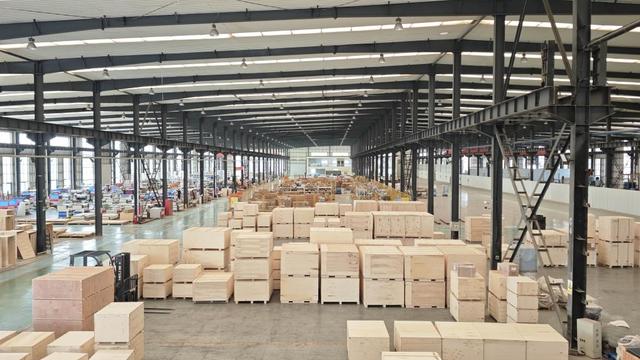
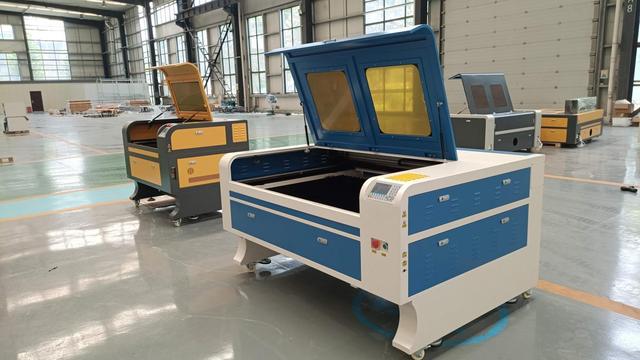
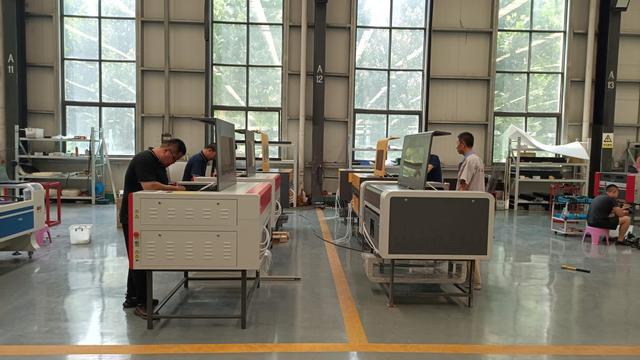
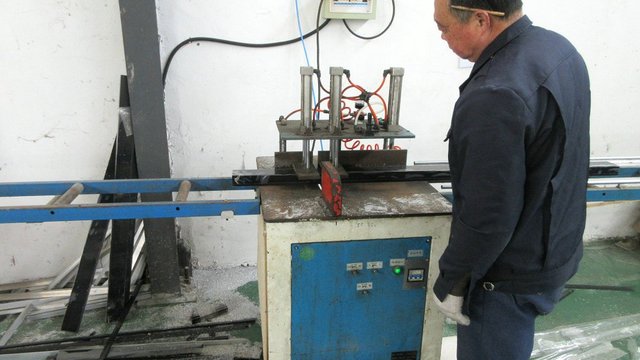
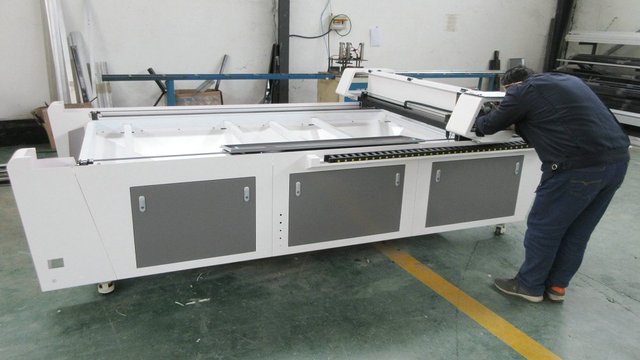
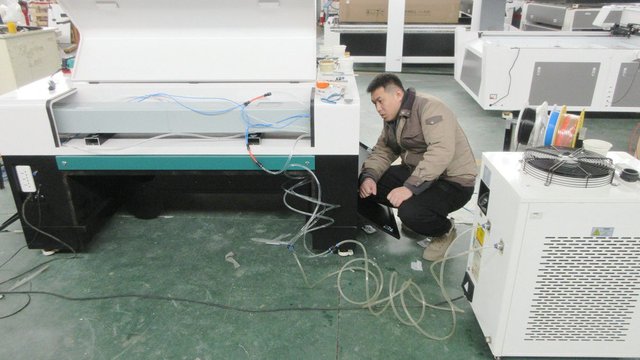
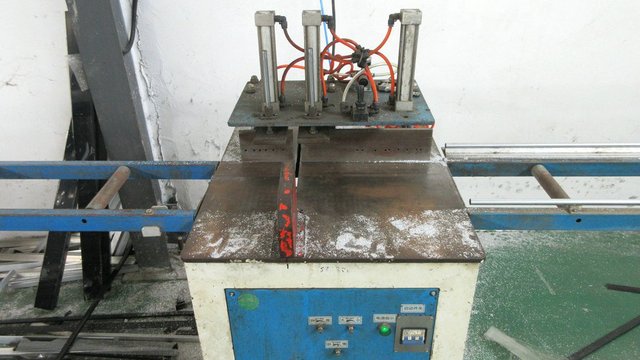
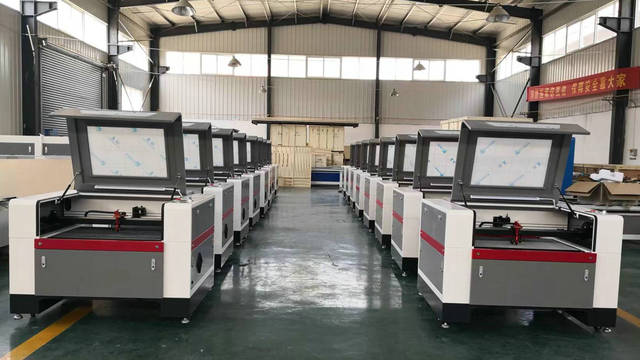
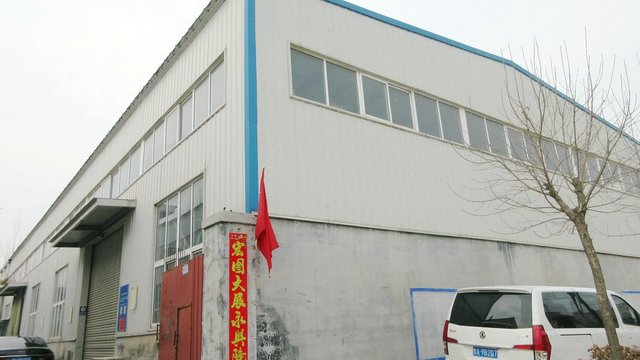
Today, the company operates modern manufacturing facilities equipped with precision optical testing systems, CNC machining centers, and automated assembly lines. Its laser solutions are designed for high-speed operation, deep engraving accuracy, and long-term industrial stability, meeting the strict requirements of global manufacturing industries. Ningbo STYRL Laser Co., Ltd. continues to serve customers across Europe, Southeast Asia, the Middle East, and South America. With a strong commitment to innovation, quality, and intelligent manufacturing, the company is dedicated to advancing laser technology and providing reliable industrial laser marking and coding solutions for global customers.
Guaranteed transit routes, anti-humidity logistics configurations, and remote service systems for the Maldives.
Shipping high-end optical components to the Maldives requires careful planning. Salt mist and moisture can damage optical components during maritime transit. At STYRL, we pack every export unit using a multi-layer climate control process:
We provide comprehensive installation, operation, and troubleshooting support for our machines:
Expert technical answers regarding the deployment of fiber laser systems in tropical environments.
Browse our selection of desktop, high-speed fly-marking, and heavy-duty deep engraving equipment.
 STYRL Laser