STYRL Laser
1 / 5
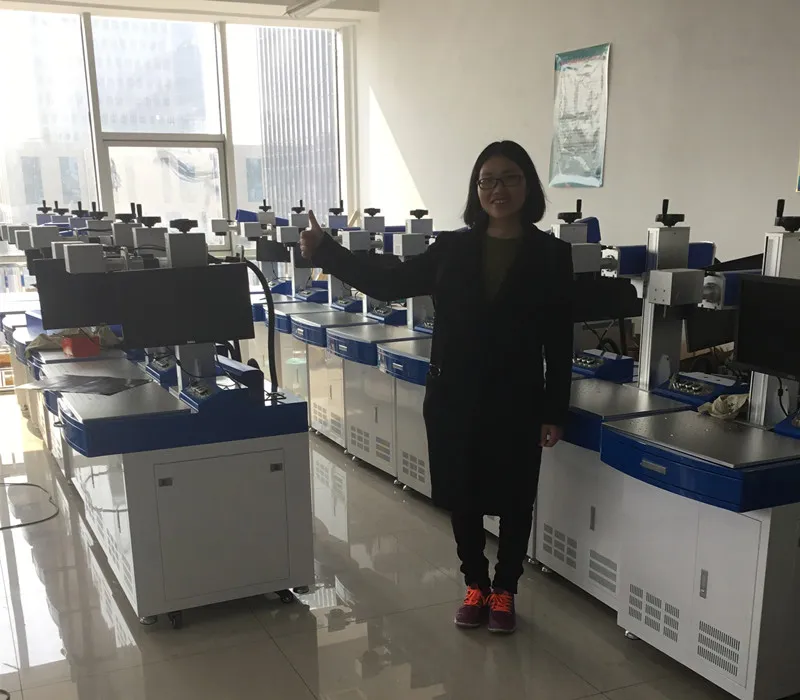
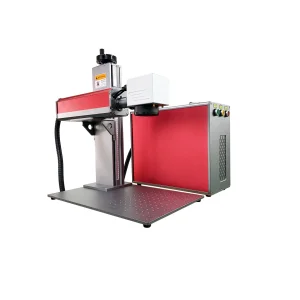
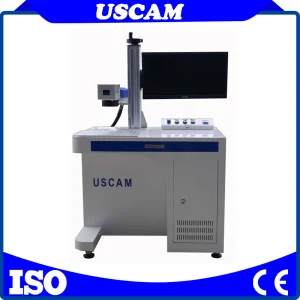
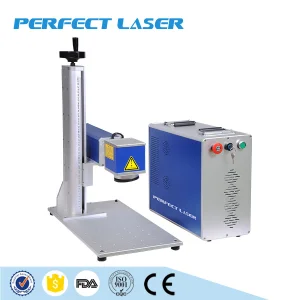
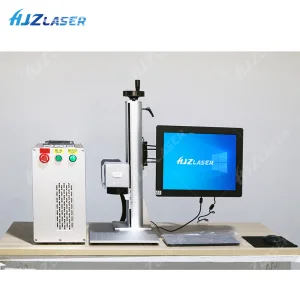
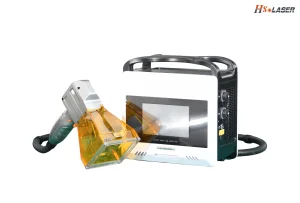
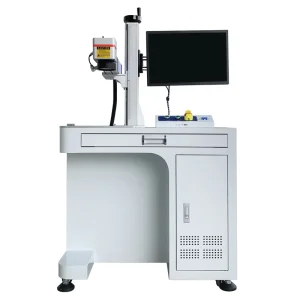
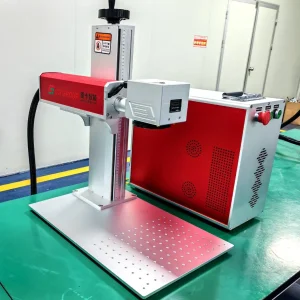
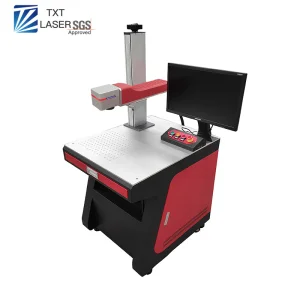
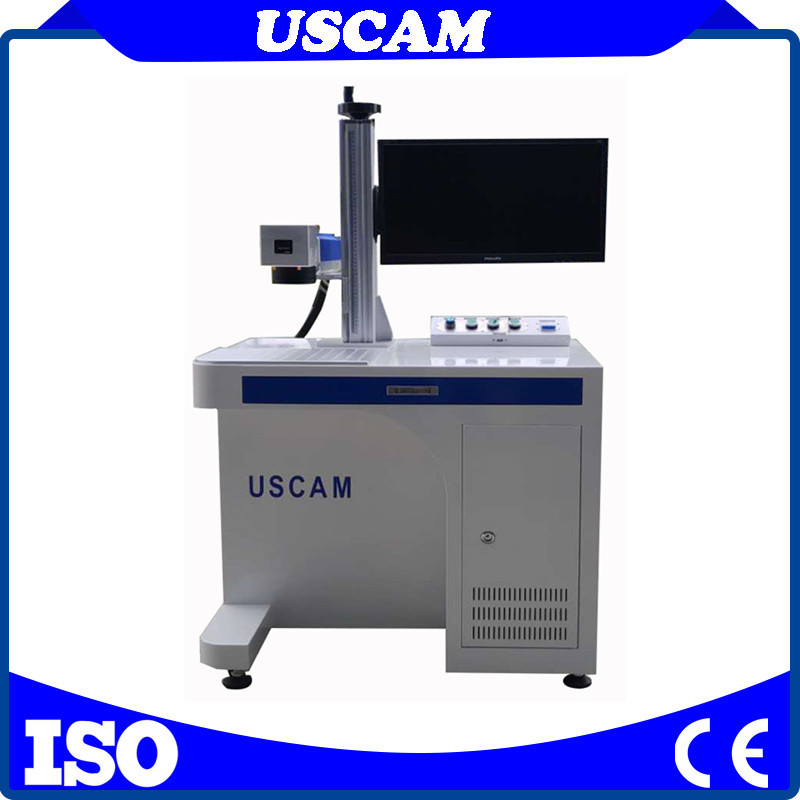
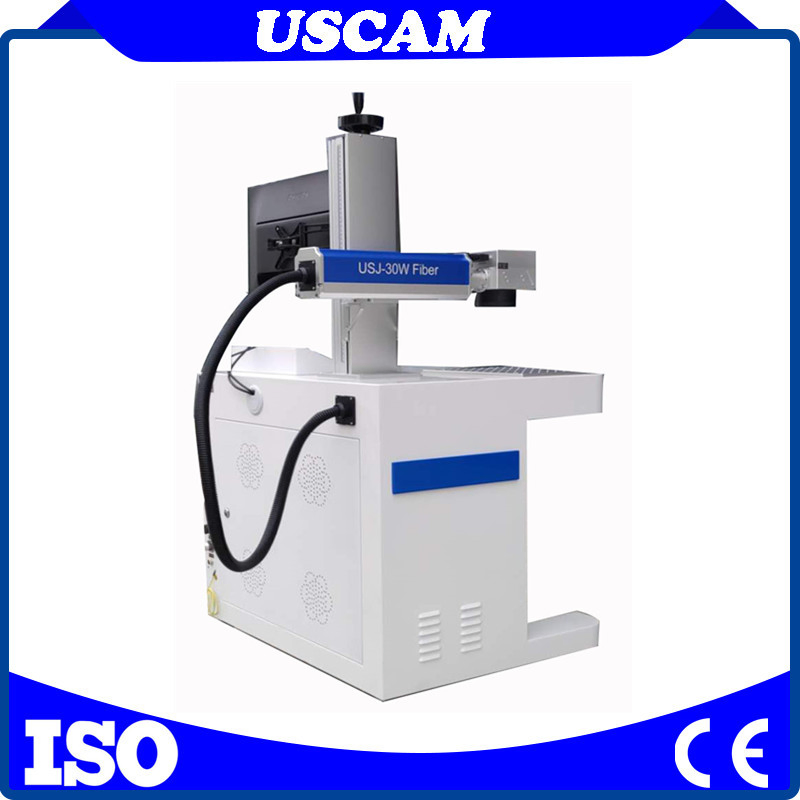
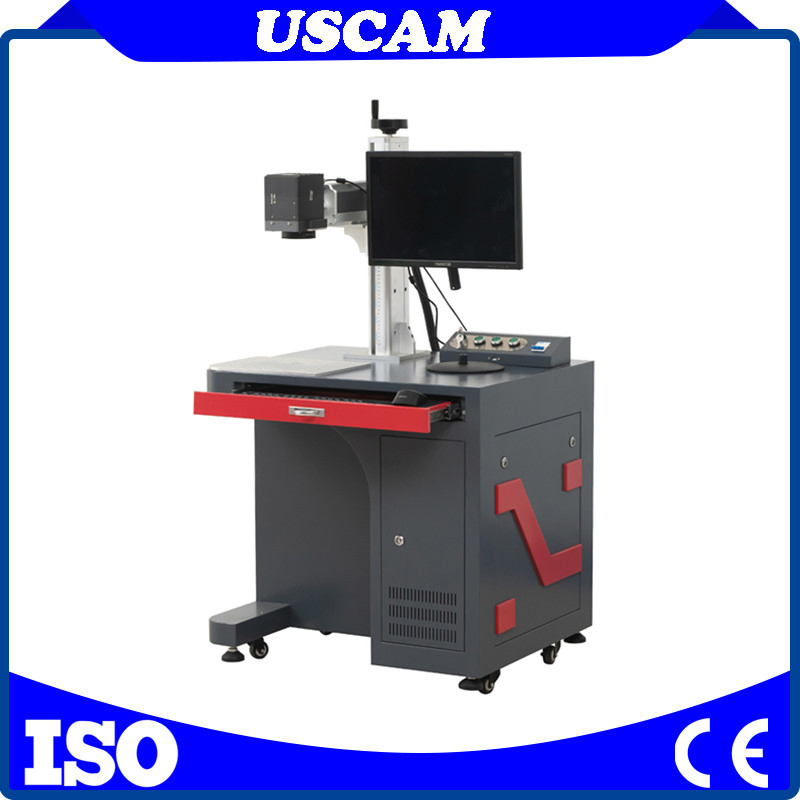
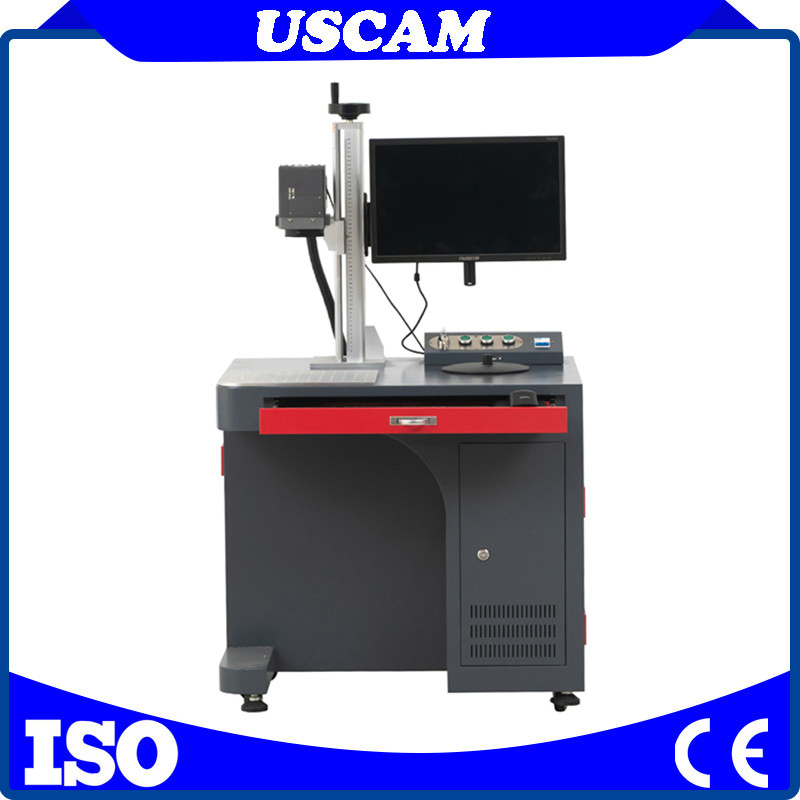
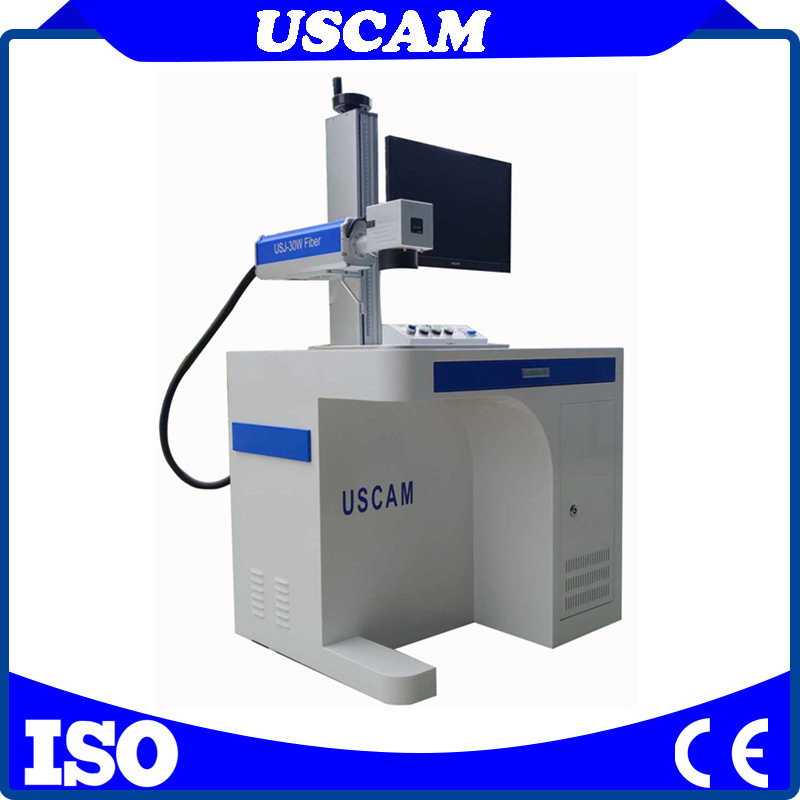
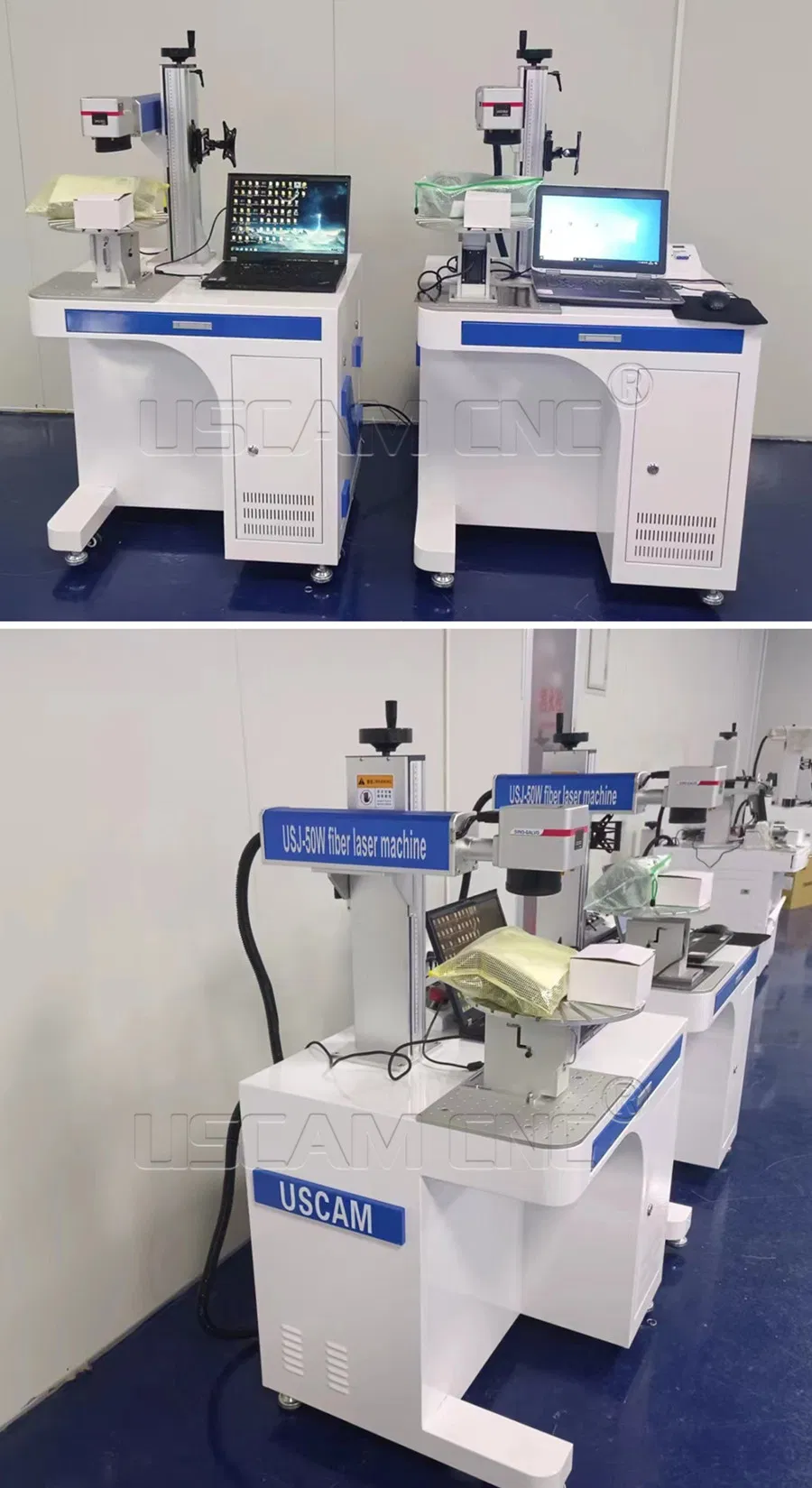
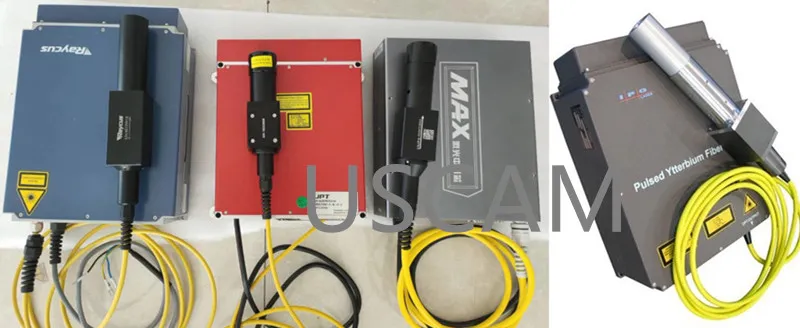
Working Principle: Fiber laser marking machines use laser beams to permanently mark the surface of various materials. The effect of marking is to expose deep material through evaporation, or to "engrave" traces via chemical and physical changes. It is ideal for high-precision applications including electronic components, integrated circuits (IC), hardware, jewelry, and auto parts.
Key Advantages: Small size, air cooling (no water cooling device needed), superior beam quality, and maintenance-free operation.
| Parameter Item | Details / Values |
|---|---|
| Marking Speed | ≤7000mm/s |
| Marking Depth | ≤0.4mm |
| Min. Line Width | 0.01mm |
| Min. Character | 0.15mm |
| Repeatability | ±0.002mm |
| Pulse Frequency | 20-100KHz |
| Graphic Formats | BMP, JPG, GIF, TGA, PNG, AI, DXF, PLT, etc. |
| Power Consumption | ≤1.2KW |
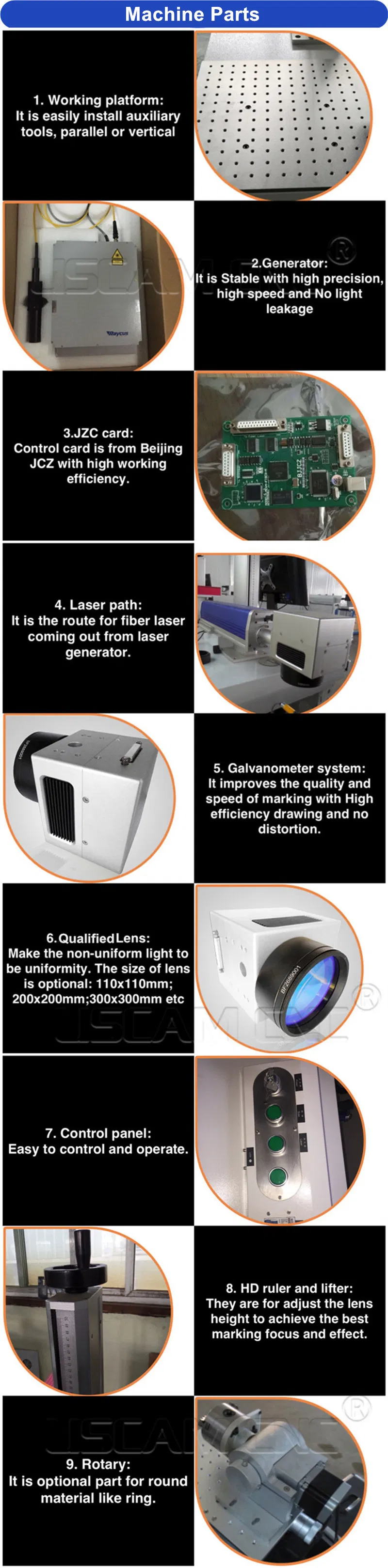
This equipment is widely used in high-volume production lines and precision fields such as aerospace, medical instruments, electronic components (IC), mobile communications, and PVC piping.
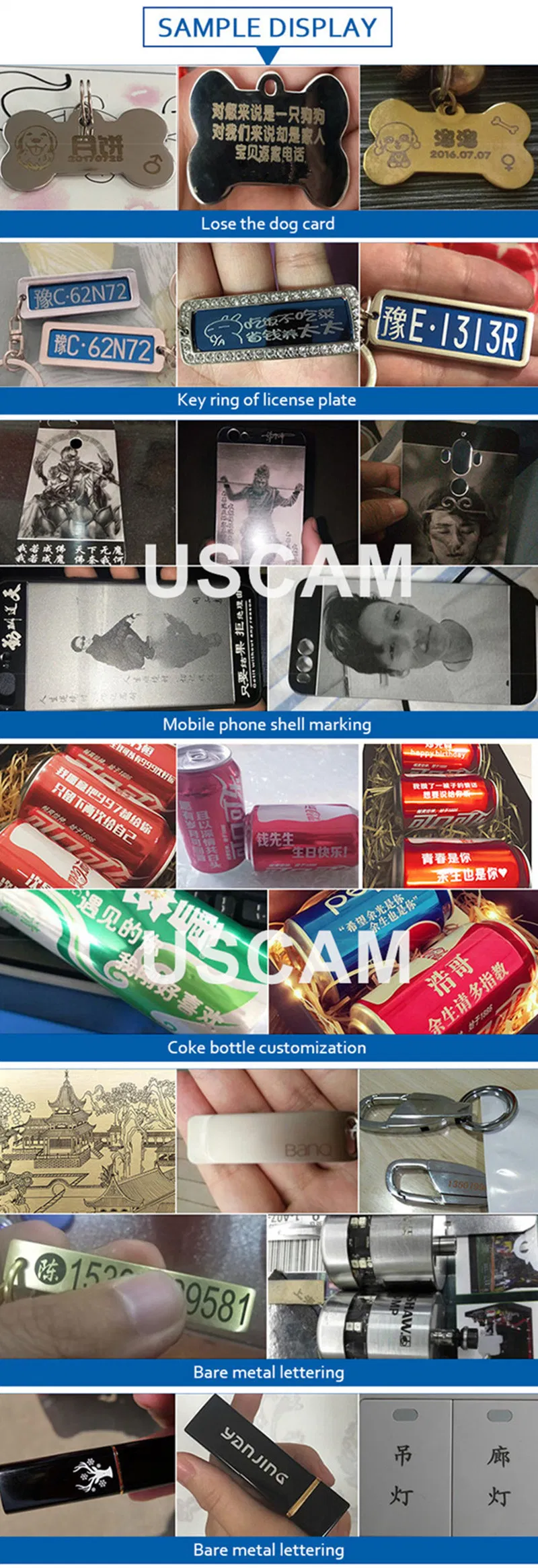
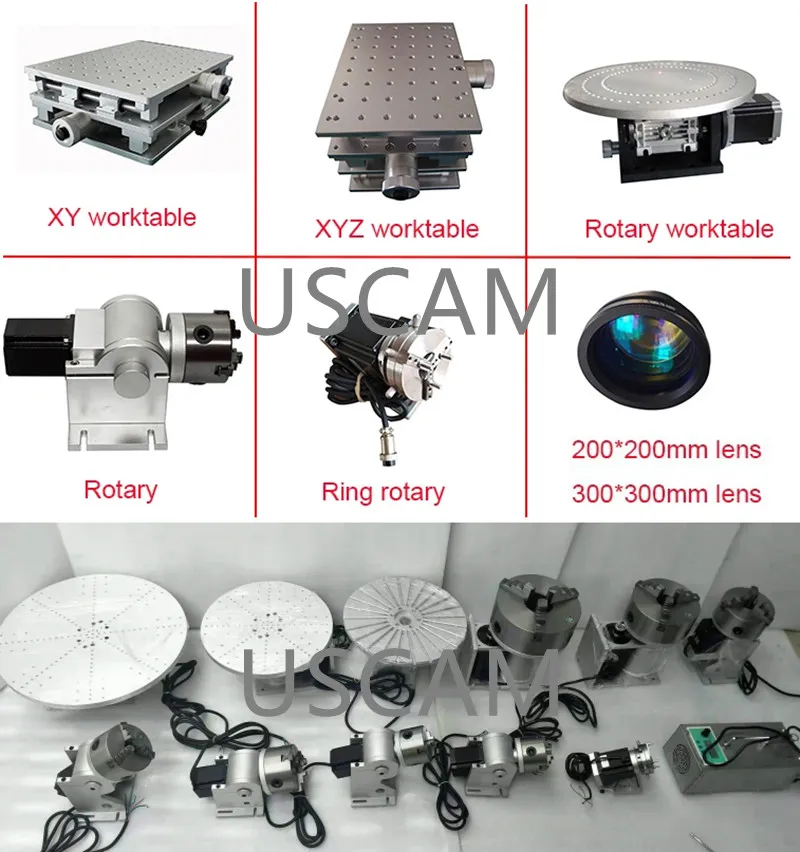
| Lens Model | Marking Size | Available Power |
|---|---|---|
| F160 | 110*110mm | 20w/30w/50w |
| F210 | 150*150mm | 20w/30w/50w |
| F290 | 200*200mm | 20w/30w/50w |
| F430 | 300*300mm | 30w/50w |
| F580 | 400*400mm | 50w |
| Material Type | CO2 Laser | Fiber Laser |
|---|---|---|
| Metals (Steel, Alum, Brass) | No | Yes (√) |
| Wood / Leather | Yes (√) | No |
| Acrylic / Glass | Yes (√) | No |
| ABS / Plastics | Yes (√) | Yes (√) |
| Carbon Fiber | No | Yes (√) |