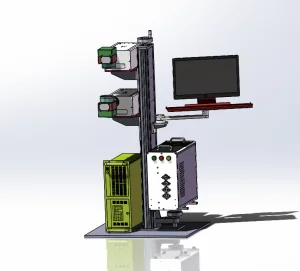
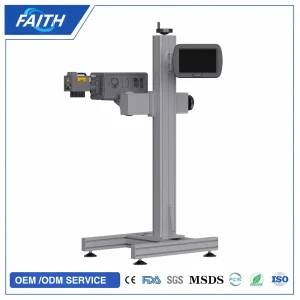
Explore our flagship industrial-grade laser platforms engineered for surgical marking precision, high-speed deep engraving, and automated production environments.
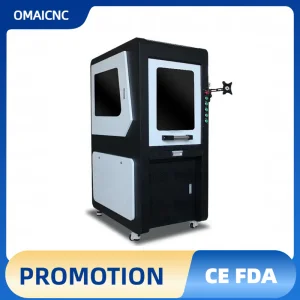
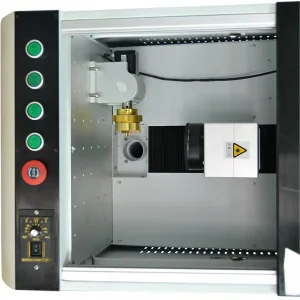
Ningbo STYRL Laser Co., Ltd. is a high-tech enterprise specializing in laser processing technology, globally recognized as a leading Laser Marking Machine Manufacturer, and an innovative provider of Fiber Laser Engraving & Industrial Coding Solutions. We design, manufacture, and integrate high-precision, highly stable, and cost-efficient industrial systems tailored to modern manufacturing requirements.
Founded in the industrial hub of Ningbo, China in 2014, STYRL Laser has evolved from a specialized optical integration workshop into an international exporter. Our deep vertical integration includes optical path layout, custom firmware development, precision CNC mechanical assembly, and advanced automation engineering. We supply direct industrial equipment to aerospace, automotive components, medical device marking, power storage pack production, and high-volume packaging factories.
Operating a modern facility with advanced testing instrumentation (including laser power meters, beam profiling cameras, and sub-micron positioning calibration tables), STYRL Laser adheres to rigorous quality control frameworks. Our systems deliver long-term operational uptime, micro-scale accuracy, and high throughput under harsh factory conditions.
Industrial laser engraving is not a one-size-fits-all process. The physical interaction between the laser beam and the material substrate is governed by absorption curves. Selecting the wrong laser source leads to micro-cracking, structural deformation, and lack of contrast.
Best For: Steel, Aluminum, Titanium, Brass, Copper, and high-density polymers.
Mechanism: Utilizing a continuous or pulsed Ytterbium-doped fiber source to generate deep, high-contrast marks via heat-induced surface displacement or annealing.
Best For: Medical needles, silicon wafers, ultra-thin plastics, PCBs, and glass.
Mechanism: Ultraviolet photons break the chemical bonds within the material's surface directly, causing zero thermal damage. Known as "cold processing" or photo-ablation.
Best For: Wood, Acrylic, Leather, Textiles, Paper, and Organic materials.
Mechanism: Gas-discharge laser source emitting in the far-infrared spectrum. High absorption in organics, delivering clean vector cutting and raster engraving.
Our location in Ningbo, China grants us access to one of the most advanced manufacturing clusters in the world. As the site of the world’s busiest port in terms of cargo tonnage, this coastal industrial zone enables unmatched shipping logistics, raw materials sourcing, and talent acquisition.
By keeping all manufacturing processes—from high-grade aluminum frame machining, electronic harness assembly, to final optical alignment—within our centralized factory, STYRL Laser reduces third-party markups and guarantees vertical quality control. Our localized network allows us to source premium optical components, laser diodes, and galvo-scanner systems at high volume, translating to significant capital expenditure savings for our global distributors and buyers.
Our custom software integration and modular equipment designs mean we can rapidly scale up production runs. This agility ensures that high-volume orders for multi-axis robotic laser cells or industrial assembly lines are manufactured, certified, and shipped with minimal lead times compared to Western counterparts.
Compliance and risk mitigation are critical components of enterprise machinery sourcing. STYRL Laser integrates international safety standards into every chassis to meet strict regulatory landscapes.
All exported laser engraving systems and marking machines comply with:
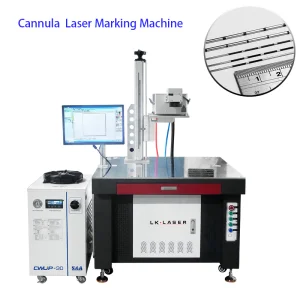
For medical device printing (biopsy puncture needles, cannulas, and orthopedic implants), our UV and fiber systems comply with UDI marking requirements, ensuring permanent, biocompatible, corrosion-resistant passivated markings.
To bridge the distance, we offer robust support protocols:
Our equipment operates at the core of crucial manufacturing sectors, providing high precision and reliability across diverse industries.
Our Mini Fiber UV Picosecond Laser Marking Machines are optimized for surgical instruments, biopsy puncture needles, and catheters. The 355nm wavelength achieves high-contrast, zero-carbonization marks that survive repeated autoclave sterilization cycles, satisfying FDA requirements.
For EV battery assemblies, our Fully Automatic Lithium Battery Pack Assembly Lines integrate high-speed fiber laser welding. These systems weld copper and aluminum busbars with precise depth and minimal heat input, preventing thermal damage to the underlying lithium cells.
High-contrast laser engraving of QR codes, manufacturing batch numbers, and logos on hardened tool steels, casting iron, and anodized aluminum parts. Integrated sensors automatically adjust focal distance, compensating for variable casting geometries.
The industrial laser processing landscape is transitioning toward intelligent automation. The era of manual focus adjustments and stand-alone laser markers is giving way to interconnected, sensor-rich environments.
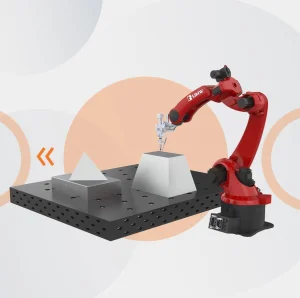
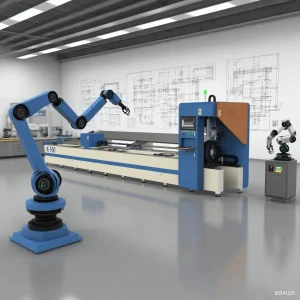
1. Robotic Automation & Multi-Axis Integration: The integration of articulated robot arms (such as our 6 Axis Industrial Welding Robot) with laser heads allows for complex, 3D path etching and welding. This setup eliminates the need for expensive multi-axis gantry systems, providing flexible processing for low-volume, high-mix production runs.
2. AI-Driven Vision Inspection: Modern production lines increasingly integrate coaxial vision systems directly into the optical path of the laser. These systems capture real-world object orientations, instantly calculating and adjusting the marking path before the laser fires. This prevents misalignment errors, reducing scrap rates in high-value electronic and medical part marking.
3. Transitioning from Nanosecond to Picosecond/Femtosecond Processing: The demand for high-contrast markings on sensitive electronics, semiconductor wafers, and surgical implants has accelerated the adoption of ultra-short pulse (USP) lasers. By keeping pulse durations in the picosecond or femtosecond domain, material is vaporized without melting, eliminating burrs and thermal deformation.
At STYRL Laser, we align our R&D with Industry 4.0 requirements. Our control software supports standard communication protocols, including Modbus, Profinet, TCP/IP, and OPC UA, allowing seamless connection between our laser machines and your factory MES/SCADA systems.
All control software updates are provided free of charge for the operational lifetime of the equipment.
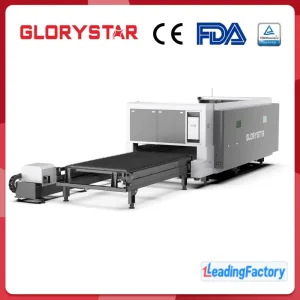
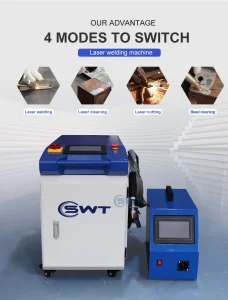
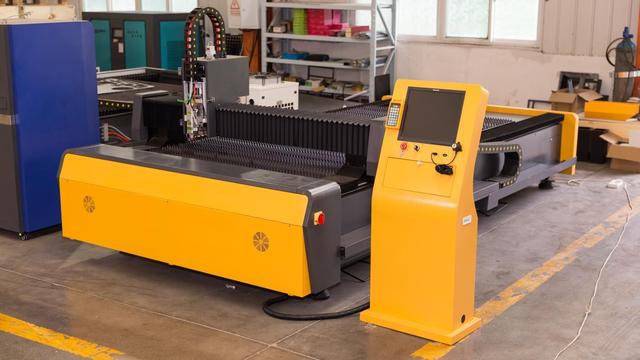
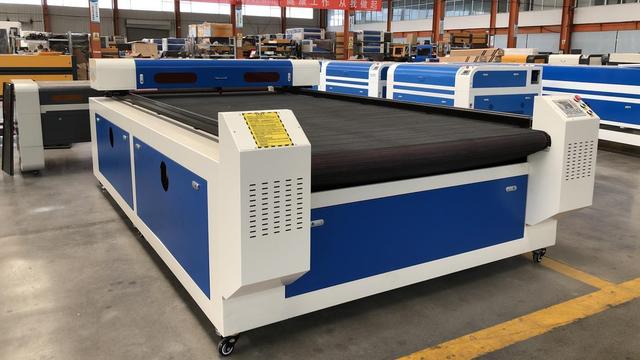
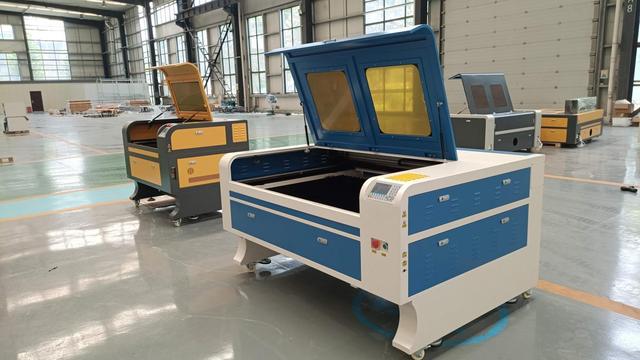
Our modular equipment portfolio covers everything from handheld marking systems to fully integrated, heavy-duty laser cutting and battery assembly platforms.
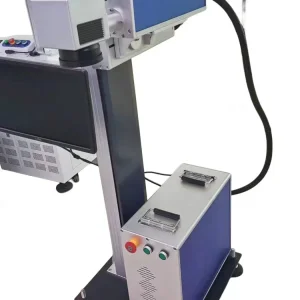
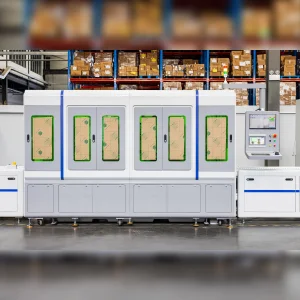
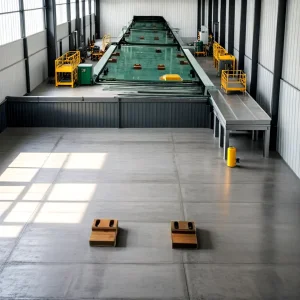
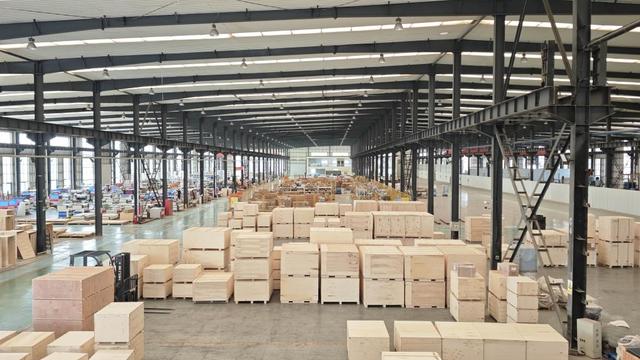
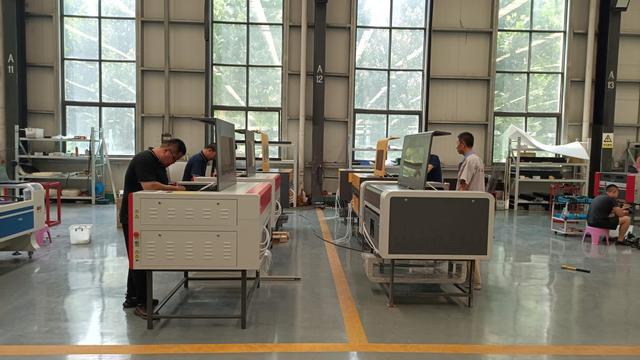
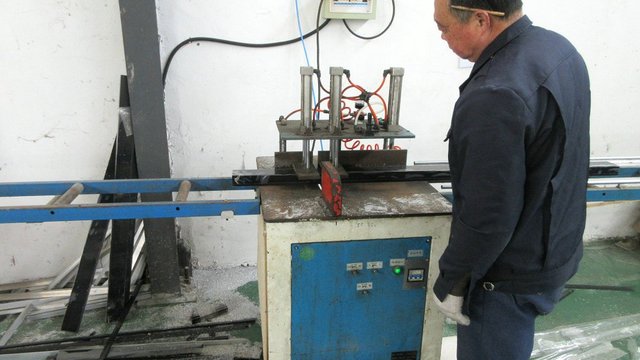
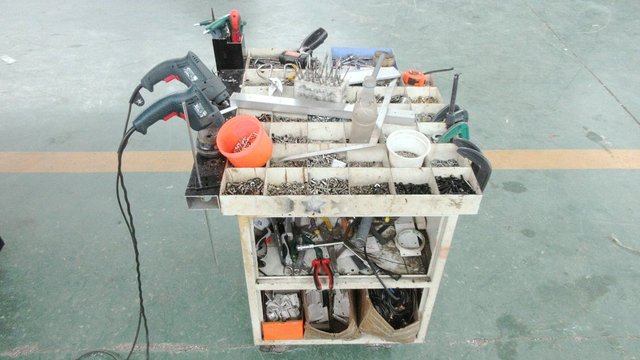
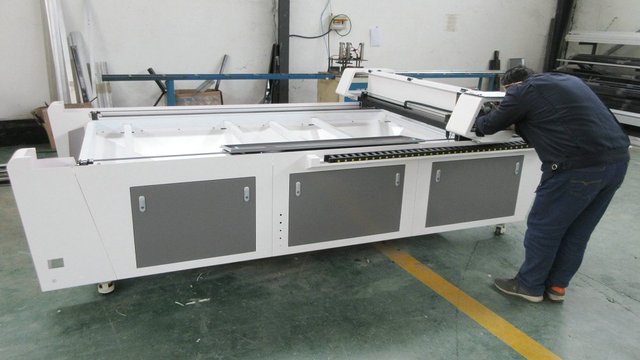
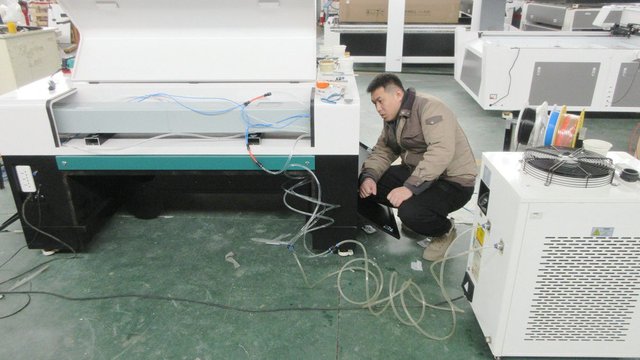
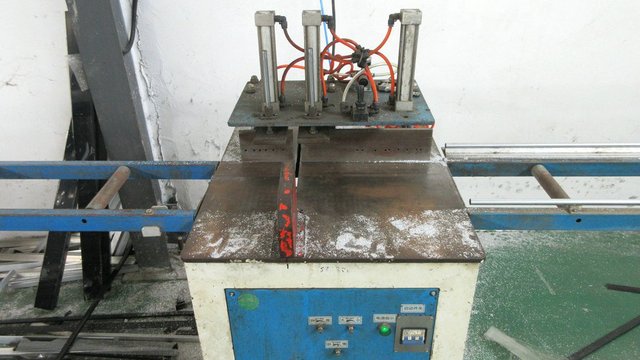
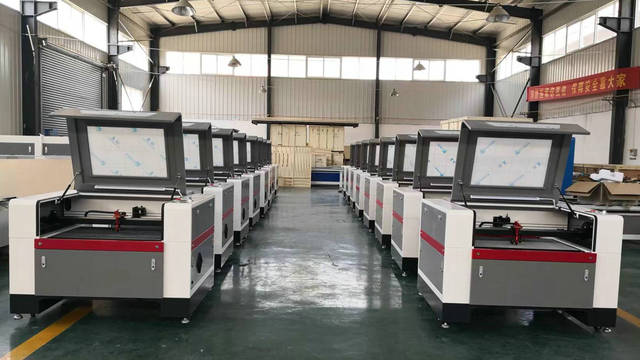
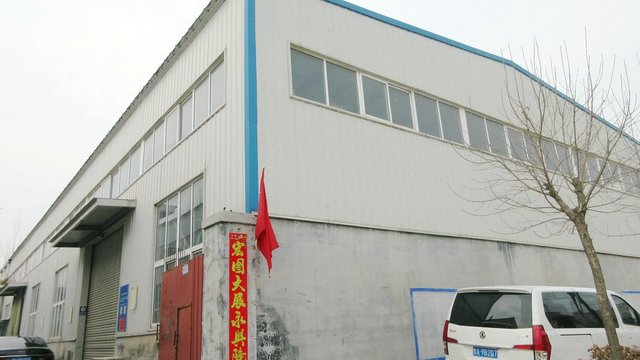
Step inside STYRL Laser's production facilities. We maintain clean-room environments, optical assembly stations, and machine testing areas to ensure top performance.
 STYRL Laser