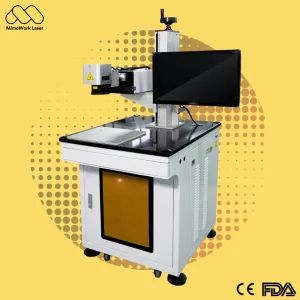
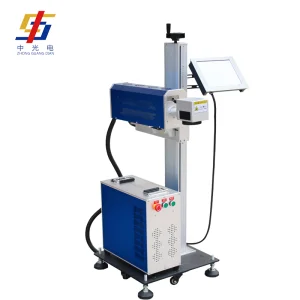
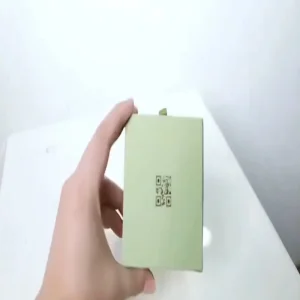
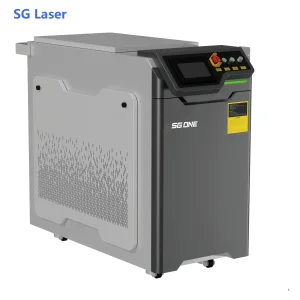
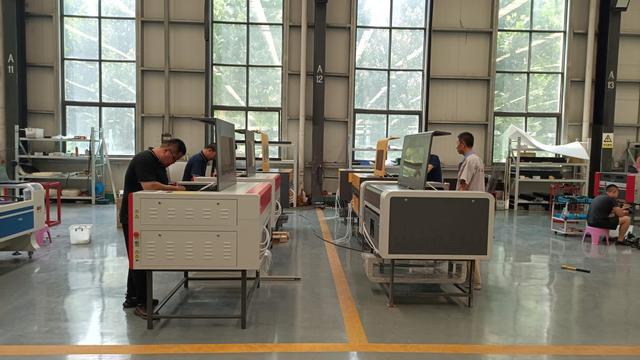
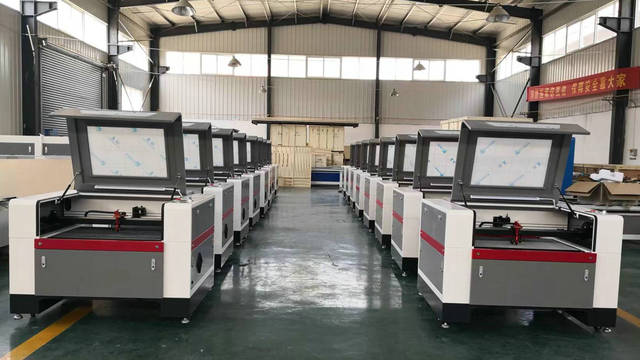
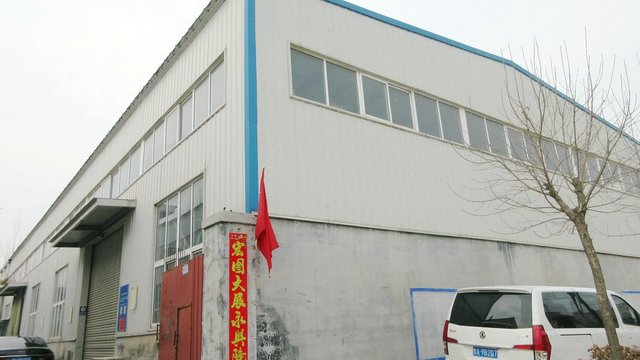
Founded in the advanced industrial heartland of Ningbo, China, Ningbo STYRL Laser Co., Ltd. has evolved from an integration workshop into a globally recognized high-tech pioneer. Specializing in advanced laser processing, our engineering focus encompasses precision optical design, control software development, and complete electro-mechanical assembly systems.
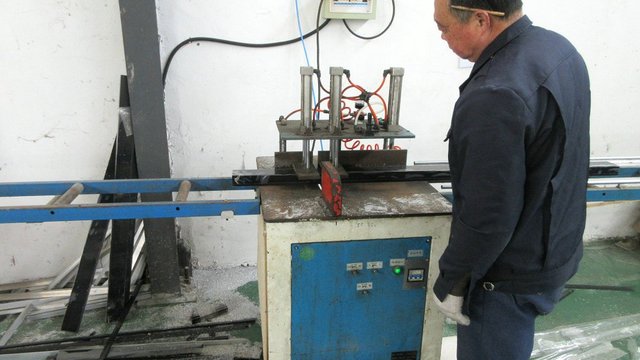
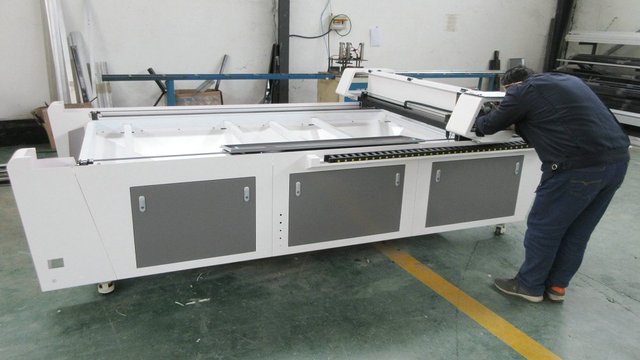
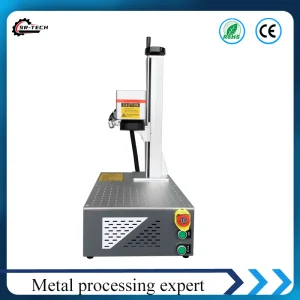
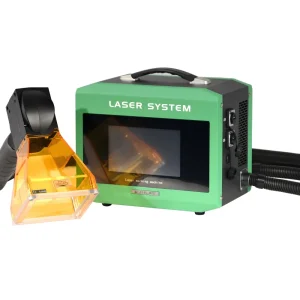
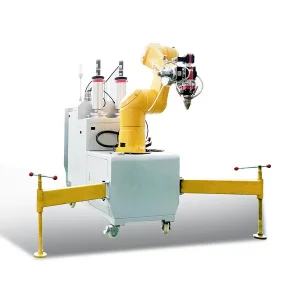
Today, STYRL operates state-of-the-art testing chambers, high-grade optical alignment labs, and automated assembly operations. Our product portfolio spans industrial fiber markers, UV cold lasers, high-performance CO₂ markers, advanced laser welders, and heavy-duty robotic cladding systems. With strict compliance under CE, FDA, and ISO 9001 guidelines, we provide systems built for continuous 24/7 assembly-line duty cycles.
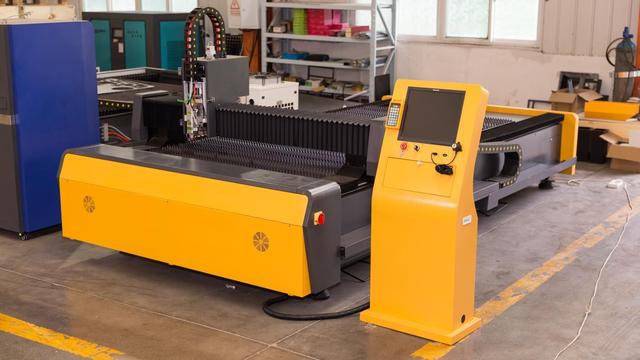
Industrial packaging and healthcare manufacturing increasingly rely on 355nm UV lasers. Operating via photochemical ablation rather than thermal vaporization, UV cold-marking avoids structural compromise in polymers and glass substrates.
Traditional Q-switched lasers are giving way to MOPA lasers, which offer adjustable pulse durations (2ns to 500ns). This enables high-contrast black marking on anodized aluminum and color marking on stainless steel components.
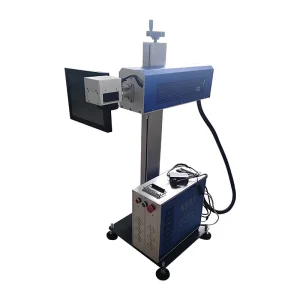
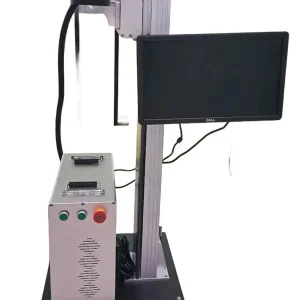
Modern laser marking is moving away from standalone stations. Smart factories require marking heads integrated with high-speed conveyor systems, driven by real-time Ethernet protocols, remote SDKs, and MES systems.
Compared to ink-jet coding methods that require toxic chemicals, laser systems provide clean, permanent traceabilities. They reduce consumables and lower overall energy footprints in high-throughput lines.
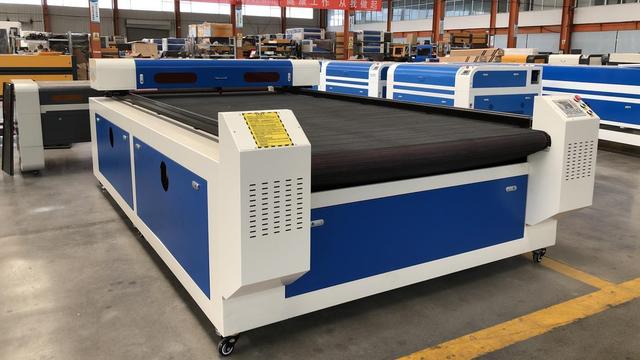
Global buyers require high-precision manufacturing partners who can scale from single prototypes to multi-unit rollouts. When sourcing industrial marking equipment, procurement managers prioritize three key criteria:
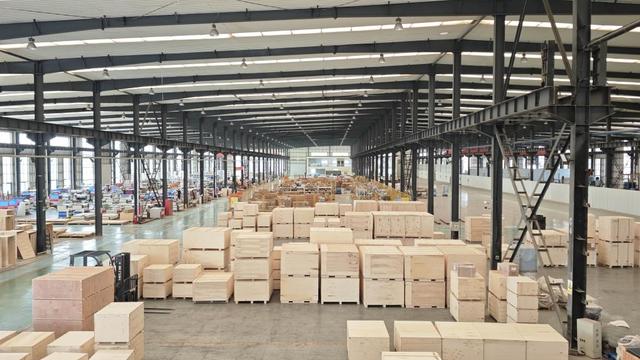
Located in Ningbo's advanced manufacturing cluster, we work with localized component suppliers to source high-grade optical fibers, precision chassis, and drivers quickly and efficiently.
Our systems feature a modular architecture, enabling rapid modification of housing footprints, optical paths, and mounting rails to meet unique customer specifications.
Every marking head undergoes 72 hours of continuous burn-in testing, power output stability analysis via power meters, and precise alignment calibration before shipment.
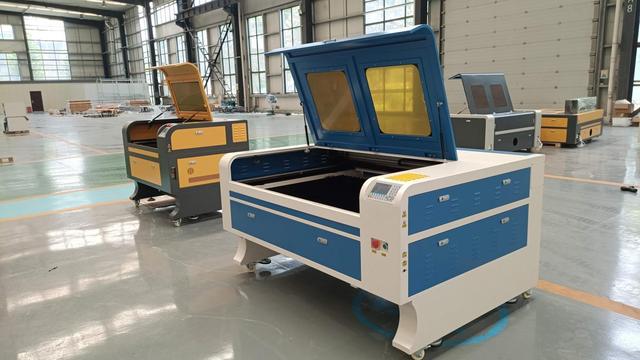
Our fiber marking systems apply permanent 2D data-matrix codes to cast iron, engine cylinders, and transmission components. These marks resist high heat, oil exposure, and abrasive wear over time.
By using 355nm UV cold laser systems, medical device manufacturers can mark surgical instruments and implants without changing their surface chemistry or compromising biocompatibility.
Rotary-equipped UV lasers etch high-contrast, fine logos and decorations onto cosmetics glassware and drinking glasses. This process prevents micro-fracturing and maintains material integrity.
 STYRL Laser