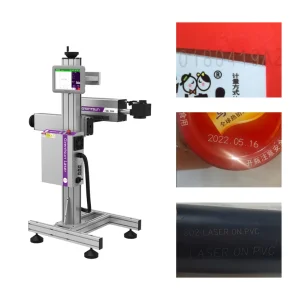
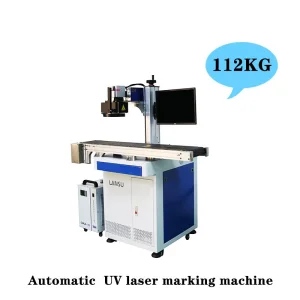
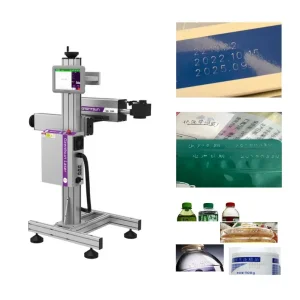
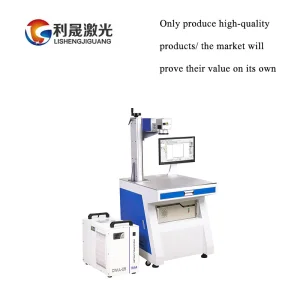
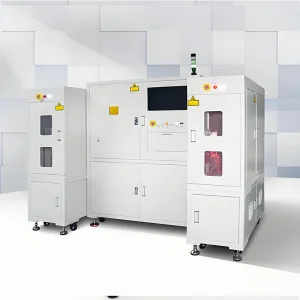
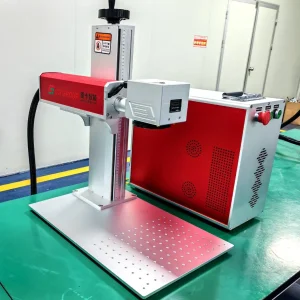
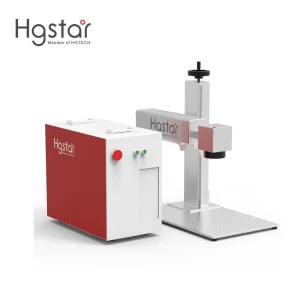
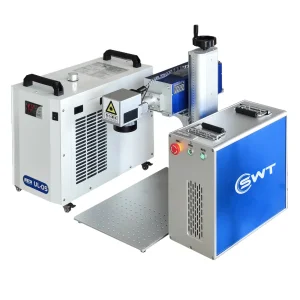
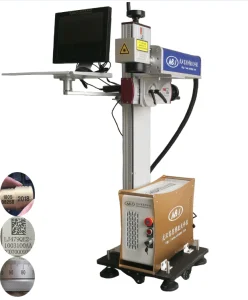
In the era of Industry 4.0, the demand for precision, miniaturization, and material integrity has catapulted UV (Ultraviolet) Laser Etching Machines to the forefront of high-end manufacturing. Unlike traditional CO2 or Fiber lasers that rely on "thermal processing," UV lasers utilize a 355nm short wavelength to perform "cold marking." This photochemical reaction breaks the molecular bonds of the material without generating heat, making it the gold standard for heat-sensitive materials like polymers, glass, and semiconductors.
The global UV laser market is projected to grow at a CAGR of 12.5% through 2030, driven by the explosive growth of the 5G electronics sector and the stringent traceability requirements in medical device manufacturing.
Modern UV systems integrate AI-assisted vision positioning and real-time power monitoring. This ensures sub-micron accuracy, critical for marking QR codes on microchips or flexible PCBs (FPC).
By reducing scrap rates in plastic and glass marking by up to 35%, UV lasers offer an immediate ROI for factories moving toward sustainable, zero-waste production lines.
Ningbo STYRL Laser Co., Ltd. and other leading Chinese exporters have redefined the global "Value-to-Performance" ratio. The competitive advantage of Chinese UV laser factories is no longer just about cost; it is about Agglomeration Economy and Rapid Iteration.
Understanding the "Why" behind the purchase. We solve specific pain points across diverse industries.
Tracing components on high-density PCBs requires marking without thermal damage to sensitive circuits. UV lasers provide the "Cold Marking" solution for micro-QR codes and serial numbers.
Marking surgical instruments and implants requires permanent, bio-compatible, and corrosion-resistant identifiers. UV lasers etch directly into the molecular structure for permanent durability.
Luxury glass bottles and pharmaceutical plastic containers need "No-Touch" marking. UV lasers deliver high-contrast, beautiful marks without the risk of glass fracturing or plastic melting.
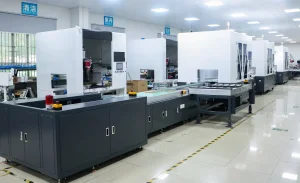
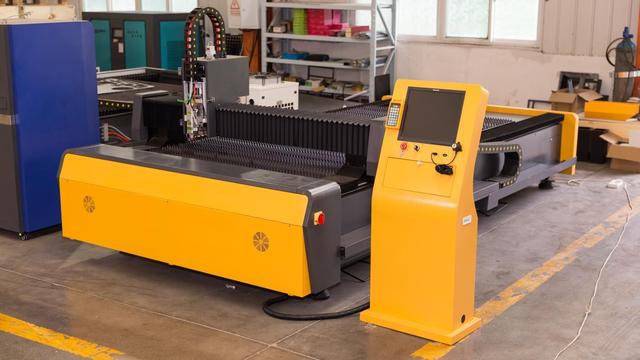
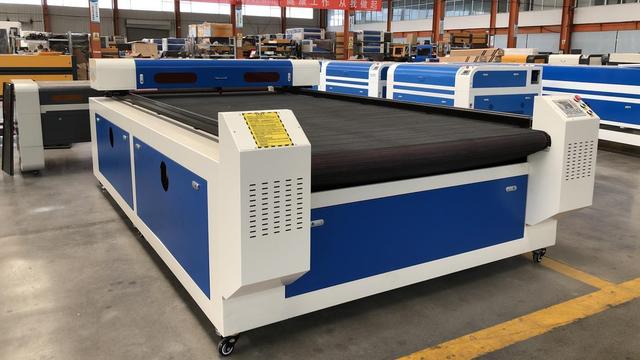
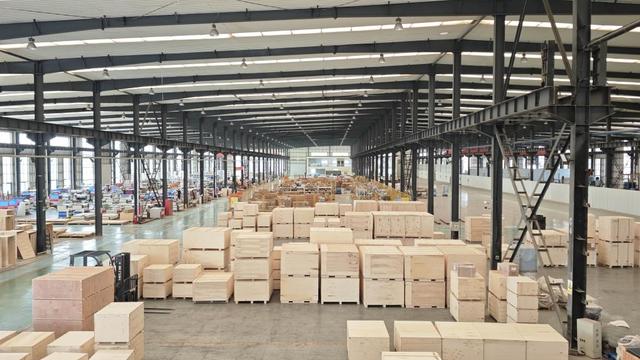
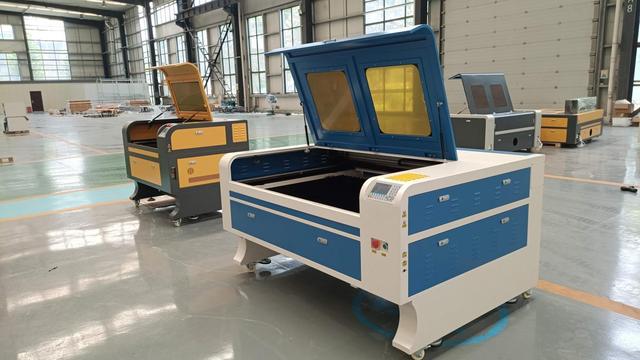
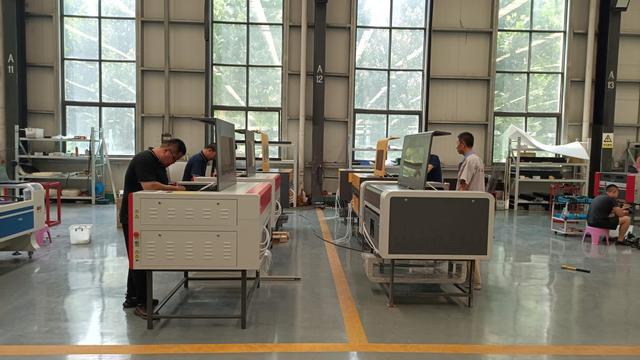
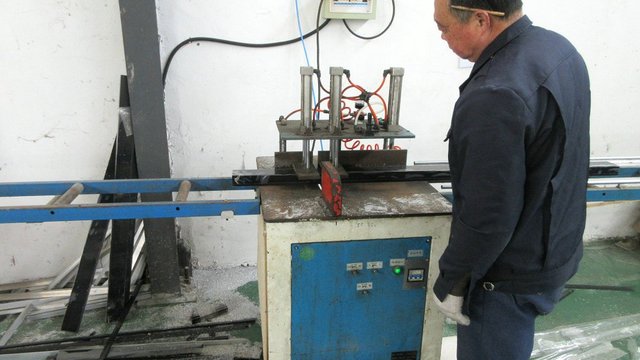
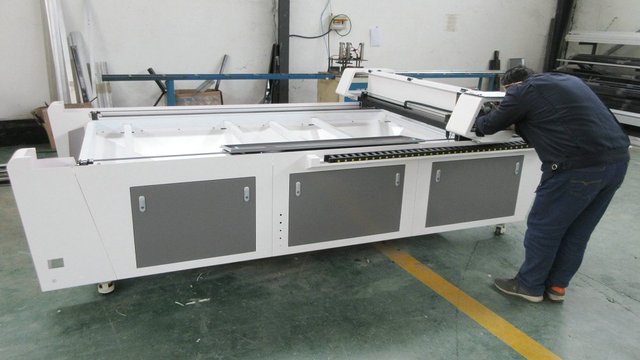
As a High-Tech Enterprise founded in 2014, Ningbo STYRL Laser Co., Ltd. has specialized in the transition from basic marking to Intelligent Industrial Coding. Our facility in Ningbo combines precision optical testing with automated assembly lines to produce systems that meet global standards.
Key Technical Milestones:
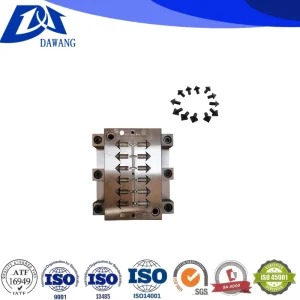
Our commitment to E-E-A-T is backed by tangible credentials:
"Quality is not just a department; it is the fundamental core of our optical engineering."
UV lasers eliminate the need for chemical inks and consumables, aligning with global ESG (Environmental, Social, and Governance) targets for clean production.
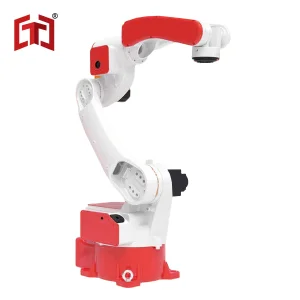
Integration with Cobots (Collaborative Robots) for dynamic, on-the-fly marking in flexible manufacturing cells is becoming the industry standard.
The shift toward even shorter pulse widths allows for "Cold Etching" at a molecular level with virtually zero heat-affected zone (HAZ), perfect for next-gen semiconductors.
For international buyers, selecting a UV laser supplier involves more than just comparing specs. Here is the framework for a high-value procurement decision:
Request factory video audits and proof of IATF 16949 or ISO certifications. Check for authentic "Information Gain" in their technical documentation.
The "Golden Sample" test. Send your most difficult materials (HDPE, thin-film glass) for marking tests to verify pulse stability and contrast.
Verify the availability of local spare parts or a modular design that allows for quick component replacement without returning the whole unit to China.
Ningbo STYRL Laser Co., Ltd. continues to serve customers across Europe, Southeast Asia, the Middle East, and South America. With a strong commitment to innovation, quality, and intelligent manufacturing, we are dedicated to advancing laser technology and providing reliable industrial laser marking and coding solutions for global customers.
 STYRL Laser