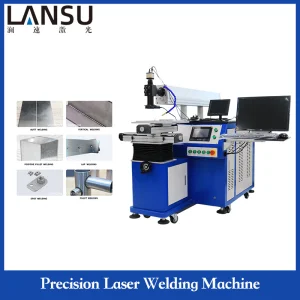
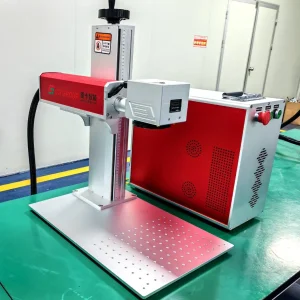
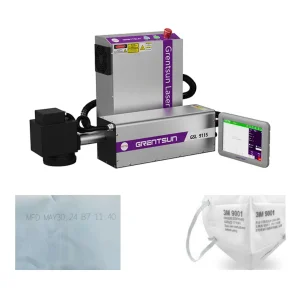
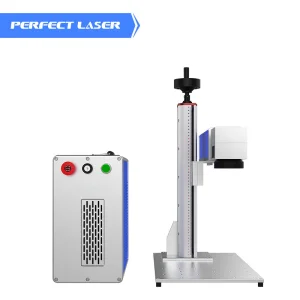
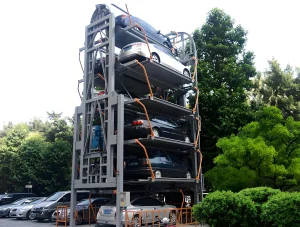
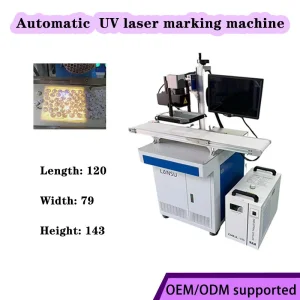
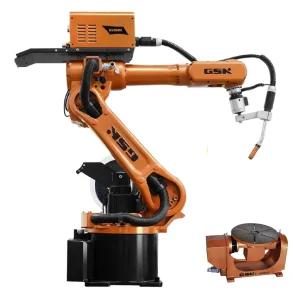
Discover our engineered selection of customizable fiber, UV, YAG laser systems, and complementary structural automation units optimized for extreme duty cycles.
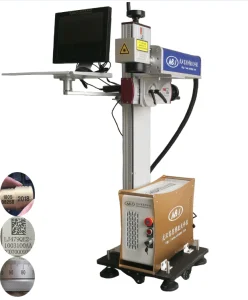
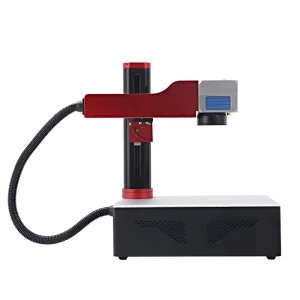
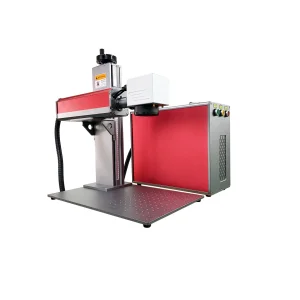
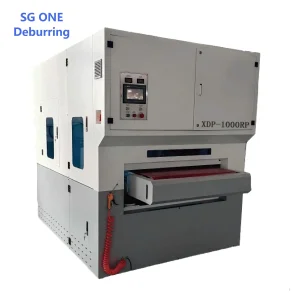
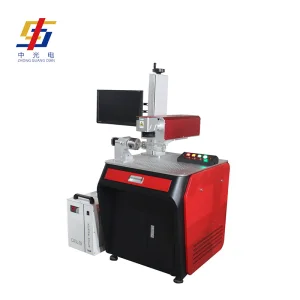
Founded in 2014 in Ningbo, China, Ningbo STYRL Laser Co., Ltd. has evolved from a specialized laser equipment integration workshop into a premier global designer and manufacturer of precision industrial systems. Our company specializes in laser processing technology, positioning ourselves as an authority in the Laser Marking Machine Manufacturer | Fiber Laser Engraving & Industrial Coding Solutions space.
With the rapid acceleration of global smart manufacturing and smart industry, we expanded our design core to address industrial fiber laser markers, high-resolution CO₂ systems, ultra-fine UV lasers, and multi-axis CNC automated YAG laser welding stations. By 2018, we unified our operations to span optical design, proprietary software design, custom mechanical fabrication, and high-performance system assembly.
Operating from our advanced manufacturing facility, we implement state-of-the-art optical alignment equipment, CNC grinding centers, and lean assembly lines. Our primary design objective is to supply mechanical stability, high-speed beam scanning, and extreme reliability under 24/7 manufacturing environments. STYRL Laser continues to serve as an OEM/ODM system builder of choice for industries across Europe, North America, Southeast Asia, the Middle East, and South America.
The global manufacturing landscape is undergoing a digital and mechanical transformation. Smart factories require components that are not only traceably marked but also fabricated with minimal environmental impact. The integration of Customized Laser Solutions is critical to achieving high efficiency, near-zero rejection rates, and seamless compatibility with Manufacturing Execution Systems (MES).
Regulatory frameworks, including the EU's Medical Device Regulation (MDR) and U.S. FDA requirements for Unique Device Identification (UDI), dictate permanent, high-contrast markings on medical and automotive parts. Custom fiber and UV laser markers from STYRL enable high-fidelity codes that survive sterilization, mechanical abrasion, and exposure to extreme conditions.
As electronics shrink, the demand for minimal heat-affected zones (HAZ) has driven the adoption of UV cold-laser systems and MOPA fiber lasers. These tools allow micro-engraving on delicate polymers and multi-layered PCBs without structural degradation or thermal warping.
Modern production lines do not tolerate mechanical bottlenecks. Laser systems must interface via industrial fieldbus protocols (Profinet, EtherCAT, Modbus) with automated robot arms and inline sensor configurations to execute real-time coding-on-the-fly and robotic joint welding without operator intervention.
To deliver the performance expected by tier-1 manufacturers, our engineering department designs systems with high-quality components, robust optical pathways, and industrial-grade software interfaces.
By integrating industry-standard laser sources, including Raycus and Maxphotonics MOPA variants, our marking systems deliver adjustable pulse durations (ranging from 2 ns to 350 ns). This precise control over pulse frequency and energy density allows for marking colors on stainless steel, deep engraving on tool steel, and high-speed ablation on anodized aluminum.
Our systems utilize digital galvo scanners with integrated temperature drift compensation and high-linearity optical encoders. This design ensures repeatability down to ±0.001 mm and linear marking speeds up to 12,000 mm/s, critical for integration into rapid production environments.
Equipped with Lansu Vision systems, our lasers feature high-resolution cameras that automatically correct for spatial misalignment. By executing real-time template matching algorithms, the system locates randomly oriented components on a conveyor and marks them with precise positional accuracy.
Every manufacturing hub has specific industrial demands, environmental constraints, and operator skill levels. We design our platforms with localized applications in mind, tailoring hardware configurations to meet regional needs.
Scenario: Marking tracking codes on die-cast engine blocks and aluminum structural housings.
Solution: 50W–100W high-power fiber laser systems equipped with rotary chuck enclosures to mark detailed 2D DataMatrix codes. They feature active fume extraction and sealed optoelectronic enclosures to resist workshop grease and dust.
Scenario: Precision welding of thin nickel tabs to copper busbars on automated cell-contact-system assembly lines.
Solution: Robotic arm laser welding systems equipped with high-energy YAG or fiber laser heads. Featuring active tracking and real-time melt pool feedback, these units prevent thermal runaways and deliver highly consistent joints.
Scenario: UDI marking on titanium orthopedic bone screws and stainless steel surgical implants.
Solution: Ultra-short pulse UV laser platforms. The 355nm wavelength induces a photochemical reaction rather than thermal degradation, ensuring corrosion-free markings that preserve the chemical integrity of passivated medical surfaces.
Industrial machinery must operate within strict safety and performance boundaries. STYRL Laser is committed to ensuring that every customized laser system meets the legal and regulatory requirements of the destination country.
Our systems comply with European CE directives (Machinery Directive 2006/42/EC, Low Voltage Directive 2014/35/EU, and EMC Directive 2014/30/EU). The laser enclosures conform to Class 1/Class 4 safety guidelines, featuring certified laser safety windows, dual-channel interlocks, and emergency stop circuits.
For the North American market, our electrical architectures conform to UL508A and NFPA 79 standards, while the optical components meet FDA CDRH requirements.
To help our clients future-proof their operations, STYRL Laser maintains a long-term research roadmap that integrates laser optics with advanced digital control technologies.
We are integrating neural networks into our vision-guided systems to enable real-time defect classification, automatic laser power correction based on material surface reflectivity, and automated calibration.
We are developing ultra-stable, high-power green and deep UV lasers to enable clean engraving on complex composite polymers and ultra-thin semiconductor substrates.
Our systems are migrating to OPC-UA architecture. This open interface allows STYRL laser markers and welding stations to communicate directly with standard SCADA and ERP databases for remote yield analysis.
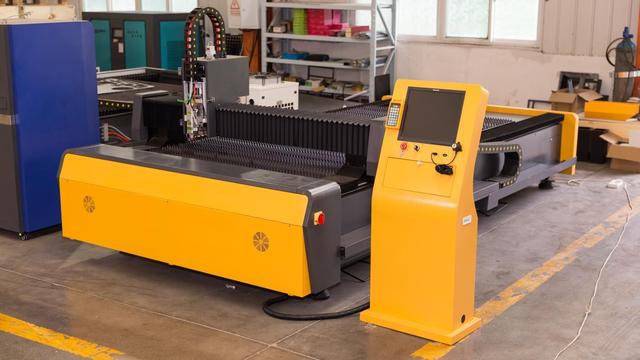
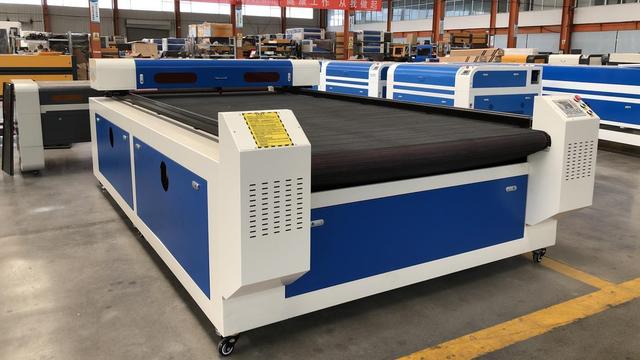
Explore our advanced range of UV coders, MOPA metal engravers, smart parking configurations, and integrated robotic welding solutions.
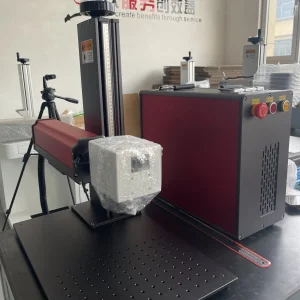
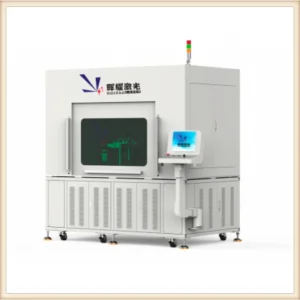
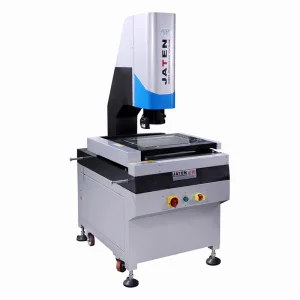
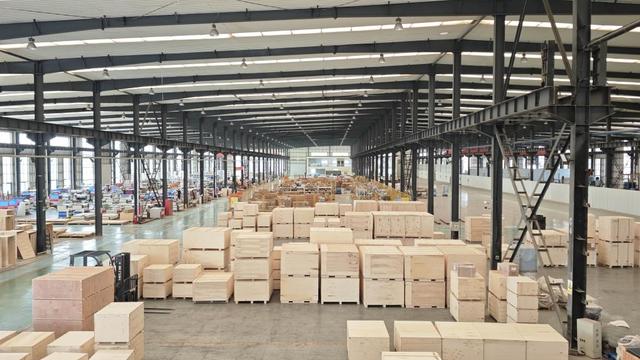
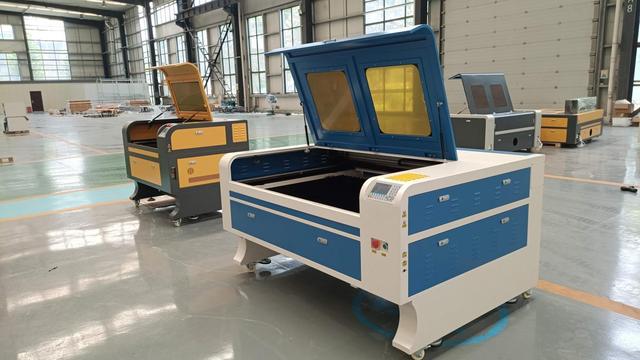
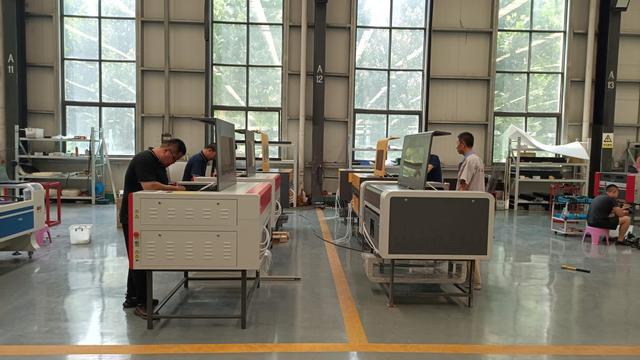
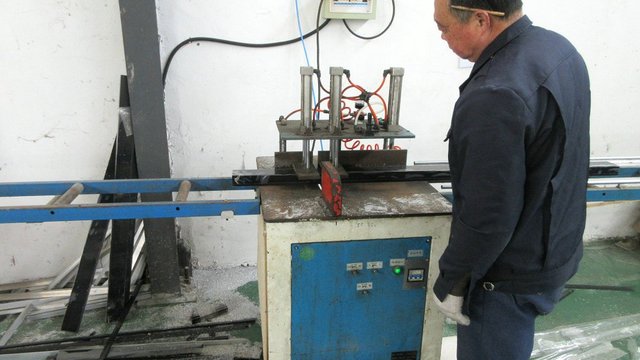
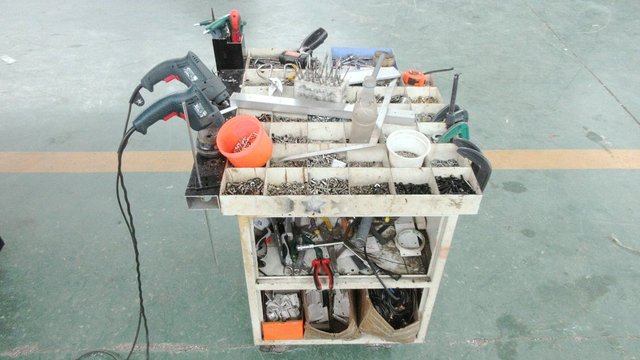
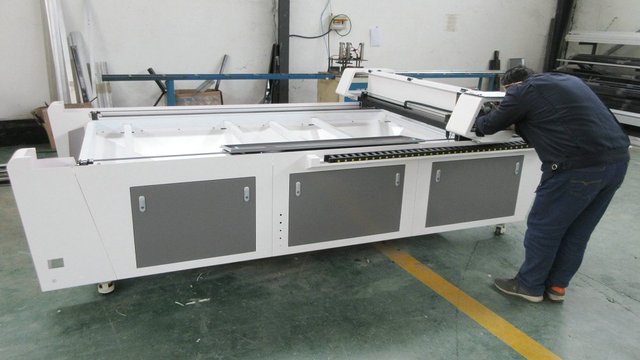
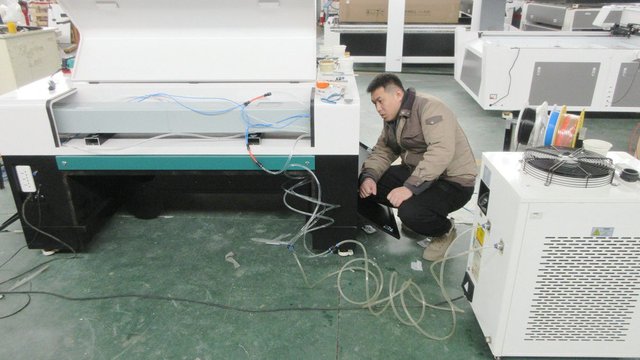
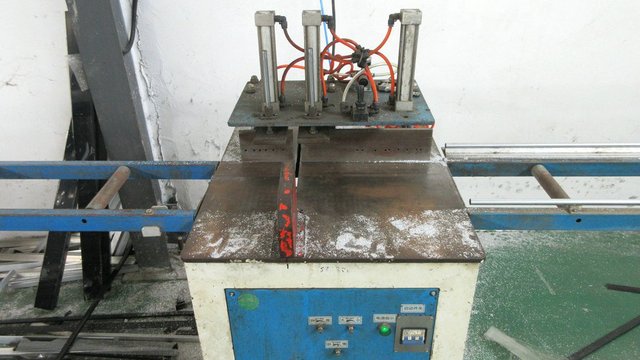
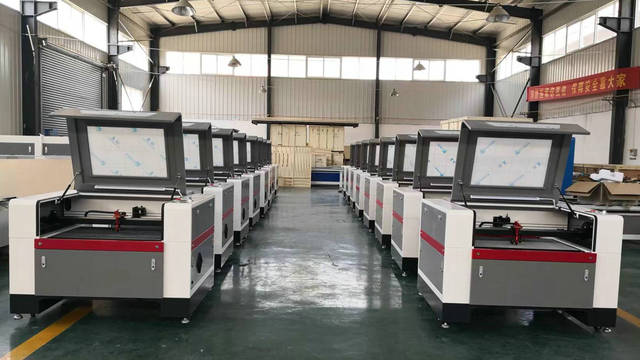
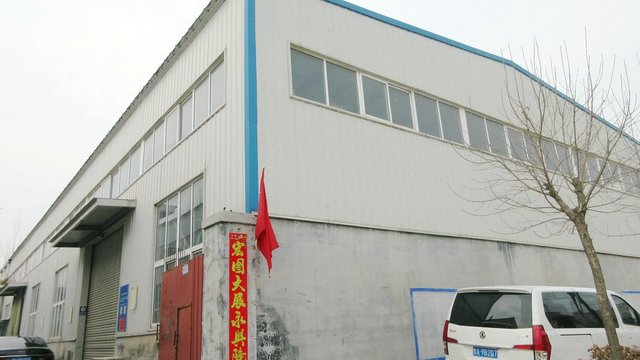
Take a closer look at our cleanrooms, precision alignment setups, and assembly facilities in Ningbo, China.
Expert answers to technical and operational queries regarding custom laser design, commissioning, and system capabilities.
 STYRL Laser