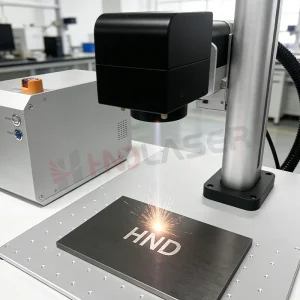
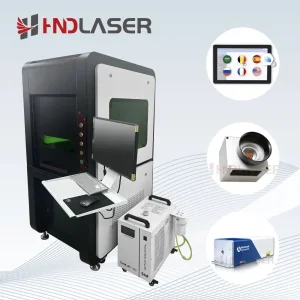
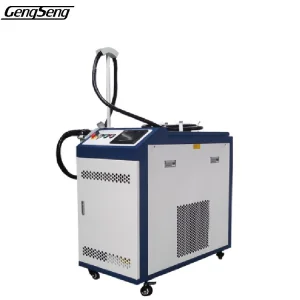
Explore our state-of-the-art fiber, CO₂, and UV laser equipment tailored for global manufacturing, high-speed automated lines, and precision material processing.
A premier high-tech enterprise driving transformation across global photonics, precision direct part marking (DPM), and automated industrial integration.
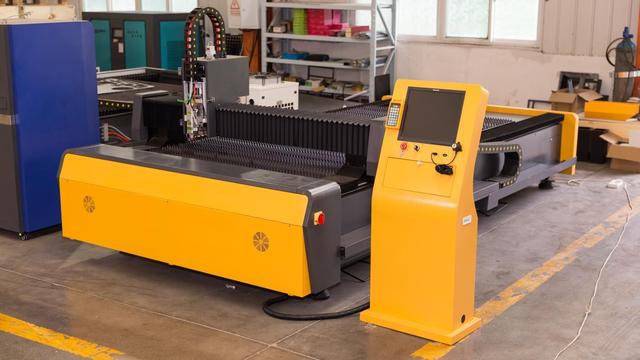
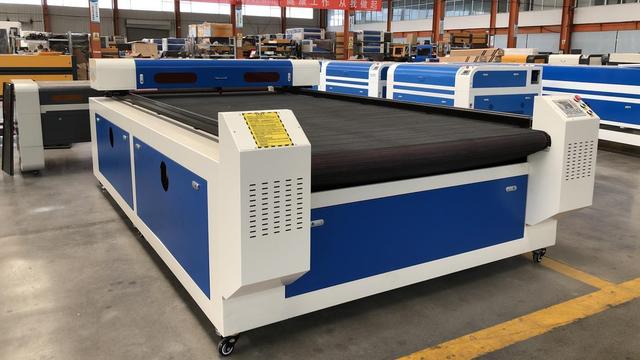
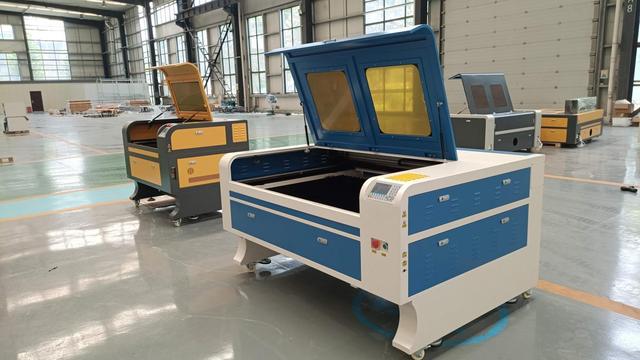
Ningbo STYRL Laser Co., Ltd. is a high-tech enterprise specializing in laser processing technology, positioned as a premier Laser Marking Machine Manufacturer | Fiber Laser Engraving & Industrial Coding Solutions provider. The company focuses on delivering high-precision, efficient, and stable laser systems widely used in electronics, automotive parts, metal fabrication, packaging, medical devices, and industrial manufacturing sectors.
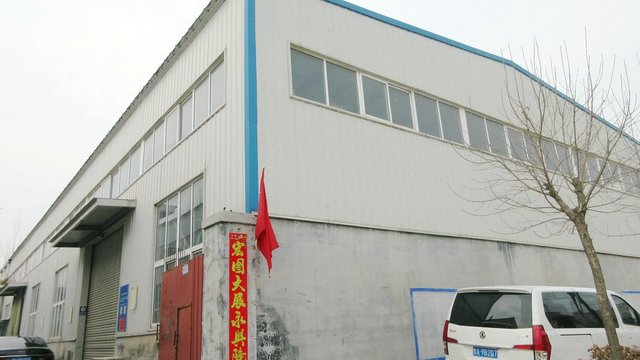
Founded in 2014 in Ningbo, China, STYRL Laser started as a small laser equipment integration workshop focusing on industrial marking applications. With the rapid development of smart manufacturing and industrial automation, the company expanded its product scope into fiber laser marking systems, CO₂ laser solutions, UV laser marking equipment, and advanced laser welding technologies. By 2018, STYRL had established a complete production and R&D system covering optical design, control software, and machine assembly.
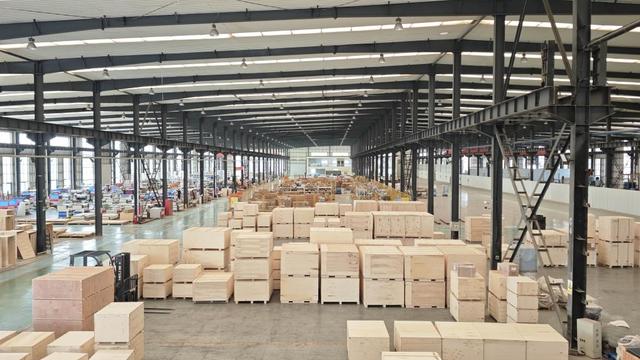
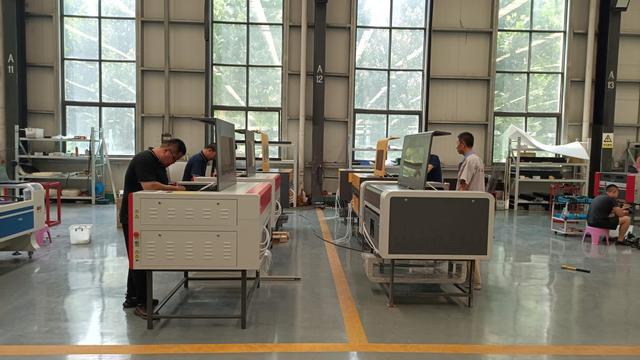
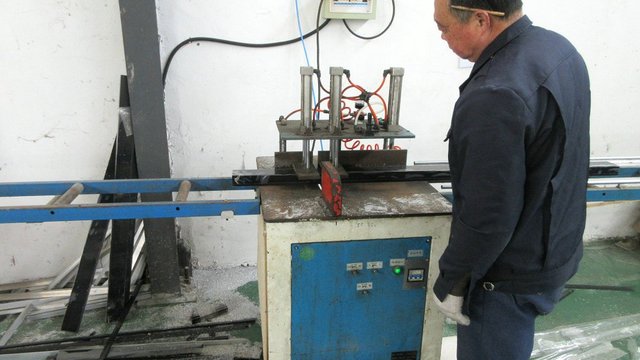
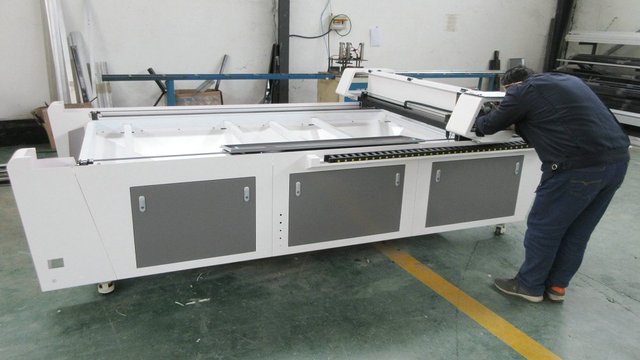
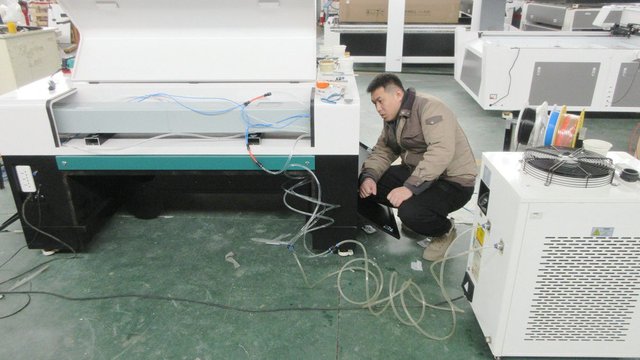
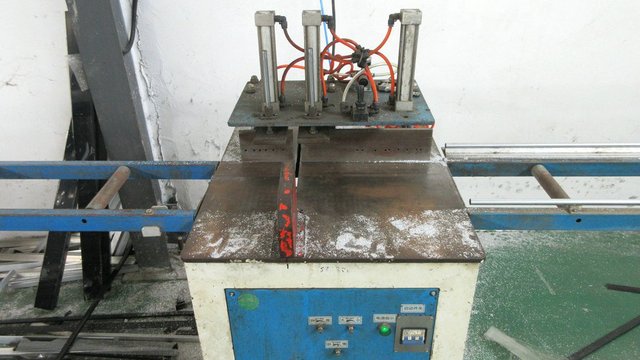
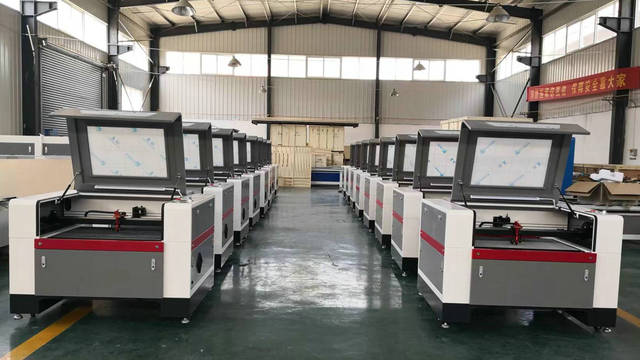
Today, the company operates modern manufacturing facilities equipped with precision optical testing systems, CNC machining centers, and automated assembly lines. Its laser solutions are designed for high-speed operation, deep engraving accuracy, and long-term industrial stability, meeting the strict requirements of global manufacturing industries.
Ningbo STYRL Laser Co., Ltd. continues to serve customers across Europe, Southeast Asia, the Middle East, and South America. With a strong commitment to innovation, quality, and intelligent manufacturing, the company is dedicated to advancing laser technology and providing reliable industrial laser marking and coding solutions for global customers.
Why leading global manufacturers transition from traditional continuous ink-jet (CIJ) to advanced direct part marking (DPM) fiber, UV, and CO₂ laser platforms.
Global regulatory bodies (FDA, EU MDR, ISO 13485) mandate permanent, non-tamperable micro-codes on medical instruments, defense components, and automotive powertrains. High-speed laser marking eliminates risk of solvent erasure, ensuring high-density DataMatrix 2D codes remain legible across the entire product lifecycle.
Modern ESG frameworks require companies to shrink chemical footprints. Transitioning from toxic CIJ inks and thermal transfer tapes to contactless photonics slashes operating costs by up to 70%, eradicating hazardous waste disposal and fluid replenishment downtime entirely.
Automated manufacturing demands real-time handshakes between MES, ERP systems, and marking hardware. STYRL’s laser platforms feature native TCP/IP, Ethernet/IP, and Profinet connectivity, dynamically rendering serials, barcodes, and variable batch codes on the fly at line speeds exceeding 18,000 mm/s.
| Technology Parameter | Continuous Inkjet (CIJ) | Thermal Transfer (TTO) | STYRL Fiber / UV / CO₂ Lasers |
|---|---|---|---|
| Consumable Costs | High (Solvents, Inks, Filters) | Medium (Ribbons, Thermal Heads) | Zero (Electricity Only) |
| Mark Permanence | Low (Fades, Soluble, Wearable) | Moderate (Smudges under heat) | Permanent (Surface Sublimation / Photothermal) |
| Maintenance Downtime | Frequent (Nozzle Clogging, Cleaning) | Moderate (Ribbon Snaps, Wear) | Near-Zero (Solid-state >100,000 hr MTBF) |
| Environmental Footprint | High VOC Emissions | Non-recyclable Ribbon Waste | Green Eco-Friendly Operation |
| 5-Year Total Cost of Ownership | Very High ($25,000+) | High ($18,000+) | Lowest TCO ($3,000 - $6,000 Capex Only) |
Matching material photon absorption curves with specialized fiber, ultraviolet, and carbon dioxide wavebands for optimized marking resolution.
Core Physics: Emits near-infrared radiation utilizing Ytterbium-doped optical fibers. Features extreme power density and exceptional M² beam quality (<1.3).
Primary Applications: Deep engraving, high-contrast black annealing on stainless steel, high-speed marking on aluminum, brass, titanium, and dense engineering polymers (ABS/PBT).
Core Physics: Employs Third Harmonic Generation (THG) to yield ultra-short 355nm ultraviolet wavelengths, breaking molecular bonds directly via "photo-ablation" without thermal damage.
Primary Applications: Sensitive PCBA components, silicone, micro-glass cutting, anti-counterfeit pharmaceutical caps, HDPE containers, and heat-sensitive flexible film packaging.
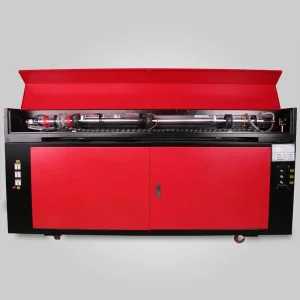
Core Physics: RF-excited gas discharge tube generating far-infrared energy optimized for non-metallic molecular absorption channels.
Primary Applications: Organic substrates including wood, leather, acrylic, glass bottles, PET beverage containers, cardboard cartons, and rubber seals.
Engineered integration frameworks connecting STYRL hardware with robotic cells, EV battery lines, and high-density electronic assembly lines.
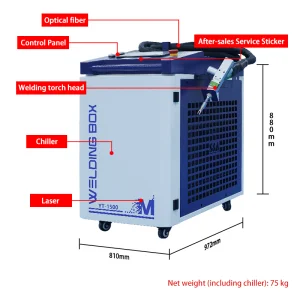
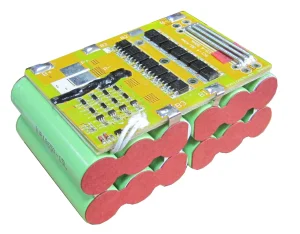
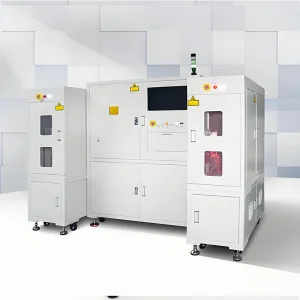
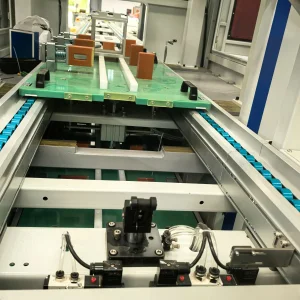
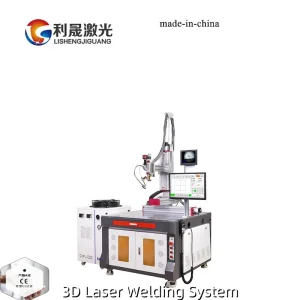
In modern EV manufacturing, structural integrity and serial tracking of lithium-ion cells (18650, 21700, blade battery packs) are vital. STYRL supplies customized laser welding equipment and automated high-speed fiber markers that engrave QR codes directly onto cell housings while performing real-time weld inspection.
With component pitch shrinking below millimeters, traditional mechanical pin marking or ink stamping damages delicate surface mount devices (SMD). STYRL’s 355nm UV systems provide 10-micron spot diameters, etching 0.5mm x 0.5mm DataMatrix codes onto PCB solder masks without micro-fracturing surrounding substrates.
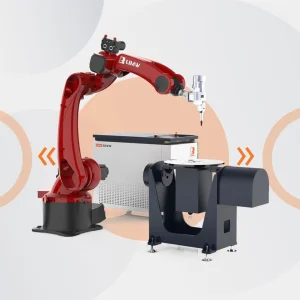
Complex 3D workpieces—such as curved exhaust manifolds or irregular metal stampings—require multi-axis flexibility. Integrating our 3D Dynamic Focusing Scanning Galvo with 6-Axis Articulated Robots enables constant focal length adjustment on non-planar topographies in real time.
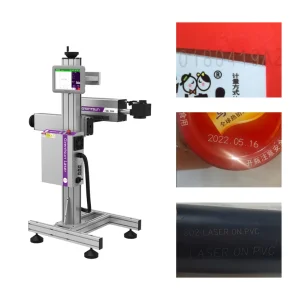
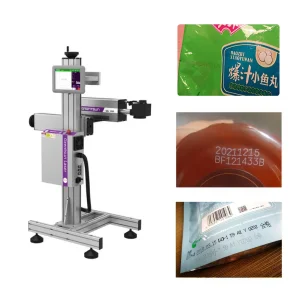
Flying marking setups require optical encoder sync to prevent text warping at high conveyor velocities. STYRL dynamic CO₂ and Fiber systems sync directly with conveyor speeds up to 300 meters per minute, printing date codes, batch numbers, and anti-channeling codes seamlessly.
Adhering to strict international optical safety, electromagnetic compatibility, and export quality controls for seamless cross-border deployment.
All STYRL laser workstations conform to European Machinery Directive 2006/42/EC, Low Voltage Directive 2014/35/EU, and US FDA CDRH Class IV standards. Integrated safety interlocks, protective optical glass windows, and dual-channel safety relays guarantee operator security.
From initial optical path alignment to 72-hour burn-in stress testing of laser power supplies, our Ningbo manufacturing hub adheres to rigorous ISO 9001 quality gates. Beam spatial distribution and M² beam quality are verified via advanced Profilometer instrumentation prior to shipment.
We provide localized technical assistance across Europe, North America, Southeast Asia, and South America. Quick-dispatch hubs guarantee replacement optical components, field lenses, and laser diodes arrive fast to ensure maximum uptime.
Expert technical clarity addressing direct part marking (DPM), optical source selection, automation connectivity, and factory customization options.
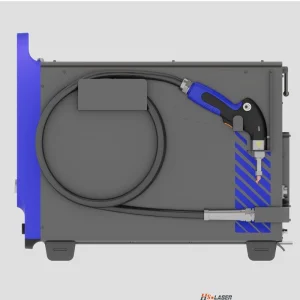
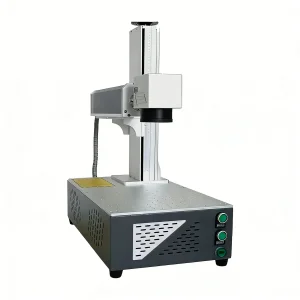
Browse our extended lineup of multi-axis CNC laser markers, portable deep engravers, multi-functional handheld laser welding platforms, and specialized battery manufacturing machinery.
 STYRL Laser