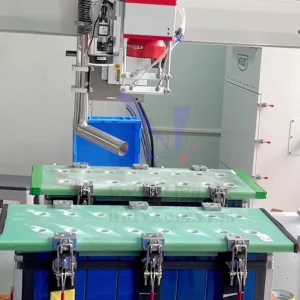
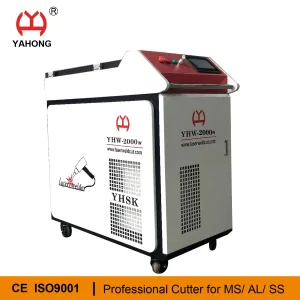
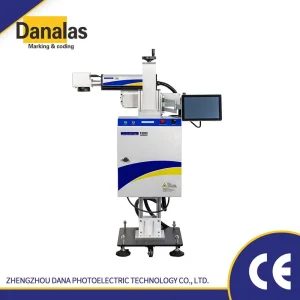
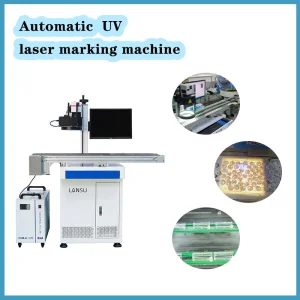
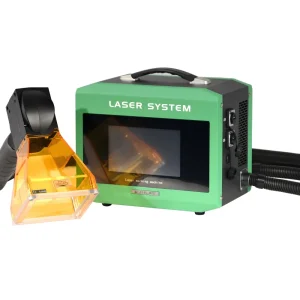
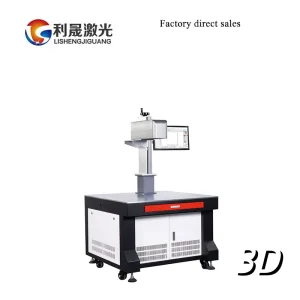
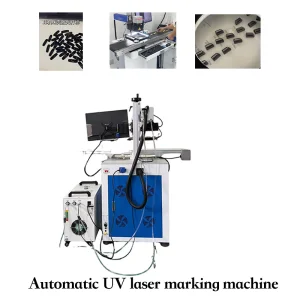
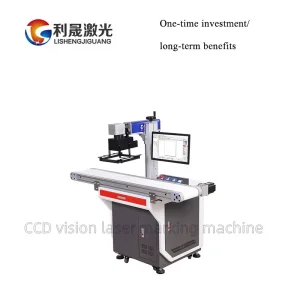
Explore our high-performance industrial laser equipment range configured for advanced applications
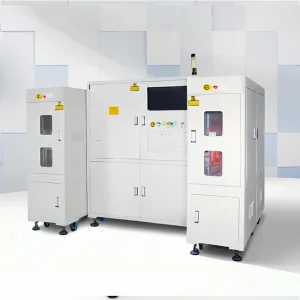
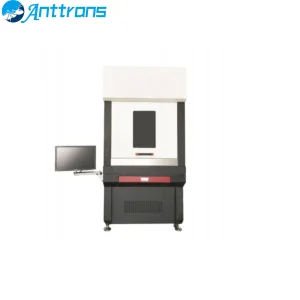
In modern industrial fabrication, the demands for miniaturization, extreme thermal sensitivity management, and high-density packaging have reached unprecedented heights. Traditional infrared (IR) and green laser systems, while effective for bulk material ablation and deep metal welding, often produce a significant Heat Affected Zone (HAZ). This thermal stress causes micro-cracking, delamination, and warping in ultra-thin polymers, delicate silicon wafers, and multi-layer flexible printed circuits (FPCs).
As a premier OEM/ODM UV Laser Processing Equipment Supplier and Exporter, Ningbo STYRL Laser Co., Ltd. addresses this paradigm shift. Utilizing 355nm ultraviolet wavelengths, our systems achieve material separation and surface structural modification through "Cold Photolytic Ablation." Instead of boiling or melting target materials, the high-energy UV photons directly sever molecular bonds. The result is an exceptionally clean cut, an ultra-fine marking profile, and zero thermal degradation of surrounding substrates.
Direct photochemical bond cleavage minimizes micro-cracking on brittle substrates, ensuring edge quality down to the single-micron scale.
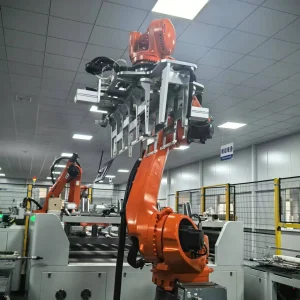
Complete custom solutions for software integration, proprietary optical paths, multi-axis mechanical assemblies, and production lines.
CCD visual alignment and real-time process monitoring ensure high accuracy and reliable yield rates for sub-millimeter electronic components.
Founded in 2014 in Ningbo, China, Ningbo STYRL Laser Co., Ltd. began as a dedicated industrial laser integration workshop, focusing on high-stability marking for manufacturing environments. Recognizing the rapid transition toward intelligent production and automated trace verification, we heavily invested in R&D. By 2018, STYRL built a comprehensive production structure encompassing mechanical assembly, optical configuration design, and self-developed control software.
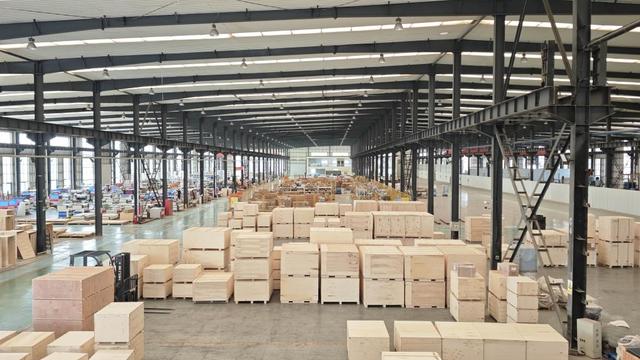
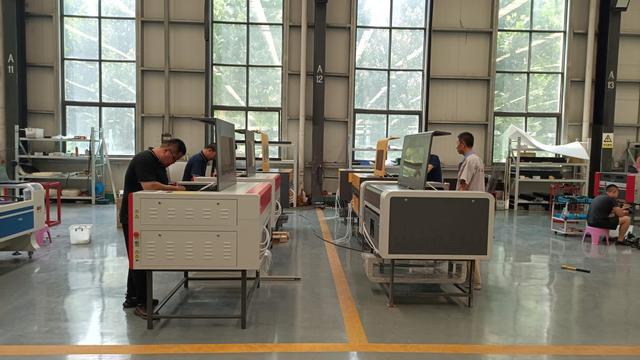
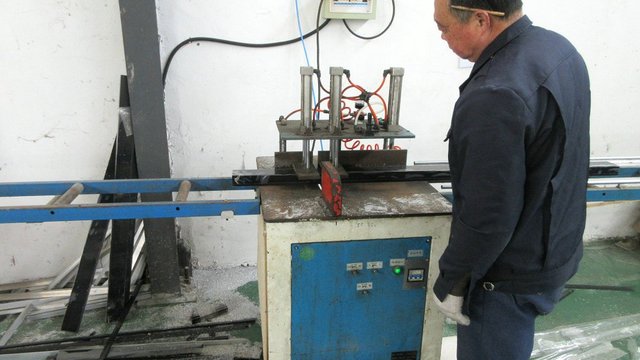
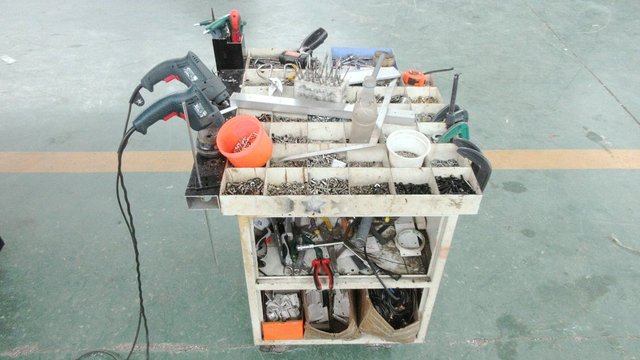
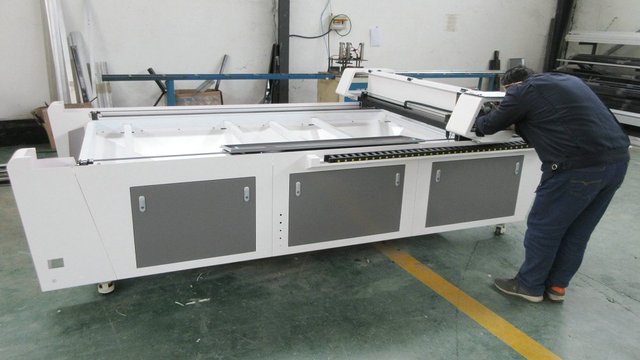
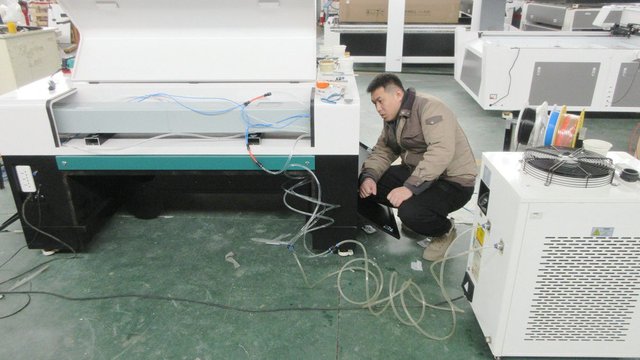
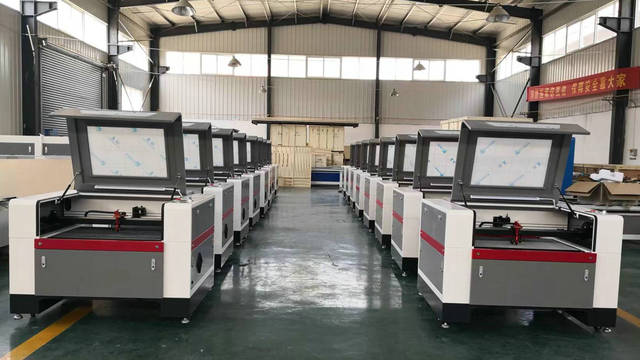
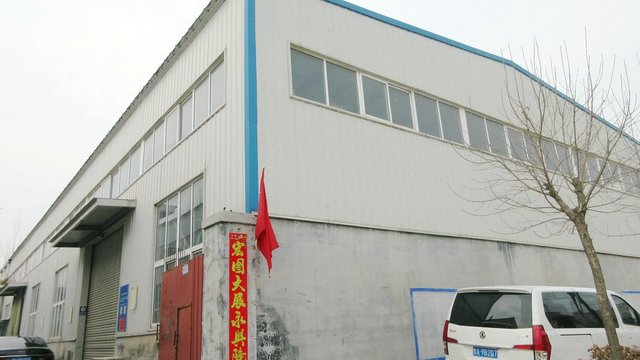
Today, we operate modern facility units containing automated CNC metal processing zones, dust-free optical assembly rooms, and strict Quality Assurance (QA) inspection lines. Our products are exported to key industrial hubs in Europe, the Americas, Southeast Asia, and the Middle East. Through decades of iteration, our hardware and software architectures are designed to meet stringent global standards, providing reliable, high-precision industrial systems that operate 24/7.
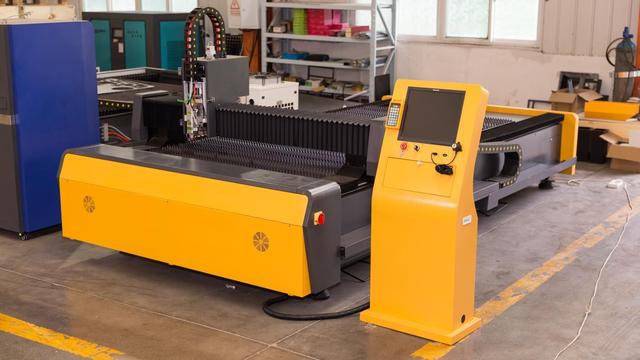
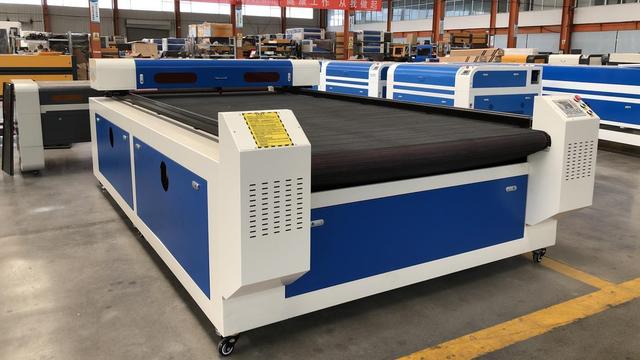
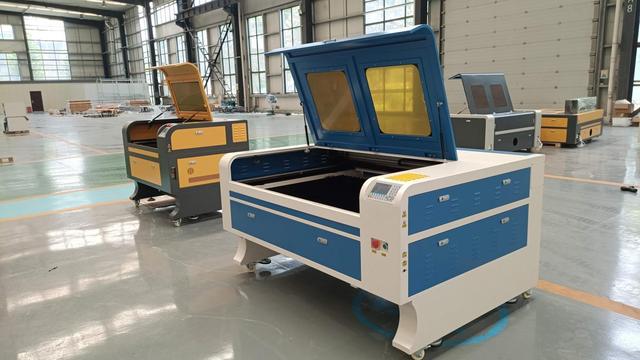
From sub-micron machining to hybrid femtosecond UV architectures
The physics behind ultraviolet processing centers on photon energy. A 355nm UV light source yields photons with approximately 3.5 eV of energy. This energy density is sufficient to directly break typical organic molecular bonds (such as C-C, C-H, and C-N) without generating intense kinetic vibrations that present as thermal energy. Consequently, substrates avoid common thermal issues: charred edges, raised molten lips, and thermal expansion stress.
Our current R&D roadmap is targeting three major directions:
Tailored processing systems for high-reliability manufacturing sectors
| Industry Sector | Critical Process Target | STYRL Integrated Technology | Key Advantage Delivered |
|---|---|---|---|
| Semiconductor & PCB | Micro-via drilling, flex board profiling, silicon wafer dicing. | High-Precision UV Systems with CCD Visual Alignment | Zero delamination, minimal carbonization, burr-free edges. |
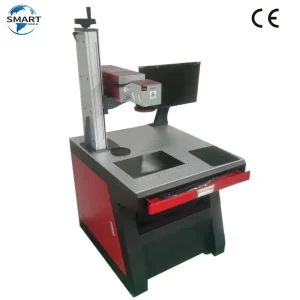
| Automotive Electronics | High-density connector marking, automotive sensor glass micro-etching. | 3W/5W/10W Galvo UV Laser Markers | Permanent high-contrast micro-codes, high vibration resistance. |
| E-Mobility (Battery packs) | Bus-bar welding, multi-layer lithium pouch tab joining. | Automated Laser Welding Pack Assembly Lines | Optimized thermal profiles to prevent separator breakdown. |
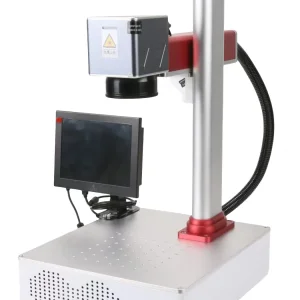
| Medical Devices | Catheter micro-marking, surgical steel engraving, drug deliver capsule drilling. | Cold Laser UV Processing Station | Biocompatible marking without micro-crevices for bacteria growth. |
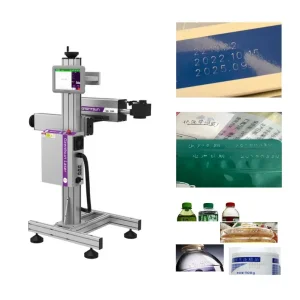
| Industrial Packaging | High-speed date coding on HDPE, PET, and multi-layer barriers. | Industrial UV/CO2 Laser Printers | Consumable-free, clean print that is scratch-resistant. |
Each vertical solution is engineered with a modular layout. For example, our Circuit Board Etching lines incorporate specialized optical scan heads combined with smart linear motor stages. This configuration allows clean cutting of thin FR4 substrates and high-density copper tracks down to 10μm line spaces without damaging the dielectric layers underneath.
Operating within Ningbo's industrial cluster allows STYRL Laser to integrate advanced materials, precision optical components, and structural mechanics into a streamlined ecosystem. This location provides access to key inputs, keeping lead times short and pricing competitive on customized designs.
Our manufacturing approach focuses on:
Importing high-precision industrial machinery requires meeting strict standards for safety, electrical compliance, and custom clearance documentation. Ningbo STYRL Laser provides full support for international shipments, offering:
Technical guidance from our senior engineering team to help you select the right solution
Heavy-duty, high-performance laser integration modules for demanding assembly processes
 STYRL Laser